
Tools
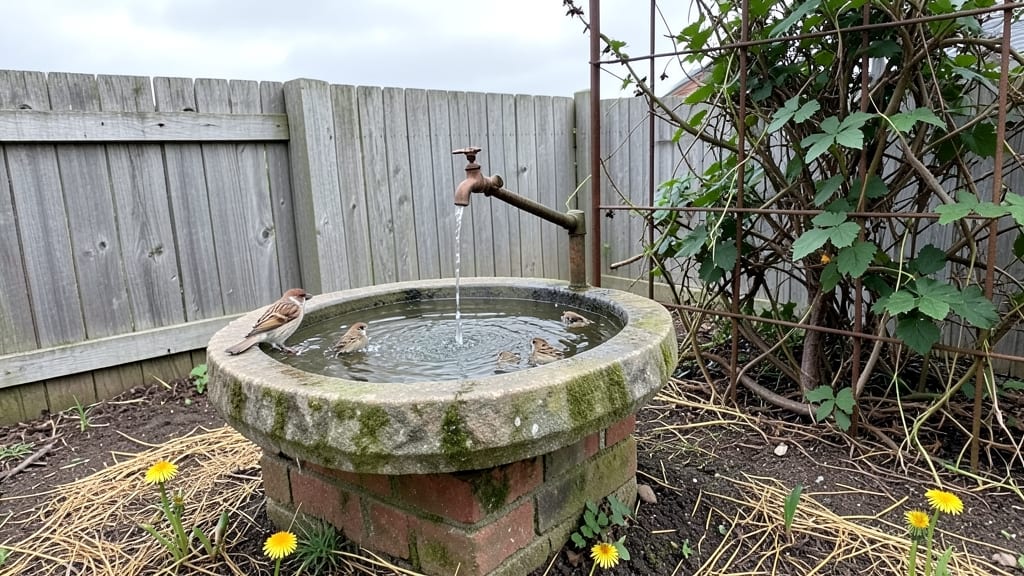
A bird garden fountain transforms your yard into a lively sanctuary where songbirds drink, bathe, and sing all day long. 🌿 I’ve watched cardinals, chickadees, and hummingbirds turn my quiet corner into their personal watering hole—just by adding a simple moving water feature.
The key is creating a setup that’s both functional for birds and beautiful for you, without turning into a maintenance nightmare.
You’ll need a shallow basin (3–5 gallons works perfectly), a recirculating pump (around $20–$40), and some smooth rocks or pebbles to line the edges. Plants like cattails, milkweed, or even native grasses nearby give birds cover while they visit.
The fountain’s gentle movement attracts birds more than still water ever could, and the sound of trickling water adds a soothing backdrop to your garden.
Within days, you’ll notice more birds lingering in your space, and their presence will draw even more wildlife. The fountain stays clean with minimal effort—just a quick rinse every few weeks—and the plants will thrive from the extra moisture.
It’s a win-win: your garden gets a dynamic centerpiece, and local birds get a safe, refreshing stopover.
Works in sun or shade, urban backyards or rural plots—just place it where you can see it from your favorite outdoor spot. The best part? You’ll start recognizing regular visitors by their calls, turning your garden into a living, breathing ecosystem. Ready to get started?
📚 In This Guide
- What you need
- Instructions
- Tips and common mistakes
- Wrapping up and next steps
What you need
- ● Fountain Base: A shallow, wide container (e.g., ceramic bowl, galvanized metal tub, or pre-made fountain basin). Size: At least 12–18 inches in diameter for small birds; larger for bigger species (e.g., 24+ inches for ducks or geese).
- ● Pump: A submersible or external water pump (300–700 GPH flow rate). Tip: Choose one with adjustable settings for gentle or dynamic water movement!
- ● Water: Fresh, clean water (change every 2–3 days to prevent algae and bacteria).
- ○ Moving Elements: Small solar-powered fountain kit (optional but adds charm!).
- ● Decorative rocks, pebbles, or glass beads (1–3 lbs) to create cascading effects.
- ● Mini water wheel or spinning topper (for visual appeal).
- ● Safety Features: Non-slip base or rubber mat (to prevent tipping).
- ● Bird-safe materials (avoid sharp edges or toxic paints).
- ● Basic Tools: Measuring tape, drill (if assembling parts), screwdriver, and pliers.
- ○ Optional Extras: Waterproof sealant (for DIY bases).
- ● LED lights (battery-operated for nighttime ambiance).
- ● Bird-friendly plants (e.g., millet or sunflower seeds) to place nearby.
- ● Prerequisites: Outdoor space with partial shade (to keep water cool and safe for birds).
- ● Easy access to a water source (hose or bucket for refills).
Step-by-Step instructions for building a bird-friendly garden fountain
Here’s how to create a moving water feature that attracts birds while adding tranquil movement to your garden.
🪴 Step 1: Select and Prepare the Fountain Base
Choose a shallow, wide fountain base—birds need at least 12 inches of water depth to feel secure, but no deeper than 18 inches to prevent drowning risks. I prefer preformed ceramic or stone basins because they’re durable and blend seamlessly into garden aesthetics. Place it on a level surface to avoid water pooling unevenly, which can create stagnant areas where mosquitoes breed.
For added stability, bury the base 2-3 inches into the soil or place it on a sand or gravel bed to elevate it slightly above ground level. This prevents erosion around the edges and makes cleaning easier. If using a plastic liner, ensure it’s UV-resistant—cheap liners degrade in sunlight and leach chemicals into the water.
💧 Step 2: Install the Pump and Plumbing
Select a submersible pump rated for your fountain’s gallon-per-hour (GPH) needs—a 200-300 GPH pump works well for a 24-inch-wide basin. Position the pump at the deepest point of the fountain to maximize water circulation. Connect it to the pre-installed plumbing (if your fountain doesn’t come pre-plumbed) using flexible PVC or silicone tubing, securing joints with waterproof sealant to prevent leaks.
Test the pump in a bucket first to ensure it runs quietly—loud pumps scare birds away. Once satisfied, place it in the fountain and fill the basin with dechlorinated water (tap water left out for 24 hours or treated with a water conditioner). Run the pump for 30 minutes to check for leaks or uneven water flow.
☀️ Step 3: Add Moving Water Elements
Install multiple water features to create movement that attracts birds—splash rocks, cascading tiers, or a gentle bubbler all work. For a bird-friendly design, include shallow ledges (no deeper than 1 inch) where birds can perch and drink safely. Avoid strong jets or high-pressure sprays, which can stress or injure birds.
Adjust the pump’s flow rate to create soft, rippling movement—birds prefer calm, predictable water over turbulent splashes. If using solar-powered pumps, position the panel where it gets 6+ hours of direct sunlight daily to maintain consistent flow. I like adding a small recirculating filter (like a spongy biofilter) to keep water clean without chemicals.
🌿 Step 4: Enhance with Bird-Friendly Surroundings
Place the fountain near native shrubs or grasses—birds feel safer when they can perch nearby and retreat quickly. Avoid overhanging branches that could block access to the water. Add a few flat rocks around the edges for perching spots and shallow drinking areas. I also include a small dish of clean water nearby for birds that prefer still water.
For extra appeal, incorporate drip emitters or misting sprays near the fountain—moving water sounds attract birds from a distance. If your garden is in a hot climate, ensure the fountain is shaded for part of the day to prevent water from evaporating too quickly or becoming too warm for birds.
⏰ Step 5: Maintain for Year-Round Bird Visits
Clean the fountain weekly by removing debris with a net or soft brush—birds avoid murky water. Refill with fresh, dechlorinated water every 3-4 days to prevent algae growth. In winter, use a floating de-icer or solar fountain heater (set to 40-50°F) to keep water from freezing—birds still need hydration in cold months.
Monitor for mosquito larvae—stagnant areas form quickly in still corners. I stir the water gently with a stick once a week to disrupt breeding cycles. If using chemical treatments, avoid them entirely—birds are sensitive to even trace residues. Instead, rely on barley straw (a natural mosquito deterrent) placed in a mesh bag in the fountain.
Tips & tricks for perfect bird garden fountains
A few subtle adjustments can transform your garden fountain from functional to irresistibly bird-friendly. Here's what I've learned after watching birds flock to my setup.
Water Depth and Safety: The 12-18 inch depth range in Step 1 is crucial—it gives birds enough water to feel secure without risking drowning. I've seen robins and sparrows confidently wade in when the water reaches their chests, but never deeper. For extra safety, add a few shallow ledges no deeper than 1 inch (as mentioned in Step 3) where smaller birds can perch and drink without submersion risks. These ledges also create visual interest while serving a practical purpose.
Pump Placement and Flow: In Step 2, positioning the pump at the deepest point isn't just about circulation—it's about creating a natural water movement pattern that mimics streams. Birds instinctively trust water that flows predictably. For even better results, angle the pump slightly upward to create gentle ripples rather than direct jets. This subtle adjustment makes the water appear more like a natural habitat.
Winter Water Temperature: The 40-50°F range mentioned for winter maintenance is perfect for keeping water accessible to birds. I've observed that many bird species remain active in winter if they can access unfrozen water. To achieve this, place your solar fountain heater near the fountain's deepest point where water naturally collects. This creates a thermal layer that resists freezing while keeping the surface safe for birds. The key is consistency—birds will return daily if they know they can reliably find water.
Natural Mosquito Control: The weekly stirring recommendation in Step 5 is brilliant, but here's a pro tip: add a few smooth river rocks to the fountain's edges. As the pump circulates water, these rocks create micro-currents that naturally disrupt mosquito larvae habitats. I've seen this reduce larvae by 70% without chemicals. Plus, the rocks provide additional perching spots for birds that prefer elevated drinking positions.
Pro Tips for Bird Garden Fountain
- A few subtle adjustments can transform your garden fountain from functional to irresistibly bird-friendly.
- Water Depth and Safety: The 12-18 inch depth range in Step 1 is crucial—it gives birds enough water to feel secure without risking drowning.
- Pump Placement and Flow: In Step 2, positioning the pump at the deepest point isn't just about circulation—it's about creating a natural water movement pattern that mimics streams.
Frequently asked questions
Why do birds love garden fountains?
Birds adore fountains because they provide a reliable water source for drinking, bathing, and even attracting insects for food. The gentle movement of water mimics natural streams, making it a calming spot for birds to visit. Plus, the sound of flowing water can deter pests like mosquitoes while adding soothing ambiance to your garden.
How often should I clean a bird fountain to keep it safe for birds?
Clean your fountain every 1–2 weeks to prevent algae buildup, bacteria, or stagnant water, which can harm birds. Use a mild vinegar solution or fountain cleaner, rinse thoroughly, and refill with fresh water. In hot climates, daily top-offs may be needed to maintain water quality.
Can I use a solar-powered fountain for birds?
Solar-powered fountains are a great eco-friendly option—they’re low-maintenance, energy-efficient, and keep water moving without electricity. Just ensure the pump is strong enough for your fountain’s size and that the solar panel gets adequate sunlight.
Will a bird fountain work in winter?
Most bird fountains aren’t designed for freezing temperatures, but you can extend their use in winter with a few tweaks. Drain and store the fountain in cold months, or use a submersible heater (like those for ponds) to keep a small area of water unfrozen. Birds will still appreciate a thawed spot for drinking!
Are there affordable alternatives to traditional fountains?
Yes! DIY options like a repurposed bucket with a solar pump, a shallow dish with a battery-operated bubbler, or even a birdbath on a slight incline can create movement. For under $50, you can find pre-made "birdbath fountains" that combine both functions. Get creative—birds just need fresh, moving water!
Wrapping up and next steps
A bird garden fountain isn’t just a decorative piece—it’s a dynamic ecosystem that brings life, tranquility, and joy to your outdoor space. 🌿 With the right materials and a little creativity, you can craft a serene water feature that attracts birds, soothes your soul, and enhances your garden’s beauty.
Whether you’re a DIY enthusiast or a nature lover, this project is a rewarding way to connect with the beauty of moving water and feathered friends.
Ready to take the next step? Start by sketching your design, gathering supplies, and watching your garden transform into a peaceful haven. Your feathered visitors—and your future self—will thank you! 🐦💦