
Tools
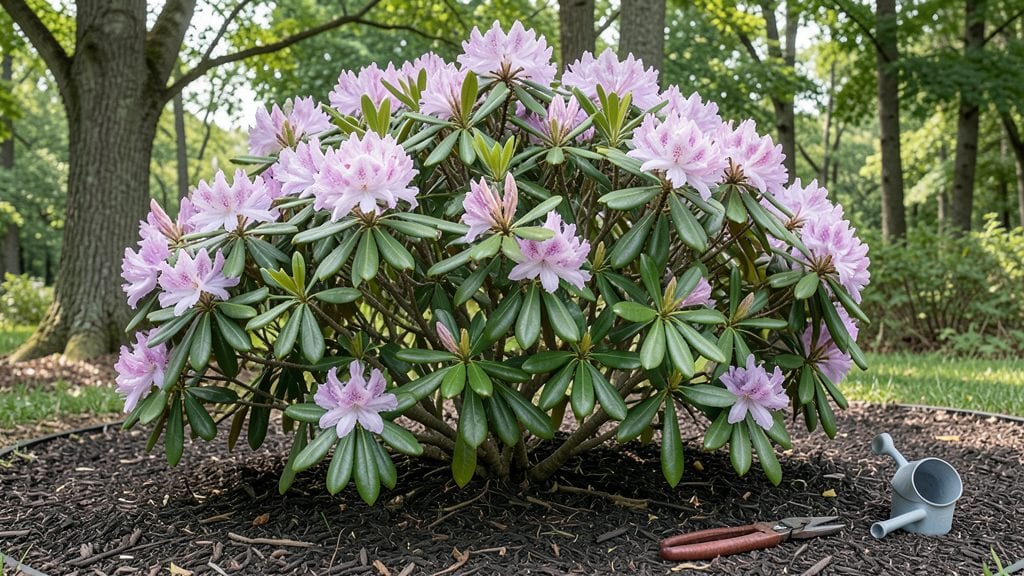
The AHS Garden Network offers free gardening resources—including expert articles, plant care guides, and localized growing advice—to help home gardeners build thriving gardens. Access these tools via their website, social media, and seasonal workshops for hands-on support.
The AHS Garden Network stands out because its resources are developed by horticulturists and tailored to specific regions, making them more reliable than generic guides. 🌱 Their plant care guides go beyond basic tips, offering science-backed solutions for common issues like pests or soil deficiencies.
I’ve used their seasonal planting calendars to align my garden’s schedule with local climate patterns, which has improved my harvests significantly.
Beyond written resources, the network’s interactive tools—like their plant disease identifier—let you diagnose problems in minutes. Their workshops often feature local experts who share hyper-specific advice, such as adjusting care techniques for microclimates. Whether you’re a beginner or a seasoned gardener, these free tools can save time and frustration.
💡 In This Article
- Exploring AHS Garden Network’s Free Plant Care Guides
- Maximizing AHS Garden Network Tools for Your Garden
Exploring AHS garden network’s free plant care guides
The AHS Garden Network’s plant care guides are built on horticultural science, blending research-backed techniques with practical gardening wisdom.
Their pruning guides, for example, explain how to cut at the right angles (just above a bud or lateral branch) to promote healthy regrowth, while also specifying tools like bypass pruners for clean cuts.
The guides even detail when to prune specific plants—like roses in late winter before new growth starts—based on their dormancy cycles. 🌿 This precision comes from collaboration with university extension programs and professional horticulturists.
What sets these guides apart is their regional customization. They map plant care to USDA hardiness zones and microclimates, like advising gardeners in Zone 7 to plant tomatoes 2-3 weeks later than those in Zone 9 due to frost risks.
Their pest control guides go beyond generic spray recommendations, explaining biological controls—like introducing ladybugs for aphids—while warning against overusing chemicals that harm pollinators. Sensory details, like describing the musty smell of overwatered basil, help gardeners identify issues early.
For seasonal planting, their guides use first-frost dates and last-frost averages to create hyper-local schedules. A tomato guide might specify planting 60 days before your area’s first frost (e.g., May 15 in Zone 5 vs. March 1 in Zone 10), with adjustments for heat-loving varieties.
This data-driven approach reduces trial-and-error, helping gardeners maximize yields. The guides also include soil pH adjustments, like adding lime to raise pH for blueberries, with exact measurements (e.g., 1 pound of lime per 100 square feet).
Trust in these resources stems from their peer-reviewed methodology. For instance, their disease diagnosis tool uses symptom databases cross-referenced with university research, like identifying powdery mildew by its white, talcum-powder-like coating on leaves.
The guides avoid vague advice, instead providing specific timelines (e.g., "Apply fungicide every 7-10 days until symptoms disappear") and environmental factors (e.g., "Increase airflow with spacing or trellises"). This level of detail is rare in free resources.
Advanced users appreciate the guides’ focus on sustainable practices, like composting techniques that break down materials at 140-160°F for 3-6 months, or mulching to retain 60-70% soil moisture.
The network’s workshops often dive deeper into these topics, offering hands-on demonstrations of techniques like sheet mulching or companion planting to deter pests naturally. For example, their marigold companion guide explains how these flowers release alpha-terthienyl, a compound toxic to nematodes.
One standout feature is their interactive plant selector, which filters by sunlight, water needs, and soil type. When you input your USDA zone and garden size, it suggests plants like drought-tolerant lavender for Zone 5-9 or heat-loving okra for Zone 8+.
The tool even estimates harvest windows, like 60-90 days for bush beans, making it easier to plan meals around fresh produce. 🌱