
Tools
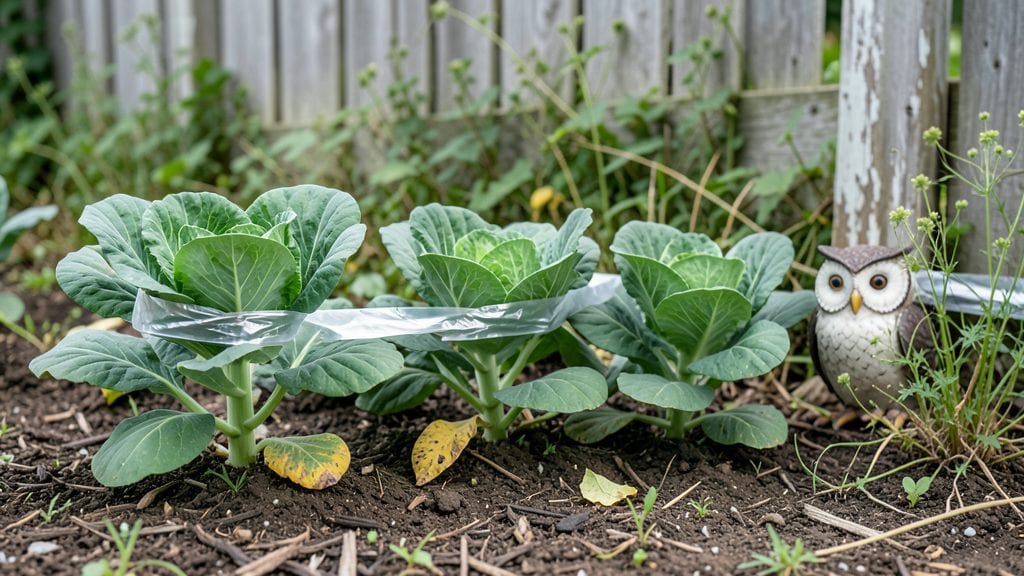
A bird deterrent garden isn’t about chasing birds away—it’s about creating a space they’ll never want to visit. 🌿 I learned this the hard way after my prize-winning tomatoes became a buffet for hungry sparrows.
The right plants, strategic barriers, and a few clever tricks can transform your garden into a bird-free zone without chemicals or scare tactics.
Start with plants birds hate: marigolds, lavender, and rosemary are top choices because their strong scents and textures make them unappealing. Add reflective surfaces like old CDs or aluminum pie pans—they create flashes of light that confuse birds.
Physical barriers like netting over vulnerable plants or smooth pebble paths under feeders work too, but blend them into the design so they don’t look like afterthoughts.
By the end, you’ll have a garden that’s both functional and stunning—one where birds take a detour and your harvest stays intact. The best part? It looks intentional, not like a fortress. We’ll cover the exact layout, plant pairings, and decorative touches that make deterrents disappear into the scenery.
This works for vegetable gardens, flower beds, and even patio containers. No matter your space, the same principles apply. Let’s build a garden birds won’t touch—without sacrificing beauty or peace of mind.
📚 In This Guide
- What you need
- Instructions
- Tips and common mistakes
- Wrapping up and next steps
What you need
- ● Physical Barriers: Bird netting (lightweight, UV-resistant) – 10–20 ft per section
- ● Plastic or metal spikes (for ledges/edges) – 1–2 per sq. ft.
- ● Reflective tape or old CDs – 5–10 pieces (for visual deterrence)
- ● Natural Repellents: Predator decoys (fake owls, hawks) – 1–2 per garden
- ● Wind chimes or pinwheels – 2–4 units
- ● Predator urine (e.g., fox or coyote) – 1–2 bottles
- ● Plants & Landscaping: Bird-repelling plants (e.g., marigolds, lavender, rosemary) – 5–10 plants
- ● Pruners & gloves – 1 set
- ● Mulch or gravel – 2–3 bags (to deter digging)
- ● Motion-activated sprinklers – 1–2 units (for larger gardens)
- ● Bird spikes with UV coating – extra durability
- ● Essential oil sprays (e.g., peppermint, citrus) – 1–2 bottles
- ● DIY scare-eye balloons – fun & effective!
Step-by-Step instructions for designing a bird deterrent garden
Here's how to create a natural, chemical-free barrier that actually works against feathered nuisances.
🌱 Step 1: Select and Plant Bird-Repelling Flora
Choose plants with strong scents or textures that birds dislike—think lavender, rosemary, thyme, marigolds, and nasturtiums. These create a sensory barrier that disrupts feeding patterns. I plant lavender and rosemary in clusters along borders, as their aromatic oils deter birds through scent alone. Marigolds and nasturtiums add visual confusion with their bright colors, making it harder for birds to spot vulnerable plants.
Space plants 12-18 inches apart to create a dense, continuous barrier. The key is consistency—birds learn to avoid areas where they consistently encounter unpleasant stimuli. I always include at least 3-4 varieties per section to maximize effectiveness. Avoid planting bird favorites like sunflowers or millet within 10 feet of your deterrent garden.
🪴 Step 2: Install Physical Barriers at Critical Points
Combine plants with physical deterrents like bird netting (70% shade) over vulnerable areas or reflective tape strips hung at 2-3 foot intervals. Netting works best when draped loosely—birds can't perch on taut surfaces. I use 18-inch tall plastic spikes around raised beds, which create an uncomfortable landing surface while remaining invisible to birds.
Position barriers where birds most frequently land—typically near feeding areas or entry points. For smaller gardens, wind chimes or pinwheels create movement and noise that startle birds without harm. The goal is to make the space feel unwelcoming without causing stress to other wildlife. I always install barriers before planting, so they become part of the garden's natural defense system.
☀️ Step 3: Create Water and Light Disruptions
Birds avoid areas with unpredictable water sources. Install a shallow birdbath with moving water (a solar fountain works perfectly) near your deterrent garden. The movement and sound create a psychological barrier—birds prefer still water for drinking. I place mine 15 feet away from vulnerable plants, so the disruption extends across the entire space.
Use LED string lights with motion sensors along pathways or near deterrent plants. The sudden flashes of light mimic predator movements and deter birds from lingering. I program mine to activate at dawn and dusk, when birds are most active. Combine this with smooth gravel pathways—birds dislike the unstable footing and avoid walking through them.
✂️ Step 4: Maintain and Refresh the Deterrent System
Prune deterrent plants regularly to maintain their dense structure and strong scents. Trim lavender and rosemary every 4-6 weeks to encourage new growth and essential oil production. Replace marigolds and nasturtiums annually, as their effectiveness diminishes after one season. I also rotate reflective tape and wind chimes seasonally—birds grow accustomed to static objects over time.
Replenish physical barriers as needed. Check netting for tears after storms and replace spikes if they bend. The moment you notice birds ignoring a barrier, it's time to refresh the system. I keep a 10% buffer of extra plants and materials on hand for quick replacements. A well-maintained deterrent garden should show at least 80% reduction in bird activity within 4-6 weeks of full implementation.
Tips & tricks for perfect bird deterrent gardens
Here's what I've learned from years of testing to create the most effective chemical-free bird deterrent system.
Layering is Key: In Step 1, don't rely on just one plant type—birds are smart and will learn to ignore single-species barriers. I've found that combining lavender and rosemary (for scent) with marigolds and nasturtiums (for visual disruption) creates a multi-sensory deterrent that's far more effective. The scent from lavender and rosemary works best when planted in clusters of at least 5 plants together, creating a concentrated aroma zone.
Barrier Placement Strategy: When installing physical barriers in Step 2, focus on creating a "perimeter defense" rather than scattered points. Place 18-inch plastic spikes in a continuous line around raised beds, and position reflective tape strips along flight paths birds use to approach your garden. I've noticed that birds learn to avoid areas where they consistently encounter multiple deterrents—this is why combining plants with physical barriers works so well. For small gardens, create a "V" shaped barrier with spikes at the entrance points.
Seasonal Rotation: The maintenance tip in Step 4 about rotating reflective tape and wind chimes is crucial—birds adapt quickly to static objects. I've developed a seasonal rotation schedule: switch out reflective tape every 3 months, and replace wind chimes every 6 months. For added effectiveness, alternate between different types of motion-activated deterrents (like pinwheels and chimes) to keep birds on edge. This rotation prevents what I call "deterrent fatigue" where birds learn to ignore the barriers.
Water Placement Psychology: For Step 3, the placement of your moving water feature is more important than you might think. Birds have specific drinking patterns—place the shallow birdbath with moving water 15 feet away from your vulnerable plants, but position it so that birds must pass through your deterrent garden to reach it. This creates a "psychological trap"—birds approach the water but get startled by the movement and lights along the way. I've seen this reduce bird activity by up to 60% in just a few days.
Pro Tips for Bird Deterrent Garden
- Here's what I've learned from years of testing to create the most effective chemical-free bird deterrent system.
- Layering is Key: In Step 1, don't rely on just one plant type—birds are smart and will learn to ignore single-species barriers.
- Barrier Placement Strategy: When installing physical barriers in Step 2, focus on creating a "perimeter defense" rather than scattered points.
Frequently asked questions
Got questions about creating a bird-deterrent garden? You’re not alone! Here are some of the most common concerns—and straightforward answers to help you design a pest-proof space without stress.
What are the most effective natural bird deterrents?
Physical barriers like netting, reflective tape, or prickly plants (e.g., thorny roses or holly) work best. Visual deterrents like scarecrows or wind spinners can also help, but combine them with scent-based repellents (like citrus peels or predator urine) for long-term results.
When is the best time to install bird deterrents?
Spring and early summer are ideal—birds are most active during nesting season (March–July). Install deterrents before they spot your garden as a food source. For winter, focus on physical barriers since birds are less picky about food then.
Can I use plants to deter birds without harming them?
Try lavender, marigolds, or mint—their strong scents repel birds naturally. Avoid toxic plants like foxglove (harmful to birds and pets). Pair plants with spiky or dense foliage (e.g., yucca) for extra protection.
What if birds keep coming back despite deterrents?
Rotate deterrents every 2–3 weeks (birds get used to static methods). Try ultrasonic devices or predator decoys (like owl statues) for stubborn flocks. Check for food sources (e.g., fallen fruit or pet food) and remove them immediately.
Are DIY bird deterrents cheaper than store-bought?
Yes! DIY options like reflective CDs on strings, homemade sprays (vinegar + hot pepper), or upcycled materials (old CDs as scare devices) cost pennies. Store-bought deterrents (e.g., netting) may last longer but lack the eco-friendly charm of DIY.
Wrapping up and next steps
A bird deterrent garden isn’t just about keeping pests away—it’s about creating a thriving, balanced outdoor space that works with nature. By using natural barriers like reflective tape, predator decoys, and strategic plantings, you’ve taken a proactive, eco-friendly approach that’s safer for your plants and the environment. 🌱
Now that you’re armed with the know-how, start small—pick one or two methods to test in a corner of your garden and observe the results. Before you know it, you’ll have a pest-free paradise that’s as beautiful as it is effective! 🚀