
Flowers
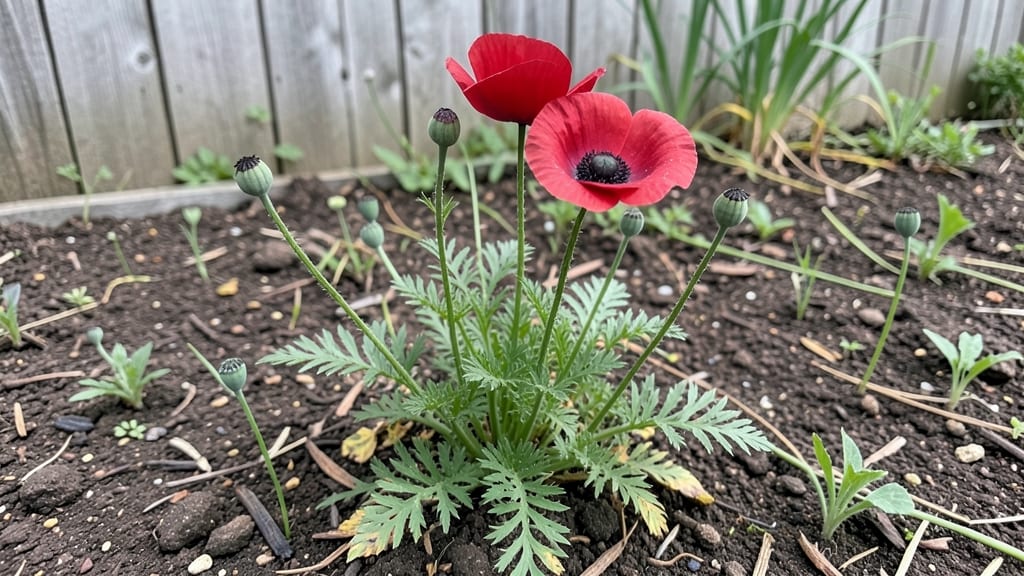
Designing a backyard poppy garden 🌸 is your fastest route to a burst of color that feels like a masterpiece with almost no effort.
Imagine waking up to a sea of fiery red, soft pink, or deep purple poppies swaying in your backyard—no fuss, no waiting months for blooms. These fast-growing annuals transform bare soil into a dreamy, low-maintenance paradise in just 60 days.
You don’t need a green thumb to pull this off. Poppies thrive in full sun and well-drained soil, making them perfect for even the busiest gardeners. Whether you’re a beginner or a seasoned pro, this guide will show you how to create a stunning display with minimal work.
Discover the best poppy varieties for your space, simple planting tips, and pro tricks to keep your garden vibrant all season. Let’s get those seeds in the ground and watch your backyard bloom!
How to plant a stunning backyard poppy garden in 4 simple steps
Creating a backyard poppy garden is one of the easiest ways to add vibrant color to your outdoor space with minimal effort. Unlike many plants that take months to bloom, poppies sprout quickly and reward you with stunning flowers in just 6-8 weeks.
The key to success lies in understanding their light requirements, soil preferences, and natural germination habits. With the right approach, you can enjoy a sea of red, pink, orange, or white blooms from spring through fall.
Poppies thrive in well-draining soil and full sun, making them perfect for sunny backyard corners or even container gardens. What makes them unique is their light-dependent germination—they need sunlight to sprout, so don’t bury the seeds!
This 4-step planting guide will walk you through everything from soil prep to spacing, ensuring your poppies grow into a low-maintenance, high-impact garden feature that you’ll love for years.
Choose Your Poppy Varieties
Select a mix of annual poppies for continuous blooms. California poppies (orange/yellow) thrive in dry climates, while corn poppies (red/white) add height. For delicate blooms, try Icelandic poppies (pink/purple). Each variety has unique heights and bloom times, so combine them for a season-long display.
Prepare the Soil
Poppies hate compacted or soggy soil. Loosen the top 6 inches of soil with a garden fork and mix in compost or sand to improve drainage. Avoid heavy fertilizers—they encourage leafy growth over flowers. A slightly alkaline soil (pH 6.0-7.5) works best. Test your soil and amend if needed.
Sow Seeds Directly Outdoors
Scatter seeds lightly on the soil surface—they need light to germinate! Space them 6-12 inches apart for dwarf varieties or 12-18 inches apart for taller types.
Press seeds gently into the soil (no deeper than 1/4 inch) and water lightly to settle them. Avoid covering with mulch, as it blocks light.
Water and Wait for Blooms
Keep soil moist but not soggy for the first 2-3 weeks until seedlings emerge. Once established, water deeply once a week—poppies are drought-tolerant once rooted. Deadhead spent blooms to encourage more flowers. With the right care, your poppies will bloom in 6-8 weeks and continue flowering until frost.
Timing is everything when planting poppies. For spring blooms, sow seeds 2-3 weeks before your last frost date (typically March-April in most regions). If you want fall color, plant again in late summer (August-September) for late-season blooms.
Poppies grow best in USDA zones 3-10, making them versatile for nearly any climate.
One of the best things about poppies is their self-seeding habit. If you let some seed pods mature, they’ll replant themselves next year, creating a natural, low-maintenance garden.
Just be mindful of where they sprout—poppies can spread! For a neat, controlled look, deadhead flowers before seeds form or thin seedlings in early spring.
For maximum impact, pair poppies with companion plants like lavender, salvia, or ornamental grasses. These plants share similar sun and soil needs while adding texture and height to your garden. Avoid planting poppies near heavy feeders like tomatoes or peppers, which compete for nutrients and can stunt their growth.
Remember, poppies are annuals, so you’ll need to replant them each year for the best results. But the effort is worth it—their bright, cheerful blooms will brighten up even the dullest corner of your yard.
With these 4 simple steps, you’ll have a stunning poppy garden that’s ready to impress in just a few months!
🌸
Best poppy varieties for a backyard garden: colors, heights, and blooming times
Creating a backyard poppy garden that blooms from spring to fall is easier than you think! The key lies in selecting the right annual poppy varieties—each brings unique colors, heights, and blooming times to extend your garden's vibrancy.
Whether you crave bold reds, delicate whites, or deep purples, there's a poppy perfect for your space.
For a continuous color show, mix California poppies (spring bloomers), corn poppies (summer favorites), and Icelandic poppies (fall-loving varieties). These sun-loving annuals thrive with minimal care, making them ideal for busy gardeners.
Let’s dive into their ideal growing conditions, sunlight needs, and how to combine them for a year-round spectacle!
California poppies are the spring stars of your garden, bursting into color as soon as the soil warms. Their bright oranges and yellows create a cheerful contrast against early greenery. Plant them in well-draining soil and give them full sun to encourage their fast growth—they’ll reward you with blooms in just 4–6 weeks!
For summer-long color, corn poppies are a must. These hardy annuals thrive in poor soil and drought conditions, making them perfect for low-maintenance gardens. Their bold reds and whites pair beautifully with purple salvias or blue flax.
Scatter seeds directly in your backyard garden after the last frost for a self-seeding spectacle!
When summer fades, Icelandic poppies take center stage with their delicate petals and cool-season blooms. These shorter varieties (6–12 inches) are ideal for rock gardens or container plantings. They love cooler temperatures and well-draining soil, making them perfect for fall planting in USDA zones 3–9.
To create a year-round poppy garden, interplant these varieties in staggered rows. Start with California poppies in early spring, follow with corn poppies in late spring, and finish with Icelandic poppies in early fall. This strategic planting ensures continuous blooms from March to November with minimal effort!
Pro tip: Deadhead spent blooms to encourage more flowers, but leave some seed pods for natural reseeding. Poppies are drought-tolerant, so water deeply once a week during dry spells. With these easy-care annuals, your backyard poppy garden will be the neighborhood’s envy!