
Tools
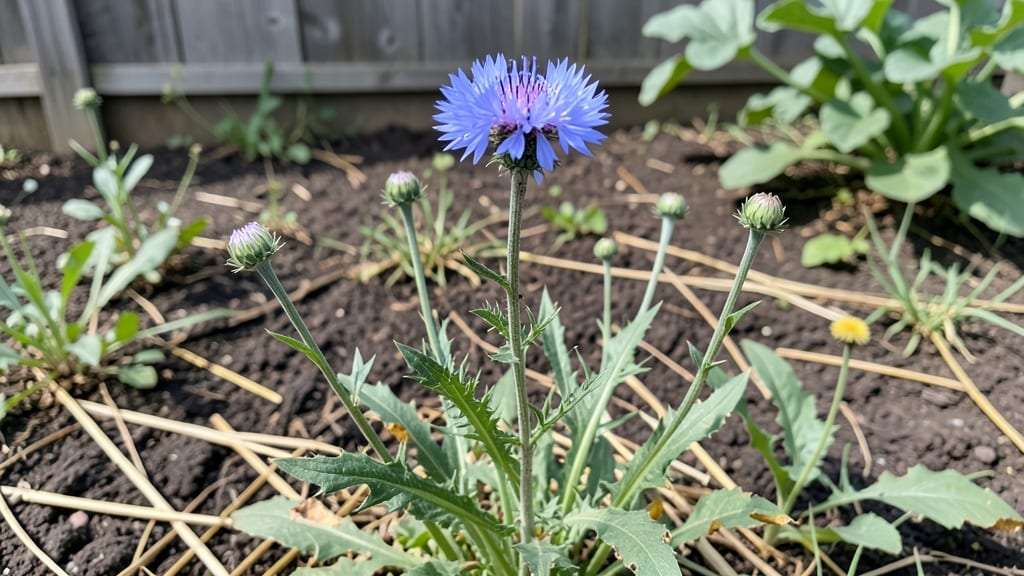
My garden transformed the moment I planted cornflowers in bold blue drifts along the back border. 🌻 They're more than just pretty—they turn any space into a magnet for butterflies while adding that effortless, wild charm that makes neighbors stop and stare.
The secret isn't just sticking them in the ground; it's how you group them, pair them, and let them shine against other colors.
Start by planting them in odd-numbered clusters of 5, 7, or 9 for natural-looking drifts that fill in beautifully over time. Pair their deep blue with silver foliage plants like lamb's ear or dusty miller, or let them pop against warm yellows and purples in cottage garden schemes.
They thrive in full sun and average soil, so they're perfect for borders, containers, or even meadow-style plantings where you want that relaxed, natural look.
What you'll end up with is a garden that feels alive with movement—those butterflies hovering just above the blooms, the way the flowers nod in the breeze, and how they keep producing fresh blooms from early summer through fall.
The best part? They self-seed reliably, so once established, they'll come back year after year with minimal effort on your part.
Works beautifully in formal cottage gardens, rustic wildflower meadows, or even modern containers where you want that unexpected pop of color. Here's how to make them the star of your design without any fuss.
📚 In This Guide
- What you need
- Instructions
- Tips and common mistakes
- Wrapping up and next steps
What you need
- ● Cornflower seeds: Choose from varieties like Centaurea cyanus (classic blue) or Black Ball (deep purple). Buy 1–2 packets (50–100 seeds each) for a small garden or 3–4 packets for full coverage.
- ● Well-draining soil: Cornflowers thrive in loamy, slightly alkaline soil (pH 6.0–7.5). Amend heavy clay with compost or sand if needed.
- ● Sunlight: A full-sun location (6+ hours of direct sunlight daily) is a must for vibrant blooms.
- ● Watering can or hose: With a gentle spray nozzle to avoid disturbing seeds.
- ● Garden trowel or hand shovel for digging planting holes (6–12 inches deep, depending on seed size).
- ● Rake or hoe to loosen soil and create a fine seedbed.
- ○ Gloves (optional but recommended for comfort).
- ● Plant labels & markers (if saving seeds or tracking varieties).
- ● Mulch (straw or shredded bark) to retain moisture and suppress weeds.
- ● Butterfly-friendly companion plants: Add marigolds, lavender, or cosmos to extend the pollinator party!
- ● Egg cartons or biodegradable pots for starting seeds indoors (4–6 weeks before last frost).
- ● Slow-release fertilizer (5-10-5 NPK ratio) for nutrient-boosting (sprinkle lightly at planting time).
How to plant and grow cornflowers for stunning blue blooms
Here's the straightforward method I use to get cornflowers thriving in any sunny garden spot.
🌱 Step 1: Choose the Perfect Planting Location
Cornflowers crave full sun—at least 6-8 hours daily. I always pick the sunniest, most open spot in my garden because these plants grow 2-3 feet tall and need room to spread. Avoid areas with afternoon shade, which causes weak stems and fewer blooms.
Test your spot by observing how much light it gets. If nearby plants are leggy or pale, that's a sign they're not getting enough sun. Cornflowers will tell you too—if they stretch upward with sparse blooms, move them to sunnier ground. Well-drained soil is critical, so if your garden holds water, amend with compost before planting.
🌱 Step 2: Prepare the Soil and Plant Seeds
Loosen the soil to a depth of 6 inches with a garden fork or tiller. Cornflowers don't need rich soil, but they do prefer soil that's not too heavy. If your garden soil is clay-based, mix in 2 inches of compost to improve drainage and fertility.
Sow seeds ¼ inch deep and 12 inches apart in rows 18 inches apart. I like to plant them in early spring, about 2-3 weeks before the last frost date, or directly in the fall for a late-summer display. Press seeds gently into the soil—don't cover them too deeply, or they won't germinate. Water lightly after planting to settle the soil around the seeds.
💧 Step 3: Water and Maintain for Healthy Growth
Keep the soil evenly moist but not soggy during germination, which takes 10-14 days. Once seedlings emerge, water at the base of the plants to avoid wetting the leaves, which can lead to fungal issues. I water once a week during dry spells, but cornflowers are drought-tolerant once established, so don't overwater.
Thin seedlings to 12 inches apart when they're 2-3 inches tall. This prevents overcrowding and ensures each plant gets enough nutrients and light. You'll know they're ready to thin when you can see the true leaves—those are the ones that matter for future blooms.
☀️ Step 4: Encourage Blooms and Support Tall Stems
Cornflowers need full sun to produce their signature blue blooms. If you notice the stems stretching or leaning, it's a sign they need more light. You'll see the best blooms when plants receive at least 6 hours of direct sunlight daily.
Stake tall stems if needed, especially in windy areas. I use 6-inch stakes inserted gently beside the plants when they reach 12 inches tall. This prevents them from flopping over and keeps the blooms upright for easy viewing. Deadhead spent blooms to encourage more flowers and prolong the blooming season, which typically lasts from mid-summer to fall.
✂️ Step 5: Harvest and Enjoy the Beauty
Cut flowers for bouquets when the buds are just starting to open. This encourages the plant to produce more blooms. I like to harvest in the early morning when the flowers are fully hydrated. Leave some blooms on the plant to attract butterflies and other pollinators—cornflowers are a magnet for these beneficial insects.
After the first frost, cut back the plants to 2 inches above the ground. This keeps the garden tidy and allows for new growth in the following season. Cornflowers are self-seeding, so you'll likely see new plants popping up in the spring without any effort on your part.
Tips & tricks for perfect cornflower planting
Here's what I've learned from years of growing these cheerful blue beauties—simple secrets that make all the difference for vibrant cornflowers that thrive.
Sunlight Secret: That 6-8 hours of daily sun is non-negotiable for those signature blue blooms. I've noticed that even just an hour less sunlight can result in paler flowers and fewer blooms. If your garden spot gets afternoon shade, consider planting cornflowers near the north side of structures where they'll still get morning sun. And here's a trick: if you notice your cornflowers stretching upward with sparse blooms, they're telling you they need more light—move them to a sunnier location as soon as possible.
Soil Prep Strategy: The 6-inch soil depth you loosen is perfect for cornflower roots, but don't overlook the importance of drainage. I always do a quick water test before planting: if water pools on the surface after 30 minutes, you need to amend with compost. For clay soil, mix in that 2 inches of compost thoroughly—cornflowers hate soggy feet. A little extra compost never hurts, even if your soil seems fine, as it provides nutrients for those tall stems to support their own weight.
Planting Precision: Those ¼-inch deep seeds might seem shallow, but planting too deep is a common mistake that prevents germination. I use my finger to make a small furrow just deep enough to cover the tiny seeds, then gently pat the soil around them. For spacing, I mark out 12-inch intervals with small stakes before planting to ensure proper airflow. This prevents fungal issues and gives each plant room to grow those sturdy 2-3 foot stems without competing for nutrients.
Maintenance Shortcuts: The 10-14 day germination window can feel like forever, but resist the urge to water daily—cornflower seeds need moisture to germinate but can rot if overwatered. Once established, I've found that mulching around the base with straw helps retain moisture while preventing weeds. And for deadheading, I simply pinch off spent blooms with my fingers while wearing gloves—no special tools needed! This encourages continuous blooming from mid-summer straight through fall.
Pro Tips for Cornflowers In Garden
- Here's what I've learned from years of growing these cheerful blue beauties—simple secrets that make all the difference for vibrant cornflowers that thrive.
- Sunlight Secret: That 6-8 hours of daily sun is non-negotiable for those signature blue blooms.
- Soil Prep Strategy: The 6-inch soil depth you loosen is perfect for cornflower roots, but don't overlook the importance of drainage.
Frequently asked questions
Got questions about growing cornflowers in your garden? You’re not alone! Here are some of the most common queries—plus straightforward answers to help you cultivate these stunning blue blooms with ease.
When is the best time to plant cornflowers?
Cornflowers thrive when planted in early spring (after the last frost) or late summer for a fall display. They’re hardy annuals, so direct sowing is easiest—just scatter seeds on well-drained soil and lightly cover with ¼ inch of dirt. For a continuous bloom, stagger plantings every 2–3 weeks!
Do cornflowers attract butterflies and bees?
Cornflowers are a magnet for pollinators, especially butterflies like the Common Blue and Painted Lady. Their nectar-rich blooms also draw bees, making them a must-have for pollinator-friendly gardens. Plant them near other nectar sources (like marigolds or lavender) for extra buzz!
How do I keep cornflowers blooming all season?
Deadhead spent blooms regularly to encourage non-stop flowering. Cornflowers are drought-tolerant once established, but water deeply once a week during dry spells. Avoid overcrowding—space plants 6–12 inches apart for better airflow and fewer pests. A balanced low-nitrogen fertilizer (like 5-10-5) every 4–6 weeks can also boost longevity.
What can I plant with cornflowers for a fuller garden bed?
Cornflowers pair beautifully with companion plants that share similar care needs:
- Calendula (bright orange blooms + pest control)
- Poppies (dramatic height contrast)
- Yarrow (drought-resistant + pollinator love)
- Cosmos (airy texture + self-seeding)
Why aren’t my cornflower seeds germinating?
Cornflower seeds need light to germinate, so don’t bury them deeply. Try these fixes:
- Check soil temp: Seeds sprout best in 60–70°F soil. Wait until the ground warms up if planting early.
- Test moisture: Keep soil consistently moist (not soggy) until sprouts appear (7–14 days).
Fresh seeds? Store-bought seeds are usually viable for 1–2 years, but old seeds may need a stratification trick (mix with damp sand, refrigerate 2 weeks, then plant).
If all else fails, try a new batch—cornflowers are cheap and easy to replant!Wrapping up and next steps
Adding cornflowers to your garden isn’t just about their stunning bold blue blooms—it’s a simple way to create a vibrant, pollinator-friendly haven that thrives with minimal fuss. 🌸 From their easy-care nature to their ability to attract butterflies and bees, these flowers bring beauty and life to any space.
Whether you’re a seasoned gardener or just starting, planting cornflowers is a rewarding step toward a more colorful, eco-friendly yard.
Ready to transform your garden? Start small—try a few seeds or a single pot—and watch your space bloom with joy! 🌱 Grab your supplies and get planting today!