
Vegetables
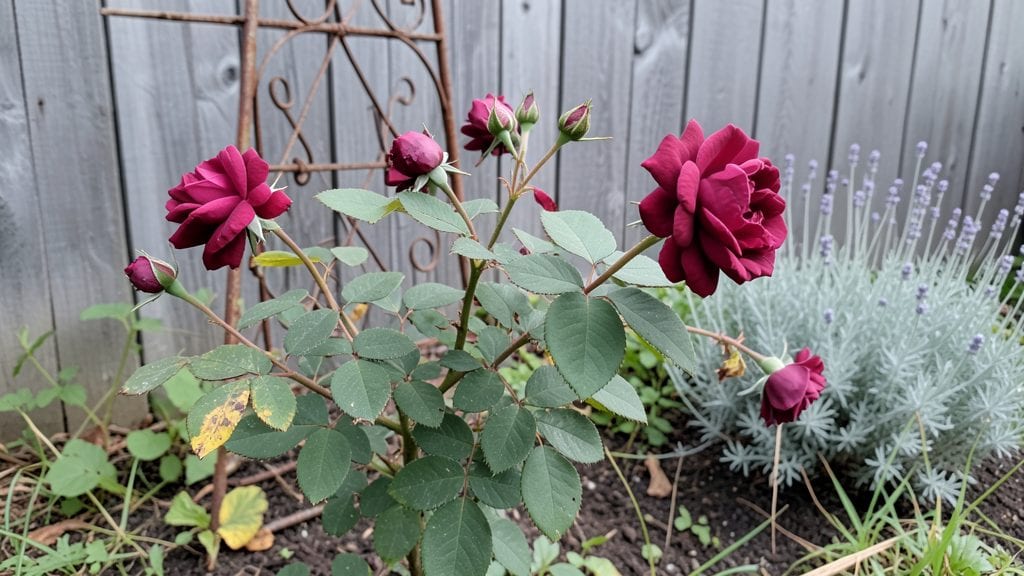
French cottage gardens aren’t just gardens—they’re living postcards of romance, overflowing with wild, layered charm that feels like stepping into a storybook. 🌿 I fell for this style after visiting a 19th-century village garden where roses tangled over weathered stone walls and lavender spilled onto cobblestone paths.
The magic isn’t in perfection but in the messy, abundant layers: tall delphiniums nodding beside low thyme, peonies hiding behind climbing clematis, and herbs tucked into every nook.
The key is mixing textures, heights, and colors—think velvety lamb’s ear rubbing against spiky hollyhocks, while roses in soft pinks and creams blur the edges between garden and wild meadow.
You’ll need a few must-haves: an old wooden trellis for climbing roses, a rustic stone border to define paths, and a palette of blues, whites, and dusty purples that never fades. Even small spaces work if you stack plants vertically and let them spill over edges.
What you’ll end up with is a garden that blooms in waves, not just in summer. Spring brings hellebores and bleeding hearts, summer explodes with roses and dahlias, and fall lingers with asters and ornamental grasses.
The scent alone—lavender, roses, and the earthy musk of damp soil—will make your garden feel like a sanctuary. Maintenance is easy once you embrace the "less is more" philosophy: deadhead spent blooms, prune lightly, and let nature handle the rest.
Perfect for gardeners who love character over perfection, this style thrives in any climate with the right plant choices. Whether you’re adding a cottage corner to your yard or transforming your entire garden, the secret is starting small—one rustic element, one fragrant border, at a time.
Let’s bring that timeless charm to life!
📚 In This Guide
- What you need
- Instructions
- Tips and common mistakes
- Wrapping up and next steps
What you need
- ● Soil & Amendments: Well-draining garden soil (or a mix of topsoil + compost)
- ● Organic compost (2–3 bags, ~1 cubic yard total)
- ○ Peat moss or coconut coir (optional, for moisture retention)
- ● Plants & Flowers: Perennials: Lavender, roses (climbing & shrub), peonies, delphiniums, foxgloves (5–10 plants each)
- ● Annuals: Marigolds, nasturtiums, sweet peas, pansies (10–15 flats or packs)
- ● Herbs: Rosemary, thyme, sage, oregano (3–5 plants)
- ○ Vegetables (optional but charming!): Tomatoes (bush or cherry), lettuce, radishes, carrots, and herbs like basil
- ● Hardscaping: Stone or brick pathways (flagstone, cobblestones, or stepping stones)
- ● Wooden trellises or arbors (2–4, for climbing plants)
- ○ Wrought-iron or wooden garden gates (optional, for a classic touch)
- ● Hand Tools: Garden trowel (for planting)
- ● Pruners (bypass pruners for clean cuts)
- ● Hand fork (for aerating soil)
- ● Garden gloves (heavy-duty, for protection)
- ● Larger Tools: Shovel (round-point for digging)
- ● Rake (bow rake for leveling soil)
- ● Wheelbarrow (for hauling soil/amendments)
- ● Hose with spray nozzle (or drip irrigation kit)
- ○ Optional Extras: French pruning shears (for delicate trimming)
- ● Garden kneeler/pad (for comfort)
- ● Birdhouses or feeders (to attract pollinators!)
- ● Sunlight: 6+ hours of direct sun daily (partial shade for some perennials)
- ● Space: At least 10’x10’ area (expand as desired!)
- ● Water Access: Garden hose or irrigation system nearby
- ● Patience: French cottage gardens thrive with time! (Some plants take 2–3 years to fully bloom.)
Step-by-Step instructions for creating a French cottage garden
Here's how to craft that dreamy, layered look with plants that thrive year after year.
🌱 Step 1: Plan Your Romantic Layers
French cottage gardens thrive on layers—tall, medium, and low plants create that signature romantic spill. Start by sketching a simple layout with a central focal point (like a small arbor or trellis) surrounded by 3-4 layers of plants. I like to dedicate one side to tall perennials (like delphiniums or hollyhocks) and another to low-growing ground covers (like ajuga or creeping thyme). This ensures visual interest from every angle.
Measure your space and mark planting zones with spray paint on the ground. Leave 18-24 inches between each layer to allow airflow and prevent overcrowding. Real talk: Don't cram too many plants in one spot—French cottage gardens look effortless, but that's only possible with intentional spacing.
🪴 Step 2: Prepare the Soil for Lush Growth
French cottage gardens adore rich, well-draining soil with plenty of organic matter. Mix 3 gallons of compost into the top 6 inches of soil for every 4 square feet of garden bed. I swear by this because cottage plants (like roses, peonies, and lavender) reward you with bold blooms and healthy foliage when their roots have room to stretch.
Add a 1-inch layer of mulch (like shredded bark or straw) after planting to lock in moisture and keep weeds at bay. This is the moment that matters: Skimping on soil prep leads to leggy, weak plants that never reach their full potential. Test your soil's pH—most cottage garden favorites prefer 6.0-7.0. If yours is too acidic, add pelletized lime to adjust.
☀️ Step 3: Plant for Season-Long Color and Texture
Choose a mix of perennials, annuals, and climbers to ensure blooms from early spring to late fall. I always include 3-5 perennials (like roses, peonies, or irises) as the backbone, then fill gaps with annuals (like sweet peas or nasturtiums) for instant color. Add 2-3 climbing plants (like clematis or roses) to train on trellises or arbors for vertical drama.
Plant in odd-numbered groups (threes or fives) for natural, balanced looks. Space perennials 18-24 inches apart and annuals 12-18 inches apart, depending on their mature size. Water deeply right after planting to settle the soil and encourage root growth. Here's the thing—French cottage gardens feel wild but are actually highly curated. Every plant has a purpose, whether it's for height, texture, or fragrance.
💧 Step 4: Water and Maintain for Year-Round Charm
Water deeply once a week (or more in hot, dry weather) to encourage deep root growth. I like to water early in the morning so the foliage dries quickly, reducing the risk of fungal diseases. French cottage gardens love dappled shade, so avoid watering overhead once plants are established—it can lead to mildew on leaves.
Deadhead spent blooms regularly (every 2-3 weeks) to prolong flowering and keep the garden looking tidy without sacrificing its natural charm. Fertilize lightly in early spring with a balanced, slow-release fertilizer (like 10-10-10) to support steady growth. Prune leggy stems in late winter to encourage bushier, fuller plants for the next season.
✂️ Step 5: Add Finishing Touches for Authentic Flair
Scatter ornamental grasses, lavender, or rosemary along pathways or bed edges for softness and fragrance. Add a few vintage-style garden ornaments (like a weathered birdbath or a rustic trellis) to enhance the cottage feel. I also weave in wildflower seeds (like poppies or cornflowers) for a natural, self-seeding touch that keeps coming back year after year.
Finally, incorporate a mix of textures—like the velvety leaves of lamb’s ear or the spiky blooms of echinacea—to create visual interest. Step back and admire your work: A true French cottage garden isn’t just about plants; it’s about creating a cozy, inviting atmosphere that feels like a hug from nature.
Tips & tricks for perfect French cottage garden design
A few simple strategies will help you create that dreamy, romantic look without the guesswork.
The Planting Pattern: When placing your tall perennials in Step 1, I always stagger them slightly rather than lining them up perfectly. This creates a more natural, organic feel that's key to the French cottage aesthetic. Think of it like arranging a still life painting—balance is everything. And don't be afraid to mix heights within each layer. For example, place a slightly shorter delphinium next to your tallest hollyhock to create visual interest without losing the layered effect.
Soil Prep Pro Tip: In Step 2, when mixing your 3 gallons of compost into the soil, I recommend adding a handful of worm castings to the mix for every 4 square feet. This boosts microbial activity in the soil, which helps plants absorb nutrients more efficiently. The worms also create air pockets that improve drainage—critical for those heavy-blooming cottage plants. Trust me on this: Your roses and peonies will thank you with bigger, more vibrant blooms.
Color Theory for Beginners: For Step 3, when selecting your perennials and annuals, I use the "rule of three" for color harmony. Choose one dominant color (like soft pink roses) and then add two complementary colors (like lavender and white). This creates a cohesive look without being too matchy-matchy. For example, I often combine peonies (pink), irises (purple), and lamb's ear (silvery-white) for a dreamy palette that feels timeless.
Maintenance Shortcuts: In Step 4, when deadheading your blooms every 2-3 weeks, I've found a simple trick that saves time: Use small pruning shears instead of your fingers. This allows you to snip off spent blooms more quickly and precisely. Also, I always deadhead in the morning when blooms are fully open—this gives you the clearest view of what needs removing and prevents any potential pests from hiding in the flowers.
Pro Tips for French Cottage Gardens
- A few simple strategies will help you create that dreamy, romantic look without the guesswork.
- The Planting Pattern: When placing your tall perennials in Step 1, I always stagger them slightly rather than lining them up perfectly.
- Soil Prep Pro Tip: In Step 2, when mixing your 3 gallons of compost into the soil, I recommend adding a handful of worm castings to the mix for every 4 square feet.
Frequently asked questions
What’s the best time of year to start a French cottage garden?
A French cottage garden thrives with patience! Plant perennials in early spring or fall (when soil is workable but not frozen) for the best root establishment. Annuals can go in late spring after the last frost. Pro tip: Layer plants so early bloomers (like tulips) transition into summer flowers (roses, lavender) seamlessly!
Are French cottage gardens expensive to maintain?
Not necessarily! While some classic plants (like peony or hydrangea) have higher upfront costs, they’re long-lived and divide easily. Opt for heirloom seeds, propagate cuttings, and use mulch to suppress weeds. Thrift stores and local plant swaps can also score affordable treasures. Think of it as an investment in timeless beauty over fast trends.
Can I create a French cottage garden in a small space?
Absolutely!
French cottage gardens excel in containers, raised beds, or even window boxes. Choose compact perennials (like dwarf lavender or miniature roses) and trailing plants (e.g., thyme or creeping phlox) to add layers. Vertical elements (trellises, hanging baskets) maximize charm without sprawl. Pro tip: Mix heights in pots—tall grasses in back, blooms in middle, and spillers (like sweet alyssum) to frame edges!
How do I keep pests away without chemicals?
French cottage gardens are naturally resilient thanks to their diverse plantings. Encourage beneficial insects (ladybugs, lacewings) with marigolds, dill, or fennel. Neem oil or soapy water sprays tackle pests gently. Pro tip: Interplant herbs (like rosemary or basil) among flowers—their scents repel many bugs!
What’s the secret to year-round interest in a cottage garden?
Layer plants with sequential blooms and textural variety. Start with early spring bulbs (daffodils, crocus), add summer perennials (delphiniums, peonies), and include fall/winter interest with ornamental grasses, berries, or evergreen shrubs. Mulch heavily in late fall to protect roots, and prune strategically to reveal bark or seed heads for winter charm.
Still stumped? Browse local nursery sales or join cottage garden forums—inspiration (and troubleshooting!) is just a click away.
Wrapping up and next steps
French cottage gardens are all about effortless romance—layered plants, fragrant blooms, and a cozy charm that thrives year-round. Whether you’re a seasoned gardener or just starting, these timeless designs prove that beauty doesn’t require perfection, just heart. 🌸
Ready to bring this magic to your space? Start small: sketch a simple layout, gather a few key plants, and let nature do the rest.
Every seed planted is a step toward a garden that feels like a hug from the earth—so roll up your sleeves and let the romance grow! 🌿