Tools
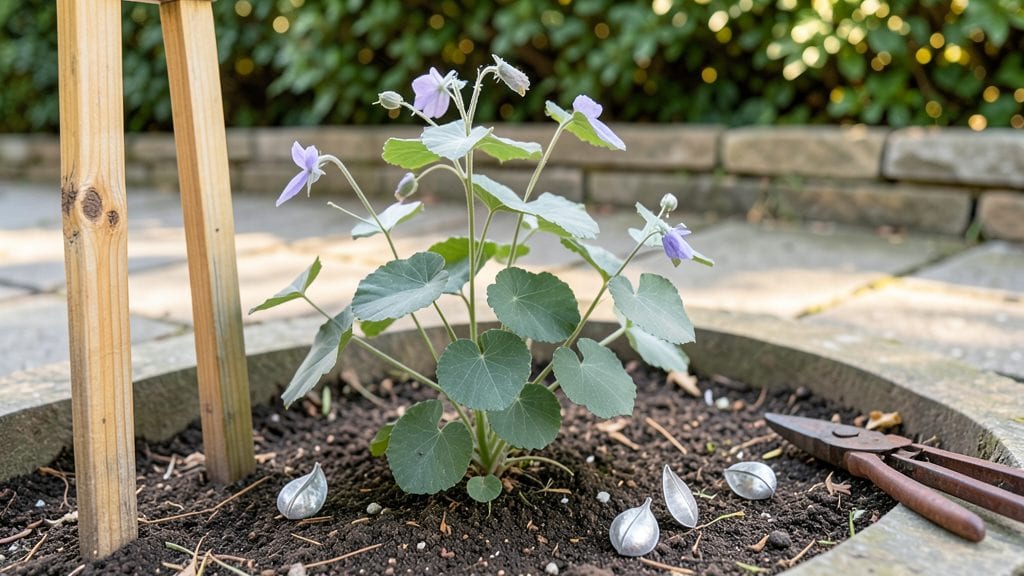
A moon moon garden turns your yard into a dreamy vertical escape where climbers dance and silvery foliage glows like moonlight. 🌙 I stumbled onto this idea after struggling with a shady corner—until I realized the right plants could make even dim spaces feel magical.
The secret lies in pairing reflective plants with whimsical vertical structures, creating a living tapestry that shimmers at dusk.
You’ll need a mix of silver-leaved plants (like lamb’s ear or dusty miller) to catch the light, night-blooming flowers (evening primrose or moonflower) for drama, and moon-shaped planters or trellises to anchor the theme.
Climbers like clematis or jasmine add height, while fairy lights or solar-powered lanterns extend the lunar vibe after dark. The best part? This works in small spaces—balconies, patios, or even a single wall.
By summer’s end, you’ll have a garden that feels like stepping into another world—where the air smells faintly of jasmine and the foliage shimmers like a crescent moon. The vertical layout saves space while creating a focal point that neighbors will envy.
Plus, the reflective plants reduce the need for harsh lighting, keeping your energy bill low and the ambiance serene.
Perfect for urban dwellers, shade lovers, or anyone craving a garden that feels like a secret escape. Here’s how to bring the magic down to earth—without breaking the bank or sacrificing style.
📚 In This Guide
- What you need
- Instructions
- Tips and common mistakes
- Wrapping up and next steps
What you need
- ● Vertical Garden Planter: 1–2 wall-mounted or freestanding planters (e.g., blank">Macramé hangers, blank">fabric pockets, or blank">modular panels). Size: 12"–24" wide (adjust based on wall space).
- ○ Growing Medium: 1–2 bags of lightweight potting mix (e.g., blank">cactus/succulent blend or blank">peat-free organic soil). Optional: Perlite or vermiculite (1 part per 4 parts soil) for drainage.
- ● Plants: 3–5 trailing plants (e.g., blank">String of Pearls, blank">Sweet Potato Vine, or blank">Hoya). 1–2 focal plants (e.g., blank">Air Plants (Tillandsia) or blank">Miniature Orchids).
- ● Hardware & Fasteners: Heavy-duty blank">wall anchors or blank">L-brackets (for wall-mounted setups). 2–4 screws (size depends on wall type).
- ● Basic: Drill or blank">power screwdriver. Measuring tape. Scissors or utility knife (for trimming fabric/mesh). Gloves (to protect hands from soil/plant spines).
- ○ Optional (for DIY Planters): Staple gun (for fabric pockets). Hot glue gun (for securing edges). Level tool (to ensure even mounting).
Instructions: build your Moon Moon garden vertical oasis
Here's how to create your dream vertical garden—where vines dance and blooms cascade like a living waterfall.
🌱 Step 1: Choose and Prepare Your Vertical Structure
Pick a sturdy frame—trellises, wall pockets, or hanging pockets all work. I like the 4-tier hanging planter set because it maximizes space while keeping roots contained. If using wood, seal it first with non-toxic outdoor sealant to prevent rot. For metal frames, ensure they're rust-proof and have drainage holes drilled at the bottom of each pocket.
Position your structure where it gets at least 6 hours of sunlight daily—most climbers like morning sun and afternoon shade. If your space only gets partial sun, focus on shade-tolerant vines like ivy or sweet potato vine. Hang or mount the structure securely so it doesn't sway in wind or shift with seasonal temperature changes.
💧 Step 2: Fill and Layer the Growing Medium
Use the 3 gallons of lightweight potting mix for each tier—it drains well but holds moisture for thirsty climbers. Mix in 1 cup of perlite per tier to improve aeration. This prevents soggy roots, which is especially critical for vertical gardens where water can pool at the bottom.
Fill each pocket 3/4 full, leaving 1 inch of space at the top for watering. Tap the sides gently to settle the mix without compacting it. If using the slow-release fertilizer granules, sprinkle 1 tablespoon per tier over the soil before adding plants. This ensures steady nutrition without frequent feeding.
☀️ Step 3: Plant Your Climbers with Care
Start with 4 young climbing plants—mix fast growers like morning glory or nasturtiums with slower ones like clematis or roses. Dig a hole twice as wide as the root ball but only as deep as the container it came in. This prevents burying the stem too deep, which can cause rot.
Place each plant in its pocket, then fill around the roots with the remaining potting mix. Press lightly to remove air pockets, but don't pack it down—roots need room to breathe. Water immediately after planting until moisture runs out the drainage holes. This helps settle the soil and removes air gaps.
✂️ Step 4: Train and Maintain Your Vertical Garden
Gently weave new growth through the trellis or frame as it emerges. For morning glory or sweet potato vine, tie stems loosely with twist ties every 2-3 inches to guide them upward. Avoid tight binding—you want to support, not strangle, the vines. Prune leggy growth to encourage bushier, fuller plants.
Water every 2-3 days until the top inch of soil feels dry. Vertical gardens dry out faster than ground-level ones, so check the top tier first—if it's dry, the rest likely needs water too. Feed with liquid fertilizer every 4-6 weeks during growing season to keep blooms vibrant. Deadhead spent flowers regularly to encourage more blooms.
🪴 Step 5: Enjoy and Expand Your Living Wall
Watch your garden transform as vines climb and flowers spill over the edges. In late summer, you can add annuals like fuchsia or lobelia to fill gaps and extend the blooming season. If using edible climbers like peas or beans, harvest pods when young for best flavor.
By fall, prune back any dead or overgrown vines to tidy the structure. Store the frame indoors if needed, or leave it outside with winter-hardy plants like ivy or climbing roses. Next spring, refresh the potting mix with 1 inch of compost and repeat the process—your vertical oasis will only get more magical.
Tips & tricks for perfect vertical climbing gardens
Creating a thriving vertical garden takes a little extra care—here's what I've learned to make sure your Moon Moon Garden flourishes from day one.
The Sunlight Secret: That 6 hours of sunlight requirement is non-negotiable for most climbers. I've seen morning glory vines grow twice as fast when positioned to catch morning sun and afternoon shade. If your space only gets partial sun, opt for shade-tolerant varieties like ivy or sweet potato vine—they'll still thrive with just 3-4 hours of indirect light.
Drainage is Everything: The 3 gallons of lightweight potting mix per tier is perfect, but don't skip the 1 cup of perlite—it's what prevents those dreaded soggy roots. I've had vertical gardens fail because water pooled at the bottom of the pockets. Pro tip: Add a small layer of gravel or pebbles at the very bottom of each pocket before your potting mix for extra drainage insurance.
Planting Precision: When you're planting those 4 young climbers, take your time with the hole size—it should be twice as wide but only as deep as the root ball. I learned this the hard way when my clematis stems rotted because they were buried too deep. A good trick is to plant at the same depth the plant was in its nursery container.
Watering Wisdom: Those 2-3 days between waterings can feel like a tightrope walk, especially in hot weather. Here's my foolproof method: Stick your finger into the top inch of soil—if it feels dry, water all tiers. The top pocket always dries out first, so check it first. For even distribution, water slowly from the top tier down, letting each pocket soak up moisture before moving to the next.
Pro Tips for Moon Moon Garden
- Creating a thriving vertical garden takes a little extra care—here's what I've learned to make sure your Moon Moon Garden flourishes from day one.
- The Sunlight Secret: That 6 hours of sunlight requirement is non-negotiable for most climbers.
- Drainage is Everything: The 3 gallons of lightweight potting mix per tier is perfect, but don't skip the 1 cup of perlite—it's what prevents those dreaded soggy roots.
Frequently asked questions
What’s the best time of year to start planting?
For most climbers, spring (after the last frost) is ideal—soil warms up, and plants wake from dormancy. If you’re in a mild climate, early fall works too. Avoid planting in extreme heat or cold; tender vines like morning glories or sweet peas thrive with gentle coaxing. Pro tip: Check seed packets for specific timing!
How do I keep pests away from my vertical garden?
Pests love lush greenery! Prevent them with:
- Neem oil spray (natural repellent)
- Companion planting (e.g., marigolds deter aphids)
- Row covers for young seedlings
- Regular pruning to improve airflow
Spot trouble early—chewed leaves or sticky residue means action time!
Can I build a Moon Moon Garden on a budget?
Absolutely! Skip pricey trellises by using:
- Recycled materials (pallets, wire mesh, or even an old ladder)
- Local rocks/pebbles for drainage layers
- Seed swaps or cuttings from friends’ plants
Thrift stores often have hanging planters or fabric for pockets—get creative!
What if my climbers aren’t growing as expected?
Slow growth? Check these first:
- Light: Is it getting 6+ hours of sun (or shade for ferns)?
- Water: Vertical gardens dry fast—water deeply 2–3x/week.
- Soil: Ensure it’s well-draining (add perlite if compacted).
- Support: Are vines tangled or blocked? Gently guide them upward.
Patience helps—some climbers (like jasmine) take time to flourish!
Will this work in small apartments or balconies?
Yes! A Moon Moon Garden is perfect for tight spaces. Try:
- Wall-mounted pockets (fabric or plastic)
- Hanging baskets with trailing plants
- Foldable frames for renters
Even a sunny windowsill can host herbs or ivy. Maximize vertical real estate—every inch counts!
Wrapping up and next steps
A Moon Moon Garden isn’t just a vertical planter—it’s a playful, space-saving masterpiece that brings joy and vibrancy to any home or climbing wall.
Whether you’re a plant lover, a climber, or someone who adores a pop of color, this whimsical design turns your space into a lush, living oasis with minimal effort. 🌿✨
Ready to transform your walls? Start small—pick a corner, gather your supplies, and let your creativity bloom! Your green thumb (or lack thereof) won’t hold you back—just follow the steps, and soon, you’ll be basking in the glow of your very own Moon Moon Garden.
Next up:
- 📝 Download our free planting checklist to stay organized.
- 🌱 Join our community to share your progress and get inspiration!