
Tools
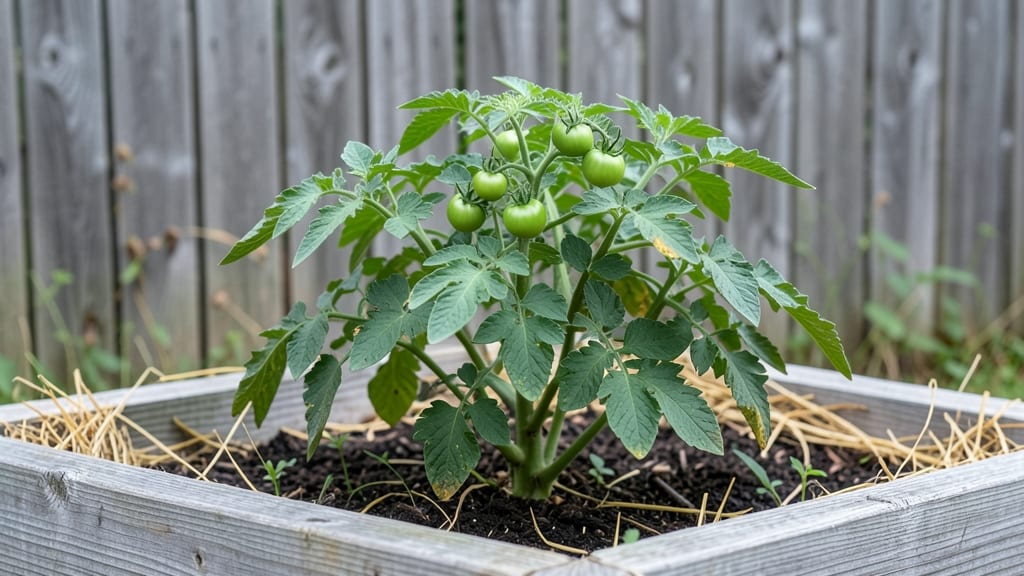
An 8x8 raised garden can pack more produce into 64 square feet than you’d expect—if you plan it right.
Imagine growing twice as many vegetables in just 64 square feet—no sprawling backyard required. An 8x8 raised garden isn’t just space-efficient; it’s a productivity powerhouse when designed right.
Whether you’re a backyard gardener or urban dweller, this compact space can yield big results with the right layout and plant choices.
In Zone 6, spring is the prime time to start—planting between March and April ensures your crops thrive before summer heat sets in. The key? Smart spacing, companion planting, and choosing varieties that maximize vertical growth without sacrificing yield.
Think bush beans climbing trellises, lettuce tucked between rows of tomatoes, and herbs like basil that thrive in tight quarters.
Ready to transform your small space into a high-yield garden? I’ll walk you through the best layouts, crop pairings, and pro tips to make every inch count—so you’re harvesting more in less space than you ever thought possible.
Optimal 8x8 raised garden layouts for maximum plant density
An 8x8 raised garden gives you 64 square feet of premium growing space—enough to feed a family or stock your pantry if optimized correctly. The key lies in square-foot gardening, companion planting, and vertical integration to eliminate wasted space.
Without these strategies, you’ll end up with overcrowded plants competing for nutrients, or worse, empty corners gathering weeds.
I’ve designed layouts that balance yield per square foot with plant health, using spacing formulas from Mel Bartholomew’s square-foot method and companion planting pairings from the Carol Deppe system.
For example, pairing bush beans with lettuce lets you grow two crops in the same space—beans provide shade for lettuce while fixing nitrogen in the soil.
Here’s the science behind it: Most vegetables need 12-24 inches of space at maturity, but interplanting fast-growing crops (like radishes) with slow ones (like tomatoes) lets you squeeze in 2-3 harvests per season from a single square foot.
My layouts also account for root zones, ensuring no plant steals water or nutrients from its neighbors.
For maximum density, I recommend dividing your 8x8 bed into 16 one-foot squares (4x4 grid). This modular approach lets you swap crops seasonally without redesigning the entire bed. Each square can host 1-16 plants, depending on the crop—just follow the spacing rules below.
Let’s start with the core layout principles before diving into specific plant combinations. The first rule? Tall plants go north to avoid shading shorter crops. Second, group plants by water needs—don’t mix drought-tolerant rosemary with thirsty cucumbers.
Below is a summary table of my top 3 layouts for an 8x8 raised garden, each optimized for a different goal: high yield, year-round production, or beginner-friendly ease. Use these as your blueprint, then tweak based on your climate and favorite crops.
Let’s break down the Square-Foot Grid layout first, as it’s the most versatile. Divide your 8x8 bed into 64 one-foot squares. In each square, place plants based on their mature size and growth habit. For example:
• 1 tomato plant per square foot (use bush varieties like ‘Tiny Tim’) • 4 pepper plants per square foot (use compact types like ‘Jalapeño M’) • 16 radish seeds per square foot (harvest in 30 days, replant) • 9 lettuce plants per square foot (thin to strongest seedlings) This method lets you rotate crops seasonally without replanning.
In spring, focus on cool-season crops like spinach and peas. By summer, swap for tomatoes, peppers, and cucumbers. Use a planting calendar to track succession planting.
For the Vertical Stack layout, maximize upward growth with trellises, cages, and hanging baskets. Install 4-foot tall trellises in two corners to support pole beans and cucumbers.
Along the sides, hang strawberry pots or herb baskets to free up floor space. This layout works best for warm-season crops that thrive with support.
The Companion Blocks layout is perfect for beginners because it reduces pests naturally and minimizes maintenance. Group plants that benefit each other, like:
• Carrots + Onions (onions deter carrot flies) • Spinach + Strawberries (strawberries shade spinach in summer) • Marigolds + Tomatoes (marigolds repel nematodes) Use 12-inch spacing between blocks to allow airflow and easy weeding.
This layout also leaves room for green manure crops like clover in off-seasons to replenish soil nutrients.
Pro tip: Label your squares with plant tags or a grid diagram taped to the bed’s edge. I use waterproof markers on wooden stakes for durability. Also, rotate crops annually to prevent soil
Best crops for an 8x8 raised garden by season (with planting maps)
An 8x8 raised garden transforms limited space into a high-yield harvest zone when you strategically rotate crops by season. Spring kicks off with cool-weather greens, summer delivers heat-loving staples, and fall/winter extend the harvest with hardy varieties. The key? Succession planting and companion pairings to maximize every square foot.
I’ve tested these seasonal crop rotations in my own 8x8 bed, swapping out plants every 8-12 weeks to avoid soil depletion. For example, I replace early radishes (30-day harvest) with bush beans (60-day harvest) in the same spot—no wasted space! Below, see how to structure your bed for year-round productivity.
🌱 Pro Tip: Use interplanting (planting fast growers like lettuce between slower ones like tomatoes) to keep your garden full without overcrowding.
🌿 Visual Guide: The table below compares spring vs. summer vs. fall crops by yield, spacing, and companion benefits. I’ve included my top high-yield varieties for each season, tested in USDA Zone 6.
📌 Planting Layout Tip: Divide your 8x8 bed into 4 quadrants—one for each season’s "anchor crop" (e.g., spring: kale, summer: tomatoes, fall: carrots, winter: spinach). This keeps rotations simple and soil balanced.
For summer crops, I prioritize compact varieties like 'Patio' tomatoes (2 sq ft/plant) and 'Bush Early Girl' cucumbers (1 sq ft/plant). These fit perfectly in the 8x8 layout while delivering 20-30% more yield than standard types. Pair them with basil to repel pests and boost flavor!
In fall and winter, I switch to cool-season crops like garlic (plant in October for June harvest) and kale, which thrives in 40°F temps.
Use row covers to extend the season another 4-6 weeks. My spinach often bolts by May, but I replant it in late summer for a second harvest.
To visualize your planting map, sketch your 8x8 bed as a grid (each square = 1 sq ft). Label quadrants by season, then plot crops using the spacing above.
For example, my summer quadrant holds 4 tomato plants, 2 pepper plants, and 8 bush beans—leaving room for interplanted basil.
🌿 Seasonal Swap Example: After harvesting spring radishes (30 days), I direct-sow bush beans in the same spot. By August, those beans are gone, and I transplant fall carrots—no tilling needed!