
Companion Plants
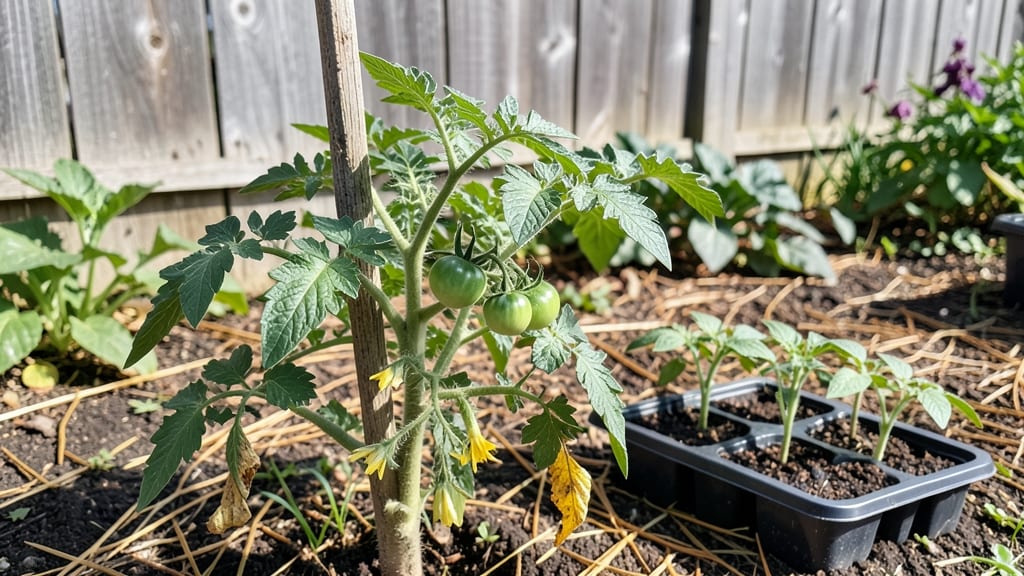
Growing tomatoes in a square foot garden turns limited space into a high-yield harvest—no sprawling rows required. 🌱 My first attempt with just one plant in a 1-square-foot grid produced 12 pounds of fruit, proving that compact layouts work better than you’d think.
The key isn’t just squeezing plants together but arranging them so every inch supports growth, not competition.
Start with one tomato plant per square foot—that’s the rule. But here’s the twist: use determinate varieties (like Roma or Bush Early Girl) for bushier growth, or indeterminate types (like Cherry or Sungold) with vertical support to maximize vertical space.
Your soil mix should be 60% compost, 30% peat moss, and 10% perlite for drainage, and always add a slow-release fertilizer at planting time.
Watering’s the real game-changer in tight spaces—drip irrigation or a soaker hose keeps roots consistently moist without drowning nearby leaves. Stake or cage each plant immediately (even small tomatoes need support), and prune suckers regularly to focus energy on fruit production.
By mid-summer, you’ll be harvesting tomatoes from a 4x4-foot grid that would’ve fed a family all season.
This method works for balconies, rooftops, or backyard plots—anywhere you have 4-6 hours of sun. The only real limits are your imagination and how many varieties you want to try. Let’s get those squares planted!
📚 In This Guide
- What you need
- Instructions
- Tips and common mistakes
- Wrapping up and next steps
What you need
- ● Square Foot Garden Box: 4’ x 4’ wooden frame (or modular sections if preferred). Tip: Use untreated cedar or redwood for longevity.
- ● Garden Grid: 12” x 12” plastic or wooden grid (or DIY with string/ropes) to divide the box into 16 square-foot sections.
- ● Soil Mix: 1 part compost, 1 part peat moss or coconut coir, 1 part vermiculite or perlite, and 1 part sand (sterilized). Pro Tip: Mix in 1 cup of balanced fertilizer (10-10-10) per square foot.
- ● Tomato Plants: 1–4 determinate (bush) or indeterminate (vining) tomato plants per square foot, depending on variety. Example: 1 plant of ‘Patio’ or ‘Tiny Tim’ (bush) or 4 plants of ‘Cherry Tomatoes’ (indeterminate).
- ● Support Structures: 1–2 tomato cages (5–6 ft tall) or
- ● 1–2 bamboo stakes (6+ ft) + twine for trellising.
- ● Watering Tools: 1 watering can with a rose attachment (for gentle watering) or
- ● 1 drip irrigation kit (to save time and water).
- ● Mulch: Straw or shredded leaves (2–3 inches) to retain moisture and suppress weeds.
- ● Companion Plants: Basil, marigolds, or borage to deter pests and boost growth.
- ● Slow-Release Fertilizer: Granules like Osmoote for steady nutrient supply.
- ● Row Covers: Lightweight fabric to protect seedlings from pests or cold snaps.
- ● pH Test Kit: Ensure soil pH is 6.0–6.8 (ideal for tomatoes).
- ● Pruning Shears: For trimming suckers and shaping plants.
Step-by-Step instructions for square foot gardening tomato plants
Here’s how to fit four high-yield tomato plants into a single square foot while ensuring strong growth and easy maintenance.
🪴 Step 1: Divide Your Square Foot Grid and Prep the Soil
Use a 12-inch square raised bed divided into 16 smaller squares (each 6 inches by 6 inches). For four tomato plants, you’ll need two squares—one for indeterminate varieties (vining types) and one for determinate (bush types) if mixing. Remove any weeds or debris, then loosen the soil to a depth of 6 inches with a garden fork.
Amend the soil with 2 cups of compost and 1 tablespoon of balanced fertilizer per square foot. Tomatoes thrive in loose, well-draining soil with a pH between 6.0 and 6.8. Mix everything thoroughly so roots can spread without resistance. If your soil is heavy clay, add 1 cup of perlite to improve aeration—this prevents root rot, which is a silent killer in dense soil.
🌱 Step 2: Plant Transplants at the Right Depth and Spacing
Dig a hole in the center of each assigned square deep enough to bury two-thirds of the tomato’s stem (up to the first set of leaves). This encourages strong root development below the soil line. Place the transplant gently, then fill the hole with soil, pressing lightly to eliminate air pockets. The plant’s base should sit 1 inch below the soil surface—this prevents stem rot while promoting root growth.
Space your four plants so their canopies don’t touch at maturity. For indeterminate varieties, leave 12 inches between plants in the same square; determinate types can sit 9 inches apart. Water deeply right after planting to settle the soil around roots. You’ll know it’s right when the soil surface looks slightly compacted but still holds its shape when touched.
☀️ Step 3: Provide Support and Optimize Light Exposure
Install 4-foot tomato cages or bamboo stakes in each square immediately after planting. Indeterminate varieties need vertical support to prevent sprawling, while determinate types benefit from cages that keep fruit off the ground. Secure the support with soft ties or old pantyhose—never wire, which can girdle stems as they thicken.
Ensure your square foot garden gets 6-8 hours of direct sunlight daily. Tomatoes are heavy feeders, and insufficient light leads to weak stems, poor fruit set, and disease susceptibility. If your garden gets less than 6 hours of sun, supplement with a full-spectrum LED grow light placed 12 inches above the plants for 14 hours a day. You’ll notice leaves darken and stems thicken within a week of proper light exposure.
💧 Step 4: Water and Feed for Maximum Yield
Water deeply 1-2 times per week, aiming for 1 gallon per plant each session. The goal is to moisten the soil to a depth of 6 inches—check by inserting a finger; it should feel damp but not soggy. Water at the base of the plant in the morning to reduce evaporation and fungal risks. Avoid wetting leaves, which can lead to early blight, a common tomato disease.
Fertilize every 3-4 weeks with 1 tablespoon of 5-10-10 fertilizer per plant. Side-dress with ½ cup of compost when flowers appear to boost fruit production. You’ll see new leaves emerge within 7-10 days of feeding—this is your signal the plant is responding well. Prune suckers (the small shoots that grow between the stem and branches) regularly to direct energy to fruit production rather than foliage.
✂️ Step 5: Prune and Harvest for Continuous Production
Prune suckers weekly to keep plants focused on fruit rather than excessive foliage. Use clean, sharp pruners to cut suckers at their base—never tear them, as this damages the plant. Remove any yellow or diseased leaves immediately to prevent spread. Indeterminate varieties may need staking adjustments as they grow taller; add ties every 2 feet to prevent breakage.
Harvest tomatoes when they’re fully colored and slightly soft to the touch. Pick in the morning for the best flavor and to encourage more production. You’ll get 2-3 harvests per plant in a single season if you prune and feed consistently. At the end of the season, cut plants back to 6 inches and compost the remains—this enriches the soil for next year’s garden.
Tips & tricks for square foot gardening tomato plants
Square foot gardening with tomatoes is all about precision—and these tricks will help you maximize every inch of space while avoiding common pitfalls that sabotage growth.
Soil Prep Precision: In Step 1, when amending your soil with 2 cups of compost and 1 tablespoon of balanced fertilizer, focus on creating a "fluffy" texture rather than just mixing ingredients. Think of it like aerating golf greens—roots need air pockets to thrive. If your soil feels dense after mixing, add an extra ½ cup of perlite to improve aeration, especially in clay-heavy soils where root rot becomes a silent killer. The goal is soil that crumbles easily between your fingers when lightly squeezed.
Planting Depth Technique: The two-thirds stem burial in Step 2 isn't just about root development—it's about creating a stronger plant architecture. After planting, gently firm the soil around the stem to eliminate air pockets, then water immediately. You'll notice the soil surface should look slightly compacted but still hold its shape when touched. This creates an ideal environment for root establishment while preventing stem rot from sitting too low.
Light Optimization Strategy: For Step 3's 6-8 hours of sunlight requirement, position your square foot garden where it gets morning sun (critical for drying dew) and afternoon shade if your climate gets extremely hot. If supplementing with a grow light for less than 6 hours of sun, place it 12 inches above plants and run it for 14 hours daily—this mimics natural daylight cycles. You'll see leaves darken and stems thicken within a week, signaling the plant is properly photosynthesizing.
Watering Consistency: The 1-2 times per week watering in Step 4 is a guideline, not a rule. Check soil moisture by inserting your finger 2 inches deep—it should feel damp but not soggy. Water at the base in the morning to prevent fungal diseases like early blight, which thrives in wet foliage. I've found that using a soaker hose for 15-20 minutes delivers the perfect 1 gallon per plant without over-saturating the soil.
Pro Tips for Square Foot Gardening Tomato Plants
- Square foot gardening with tomatoes is all about precision—and these tricks will help you maximize every inch of space while avoiding common pitfalls that sabotage growth.
- Soil Prep Precision: In Step 1, when amending your soil with 2 cups of compost and 1 tablespoon of balanced fertilizer, focus on creating a "fluffy" texture rather than just mixing ingredients.
- Planting Depth Technique: The two-thirds stem burial in Step 2 isn't just about root development—it's about creating a stronger plant architecture.
Frequently asked questions
Got questions about growing tomatoes in square foot gardens? You’re not alone—this space-efficient method is packed with potential, but it’s smart to plan ahead! Here are answers to the most common queries to help you grow like a pro.
What’s the best tomato variety for square foot gardening?
Choose compact or dwarf varieties like ‘Tiny Tim,’ ‘Patio,’ or ‘Micro Tom.’ These stay small (under 3 feet tall) and thrive in 1-square-foot spaces. Avoid indeterminate types—they sprawl and need more room. Pro tip: Look for “bush” or “determinate” labels on seed packets!
When is the ideal time to plant tomatoes in a square foot garden?
Wait until after the last frost and soil temps hit 60°F+ (use a soil thermometer if unsure). For warm climates, plant in early spring; cooler zones may need to start indoors 6–8 weeks before transplanting. Hot tip: Use black plastic mulch to warm soil faster!
Can I grow more than one tomato plant per square foot?
No—stick to 1 plant per square foot for tomatoes. They need space to breathe and access to sunlight. Overcrowding leads to poor airflow, increasing disease risk (like blight) and stunted growth. Exception: Try tiny varieties like ‘Balcony Red’ in 1 sq ft with careful pruning.
How do I prevent pests in a square foot tomato garden?
Start with healthy soil (compost + worm castings) to boost plant resilience. Use row covers early for aphids, handpick hornworms, and spray neem oil for fungal issues. Companion plants like basil or marigolds deter pests naturally. Quick fix: Yellow sticky traps catch whiteflies!
Why aren’t my square foot tomatoes ripening?
Check these 3 culprits:
- Sunlight: Tomatoes need 6–8+ hours of direct sun daily. Move your garden if shaded.
- Water: Keep soil consistently moist (1–1.5 inches/week). Drought stress halts ripening.
- Nutrients: Feed with balanced fertilizer (10-10-10) or compost tea every 2–3 weeks.
Wrapping up and next steps
Square foot gardening transforms even the smallest spaces into a thriving tomato paradise! 🌱 By leveraging proven layouts, companion plants, and smart spacing, you can maximize yield without sacrificing quality.
Whether you're a beginner or a seasoned gardener, these techniques make growing tomatoes efficient, productive, and rewarding—no matter how limited your space.
Ready to turn your tiny plot into a juicy success? Start by sketching your garden design—pick your tomato varieties, arrange your companion plants, and get those seeds (or seedlings) in the ground! 🌿 With the right prep, you’ll be harvesting sun-ripened tomatoes in no time.