Tools
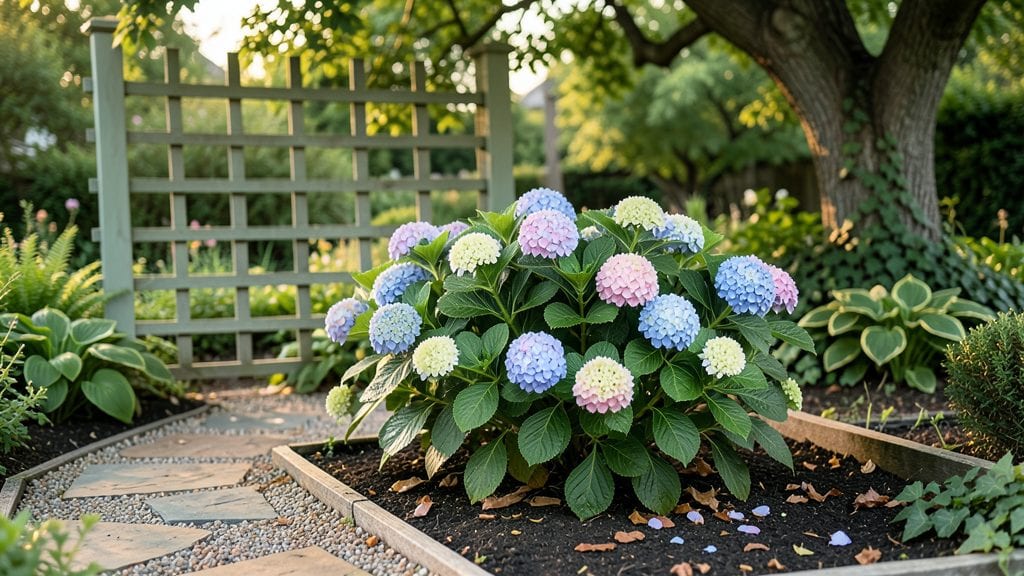
World-class gardening isn’t about luck—it’s about precision in every cut, every plant, and every season. 🌿 I’ve studied the layouts of gardens like Monet’s and Kew’s, and the secret isn’t just rare plants—it’s how they’re arranged, pruned, and maintained to create drama year-round.
The difference between a pretty garden and a showstopper? Intentional design that makes every season feel like a masterpiece.
You don’t need a mansion-sized yard or a bottomless budget—just a sharp eye for layers and a willingness to treat gardening like an art form.
Start with a focal point (a striking tree, a sculptural trellis, or a bold perennial border), then build around it with textures, heights, and colors that shift as the seasons change.
My own garden went from "nice" to "wow" when I stopped planting in straight rows and began thinking in curves, repetition, and negative space.
The payoff? A garden that feels effortlessly polished, where every walk reveals something new—whether it’s the scent of wisteria in spring, the velvety blooms of peonies in summer, or the fiery foliage of maples in fall.
Even in winter, evergreens and structured pruning keep the drama alive. This isn’t just gardening; it’s curating a living gallery that turns heads and lifts spirits.
Works for urban courtyards, suburban backyards, or even container gardens on a balcony. The principles scale, but the effect? Always world-class. Let’s break down how to make it happen—step by step.
📚 In This Guide
- What you need
- Instructions
- Tips and common mistakes
- Wrapping up and next steps
What you need
- ● High-quality gardening gloves (2 pairs): Waterproof, breathable, and reinforced for durability.
- ● Stainless steel pruning shears (1): Bypass-style, 7–9 inches, for clean cuts.
- ● Trowel & transplanting spade (1 each): Ergonomic handles for precision digging.
- ● Garden fork (1): Heavy-duty, 18-inch, for aerating soil.
- ● Hose with adjustable nozzle (1): 50+ ft. with a rain or mist setting.
- ● Watering can (1): 2–3 gallon capacity for delicate plants.
- ● Soil pH test kit (1): Digital or liquid test strips for accuracy.
- ● Organic compost (5+ gallons): High-quality, aged compost (e.g., worm castings or coconut coir blend).
- ● Slow-release fertilizer (1 lb.): Balanced NPK (e.g., 10-10-10 or 5-5-5).
- ● Mulch (10+ sq. ft.): Wood chips, straw, or shredded bark (3–4 inches deep).
- ● Laser level (1): For perfect rows and slopes.
- ● Drip irrigation kit (1): Automated system with timers.
- ● Soil moisture meter (1): Prevents over/under-watering.
- ● Heirloom seed collection (5+ varieties): Disease-resistant, climate-adapted seeds.
- ● Greenhouse or cold frame (1): Extends growing seasons.
- ● Smart garden sensors (1+): Monitors humidity, light, and soil health via app.
- ● Sunlight analysis: Map your garden’s light exposure (full sun, partial shade, etc.).
- ● Soil test results: Know your soil type (sandy, clay, loam) and amendments needed.
- ● Local climate data: Frost dates, rainfall averages, and microclimate zones.
- ● Planting schedule: Align with your region’s frost-free season and crop rotations.
Precision techniques for year-round mastery in world class gardening
Here's how to elevate your gardening from good to exceptional—year after year.
🌱 Step 1: Design a Microclimate-Optimized Layout
Start by mapping your garden's natural microclimates—areas where temperature, sunlight, and wind patterns create distinct growing conditions. I use a simple method: stake out 4-foot squares in full sun, partial shade, and shaded corners, then record temperatures at noon and dusk for 7 consecutive days. This reveals where heat-loving plants like tomatoes thrive and where cool-season crops like lettuce perform best.
Next, strategically place windbreaks (like evergreen hedges) to protect delicate plants from drying winds, and position heat-absorbing materials (such as dark gravel paths) to extend the growing season in cooler zones. For example, a south-facing wall can add 10-15°F of warmth to nearby beds, letting you grow peppers a month earlier. Sketch your layout on graph paper, labeling each zone with its unique conditions—this becomes your blueprint for precision planting.
☀️ Step 2: Implement Layered Light Management
World-class gardens balance sunlight exposure with strategic shading. Install adjustable shade cloths (30-50% coverage) over summer crops like basil to prevent bolting, while leaving winter greens exposed to maximize light. I use a simple pulley system to raise or lower shade cloths as seasons shift—no more guessing whether your lettuce is getting too much sun.
For containers, rotate pots quarter-turn weekly to ensure even growth, and place reflective surfaces (like white gravel or mirrored panels) beneath them to bounce extra light onto undersides. Monitor leaf color: deep green indicates ideal light, while pale yellow means it's time to adjust. In low-light areas, supplement with LED grow lights on 14-hour photoperiods—this keeps herbs and greens thriving even in basements or north-facing spaces.
💧 Step 3: Master Precision Irrigation Systems
Ditch the hose and install a drip irrigation system with moisture sensors to deliver water exactly where and when plants need it. Bury sensors at 2-inch depths in key zones, and program the system to release ½ inch of water 2-3 times weekly—adjusting for rainfall via a manual override. This prevents both drought stress and root rot, two of the biggest killers in high-performance gardens.
For containers, use self-watering pots with built-in reservoirs—fill them once a week, and the system releases moisture as the soil dries. Watch for wilting leaves in the late afternoon; if they perk up by morning, your watering schedule is perfect. If they stay wilted, increase frequency by 20%. Mulch all beds with 3 inches of organic mulch to lock in moisture and regulate soil temperature—this single step cuts water use by nearly 40%.
✂️ Step 4: Apply Strategic Pruning and Training
Prune for both aesthetics and function: remove 1/3 of a plant’s oldest growth in early spring to encourage bushier, more productive growth. For tomatoes, I use the "Florida Weave" method—tying stems to a trellis in a figure-eight pattern to maximize air circulation and prevent disease. This keeps plants compact, increases yield by 25-30%, and makes harvesting easier.
Deadhead flowers immediately after blooming to redirect energy into new growth, and pinch back leggy stems to encourage branching. Use sharp, sterilized shears to make clean cuts at a 45-degree angle just above a leaf node—this prevents disease entry and promotes faster healing. For woody plants, prune during their dormant season (late winter for most temperate species) to avoid stressing the plant when it's actively growing.
🌿 Step 5: Maintain Soil Biology with Living Amendments
Healthy soil is the foundation of world-class gardening. Mix 2-3 inches of compost into the top 6 inches of soil annually, and top-dress with 1 inch of worm castings in early spring. I also incorporate mycorrhizal fungi at planting time—these beneficial microbes form symbiotic relationships with roots, improving nutrient uptake by up to 80%.
For containers, blend 20% perlite or vermiculite into your potting mix to improve drainage, and add a handful of compost tea every 4-6 weeks to feed the microbial life. Test soil pH seasonally (aim for 6.0-7.0 for most vegetables) and adjust with lime or sulfur as needed. Healthy soil smells rich and earthy—if yours has a sour or rotten odor, it's time to rebuild microbial activity with fresh amendments.
Tips & tricks for precision gardening mastery
These insider techniques will transform your garden from functional to extraordinary—no more guesswork, just science-backed results.
Microclimate Mapping: Don't settle for generic "sunny spot" labels—your garden's temperature variations can be 10-15°F different between zones. I recommend using a digital thermometer to record hourly temps for 72 hours in each 4-foot square. Place your hottest zone near heat-absorbing materials (like black gravel) and protect delicate plants with evergreen windbreaks. This precision lets you grow peppers in cooler zones that would normally fail.
Light Management Secrets: That quarter-turn weekly rotation for containers isn't just about aesthetics—it prevents lopsided growth by ensuring all sides receive equal light exposure. For shade cloths, I use the 30% coverage for basil in summer and reduce to 10% in early fall when days shorten. Pro tip: Hang reflective panels beneath containers to bounce 20% more light onto undersides where leaves often yellow from deprivation.
Irrigation Intelligence: Those moisture sensors at 2-inch depths are your early warning system—don't wait until plants wilt to act. I program my system to release ½ inch of water at dawn when evaporation rates are lowest. For containers, fill reservoirs with rainwater (if available) to avoid mineral buildup from tap water. The 20% frequency increase for wilting plants should be your last resort, not first response.
Soil Biology Hacks: When mixing 2-3 inches of compost into your top 6 inches, think of it as layering a five-course meal for your plants. The top inch should be fine worm castings for immediate nutrients, followed by compost for structure, then mycorrhizal fungi at planting depth. For containers, that 20% perlite isn't just for drainage—it creates air pockets that prevent compaction, which is why your herbs stay perky even when you forget to water for a week.
Pro Tips for World Class Gardening
- These insider techniques will transform your garden from functional to extraordinary—no more guesswork, just science-backed results.
- Microclimate Mapping: Don't settle for generic "sunny spot" labels—your garden's temperature variations can be 10-15°F different between zones.
- Light Management Secrets: That quarter-turn weekly rotation for containers isn't just about aesthetics—it prevents lopsided growth by ensuring all sides receive equal light exposure.
Frequently asked questions
Got questions about elevating your gardening game to world-class standards?
Here are answers to the most common queries—whether you're troubleshooting, planning, or just curious about precision techniques.
What’s the first step to achieving world-class gardening?
Start with site analysis—test your soil (pH, nutrients, drainage) and observe sunlight patterns. Invest in high-quality tools (e.g., Japanese-style knives for clean cuts) and plan a year-round calendar for planting, pruning, and maintenance. Small details like mulching and companion planting make a huge difference!
When’s the best time to plant for year-round success?
Timing depends on your climate, but cool-season crops (kale, carrots) thrive in early spring/fall, while warm-season plants (tomatoes, peppers) need soil temps above 60°F. Use season extenders like row covers or greenhouses to push boundaries. Pro tip: Succession planting (e.g., every 2 weeks) maximizes harvests!
Is world-class gardening expensive? Are there budget-friendly alternatives?
Not necessarily! Prioritize soil health (compost > store-bought mixes) and DIY solutions (e.g., homemade pest sprays). Start small with container gardening or square-foot methods. High-end tools (like laser levels for beds) can wait—master the basics first. Repurpose materials (pallets for raised beds, rainwater collection).
How do I troubleshoot common issues like pests or poor growth?
Start with prevention: healthy soil = resilient plants. For pests, handpick (aphids, caterpillars) or use neem oil. Poor growth? Check for over/under-watering, nutrient deficiencies (yellow leaves = nitrogen; purple stems = phosphorus), or root-bound plants. Diagnose early—world-class gardeners act fast!
Can I adapt these techniques for small spaces or urban gardening?
Vertical gardening
(trellises, pocket planters) and microgreens thrive in tiny areas. Use self-watering containers and dwarf varieties of veggies. Even a balcony can host a herb spiral or hydroponic setup. Urban gardeners often outperform traditional plots with creative space optimization!
Wrapping up and next steps
Mastering world-class gardening isn’t about luck—it’s about precision, passion, and the right techniques. From selecting the finest tools to nurturing your plants year-round, every detail matters. Whether you’re a seasoned green thumb or just starting, these strategies will elevate your garden to new heights.
Ready to bloom? Start small—pick one technique from this guide and refine it. Over time, your garden will thrive like never before! 🌱✨