Shrubs
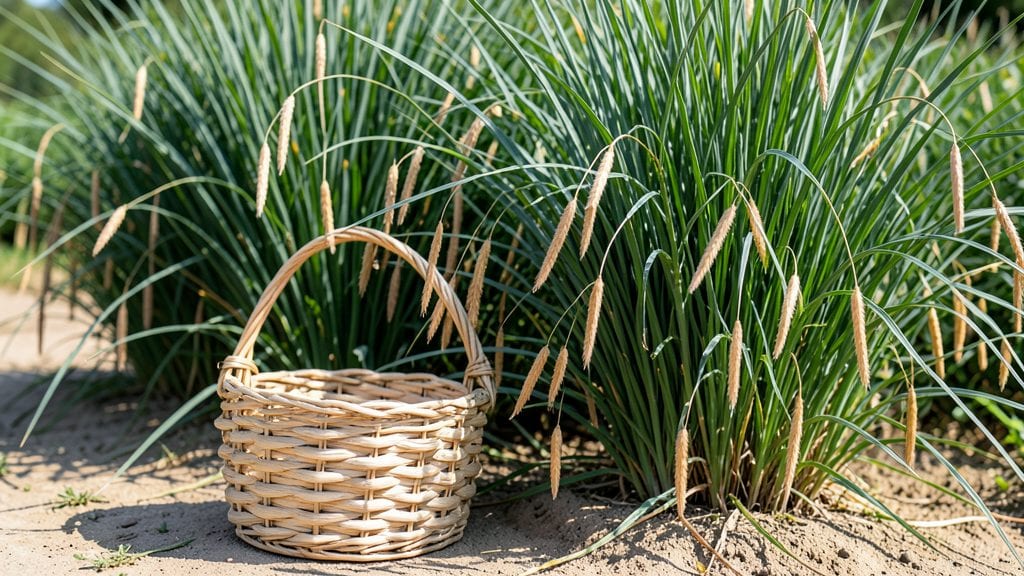
My Florida weave gardening setup transformed my backyard into a private oasis without a single fence post. 🌿 The woven lattice screens blend seamlessly with native shrubs while offering year-round privacy—something my neighbors who still use chain-link fences can only dream of.
This isn’t just about blocking views; it’s about creating a living tapestry that grows with your garden.
The beauty of Florida weave lies in its versatility. You can use it as a trellis for climbing roses, a decorative screen along walkways, or even as rustic accents for garden beds.
I paired mine with muhly grass and coontie palms, and the combination feels like a natural extension of Florida’s native landscapes. The materials—woven from cypress or palm—age gracefully, developing a silvery patina that adds character over time.
What you’ll love most is how low-maintenance this design truly is. The shrubs thrive in Florida’s heat and humidity, while the weave requires no painting or sealing. By summer’s end, you’ll have a lush, fragrant privacy barrier that looks better than anything you’d buy at a home improvement store.
The best part? It’s easy to customize for any yard size or style.
Whether you’re hiding an unsightly utility area or framing a cozy seating nook, Florida weave gardening delivers both function and flair. I’ll show you how to source materials, choose the right plants, and assemble everything like a pro—no carpentry degree required.
📚 In This Guide
- What you need
- Instructions
- Tips and common mistakes
- Wrapping up and next steps
What you need
- ● Florida Weave shrubs: 15–20 plants per 10-foot section (e.g., Myrtle Oak, Wax Myrtle, or Yaupon Holly). Choose disease-resistant varieties for Florida’s climate!
- ● Garden soil: 2–3 cubic yards (amend with compost for drainage). Florida’s sandy soil? Mix in peat moss or coconut coir for moisture retention.
- ● Mulch: 2–3 inches of pine bark or cypress mulch (helps retain moisture and suppress weeds).
- ● Pruning tools: 1 pair bypass pruners (for clean cuts)
- ● 1 hedge trimmer (battery-powered for ease)
- ● 1 loppers (for thicker branches)
- ● Measuring tape & stakes: To mark planting lines and spacing (aim for 3–4 feet apart for mature growth).
- ● Watering system: Drip irrigation or soaker hoses (Florida’s heat demands 1–2 inches of water weekly).
- ● Gloves & safety glasses: Protect your hands and eyes during planting/pruning!
- ● Slow-release fertilizer: 10–20 lbs of balanced 6-6-6 or organic options (apply in early spring).
- ● Plant supports: Temporary stakes for young shrubs in windy areas.
- ● Soil test kit: Check pH (ideal: 5.0–6.5 for Florida Weave plants).
- ● Decorative edging: Landscape fabric or stones to define your weave borders.
- ● Solar-powered lights: Highlight your lush privacy screen after dark!
How to create a Florida weave garden for natural privacy
This design keeps your yard lush, green, and low-maintenance all year—no fences or high walls needed.
🌿 Step 1: Choose the Right Shrubs for Your Climate
Florida weave gardens thrive with native shrubs that handle humidity and heat. I recommend murraya paniculata (orange jessamine), podocarpus (podocarpus), or murraya koenigii (curry leaf) for their dense growth and year-round foliage. These plants grow well in USDA zones 9-11 and tolerate poor soil, making them perfect for Florida's climate.
Start with 4-6 plants spaced 3-4 feet apart in a staggered pattern. This creates the classic weave look while allowing room for each plant to fill out. If your space is narrow, opt for 2-3 rows of shrubs instead of a single deep hedge. The goal is to create a living screen that blocks views naturally.
🪴 Step 2: Prepare the Planting Area
Clear the area of grass, weeds, or debris using the landscaping rake and pruning shears. Dig holes twice as wide and just as deep as the root balls of your shrubs. This gives roots room to spread without crowding. Mix the excavated soil with 2 parts native soil and 1 part compost to improve drainage and fertility.
Place each shrub in its hole, ensuring the top of the root ball sits level with the ground. Fill in around the roots with the soil mix, pressing gently to remove air pockets. Water deeply right after planting to settle the soil and encourage root growth. You’ll know it’s done right when water drains evenly without pooling.
☀️ Step 3: Train the Shrubs for a Natural Weave
Within the first 2-3 months, gently weave the branches of adjacent shrubs together using the soft garden twine. Start at the base and work upward, securing the twine loosely—you don’t want to strangle the branches. This encourages the plants to grow into each other naturally over time. I like to do this in early spring when new growth is vigorous but still flexible.
Prune any crossing or rubbing branches with the pruning shears to prevent damage. Trim back any leggy growth to encourage bushier, denser foliage. The weave will tighten on its own as the plants mature, but this initial training sets the foundation for a thick, private screen.
💧 Step 4: Water and Maintain for Year-Round Growth
Water newly planted shrubs deeply 2-3 times per week for the first 4-6 weeks until the soil is 6 inches deep and moist. After that, reduce to once a week unless you’re in a drought. Florida’s heat and humidity mean these shrubs won’t need much extra water once established, but consistent moisture helps them root deeply.
Apply a 2-inch layer of mulch around the base of each plant to retain moisture and suppress weeds. Replenish the mulch annually in early spring as it breaks down. Fertilize lightly with a slow-release, balanced fertilizer in spring and fall to keep growth steady without overfeeding.
✂️ Step 5: Prune and Shape for Long-Term Privacy
Prune your Florida weave garden twice a year: once in late winter to shape the plants and again in summer to remove any dead or overgrown branches. Use the pruning shears to trim back any growth that’s become too dense or scraggly. This keeps the weave looking neat and encourages new, healthy growth.
Watch for signs of pests like scale insects or whiteflies, which can stress the plants. If you spot them, treat with neem oil or insecticidal soap as needed. With proper care, your Florida weave will grow into a lush, living privacy screen in 2-3 years, offering shade, beauty, and year-round seclusion.
Tips & tricks for perfect Florida weave gardens
Creating a Florida weave garden that thrives year-round takes a few key strategies to avoid common pitfalls. Here's what I've learned after seeing too many weaves fail from poor planning.
Plant Selection Wisdom: While murraya paniculata, podocarpus, and murraya koenigii are my top picks, don't overlook ligustrum sinense (Chinese privet) if you need faster growth. These alternatives handle Florida's heat just as well and fill in quickly. The key is choosing plants that naturally grow dense and compact—avoid anything with sparse foliage or weak stems that can't support the weave structure.
Soil Preparation Secret: In Step 2, when mixing your soil, add a handful of perlite to the compost mix if your native soil is heavy clay. This improves drainage dramatically, especially important in Florida's rainy season. I've seen roots rot when planted in pure clay—don't make that mistake. Also, consider testing your soil pH before planting; these shrubs prefer slightly acidic soil (pH 5.5-6.5).
Weaving Technique Tip: For Step 3's weaving process, I recommend using biodegradable twine instead of regular garden twine. It'll break down naturally as the plants grow together, eliminating the need to remove it later. When weaving, start with the youngest, most flexible branches—older wood will snap if you force it. Think of it like braiding hair: work slowly from the bottom up.
Watering Strategy: The 2-3 times per week watering in Step 4 works perfectly, but here's the pro move: water in the early morning (before 9 AM) to prevent fungal issues from prolonged moisture. I've also found that using a soaker hose delivers water directly to the roots without wetting the foliage, which helps prevent scale insects—one less pest to worry about.
Pro Tips for Florida Weave Gardening
- Creating a Florida weave garden that thrives year-round takes a few key strategies to avoid common pitfalls.
- Plant Selection Wisdom: While murraya paniculata, podocarpus, and murraya koenigii are my top picks, don't overlook ligustrum sinense (Chinese privet) if you need faster growth.
- Soil Preparation Secret: In Step 2, when mixing your soil, add a handful of perlite to the compost mix if your native soil is heavy clay.
Frequently asked questions
about Florida Weave Gardening—because even the best plans need a little troubleshooting! Here are answers to the most common questions to help you get started with confidence.What’s the best time of year to plant Florida Weave shrubs?
Plant your Florida Weave shrubs in late winter or early spring (February–March) for ideal root establishment before Florida’s hot summers. Avoid planting in peak heat (June–August) to reduce stress on young plants. Pro tip: If you must plant in summer, water deeply 2–3 times per week for the first month!
How often should I water Florida Weave shrubs?
Newly planted shrubs need deep watering 2–3 times per week until established (about 6–12 months). Mature plants thrive with 1–1.5 inches of water per week, either from rain or irrigation. Watch for wilting leaves—a sign they need a drink! Mulch helps retain moisture.
Do Florida Weave shrubs need pruning, and when?
Light pruning in late winter (February) keeps them dense and tidy. Trim back leggy growth or stray branches to encourage bushier growth. Avoid heavy pruning in summer, as it stresses the plant. Fun fact: Florida Weave’s natural shape means less pruning than traditional hedges!
What pests or diseases should I watch for?
Florida Weave is highly resistant to pests, but keep an eye out for scale insects or whiteflies (rare). If spotted, hose them off or use neem oil. Fungal issues like powdery mildew can occur in humid conditions—improve airflow by spacing plants properly and avoid overhead watering.
Can I mix Florida Weave with other plants?
Florida Weave pairs beautifully with palmetto, muhly grass, or native ferns for texture and color contrast. Just ensure companions have similar water and sunlight needs. Design tip: Use taller plants (like bamboo) behind it for extra privacy layers!
How do Florida Weave shrubs handle Florida’s heat and humidity?
These shrubs are built for Florida’s climate—drought-tolerant once established and thriving in full sun to partial shade. They handle humidity well but may need occasional watering during prolonged dry spells. Bonus: Their glossy leaves repel dust, keeping your privacy screen looking fresh!
Wrapping up and next steps
Florida Weave gardening offers a stunning, low-maintenance way to transform your outdoor space into a year-round privacy haven—without sacrificing beauty or ease.
With the right shrubs, like Murraya paniculata or Podocarpus, you’ll enjoy lush, fast-growing greenery that thrives in Florida’s climate while requiring minimal upkeep. The key? Plan ahead, choose wisely, and embrace the weave!
Ready to take the next step? Start sketching your design or contact a local nursery for expert plant recommendations. Your dream privacy screen is just a few cuts and ties away! 🌿✨