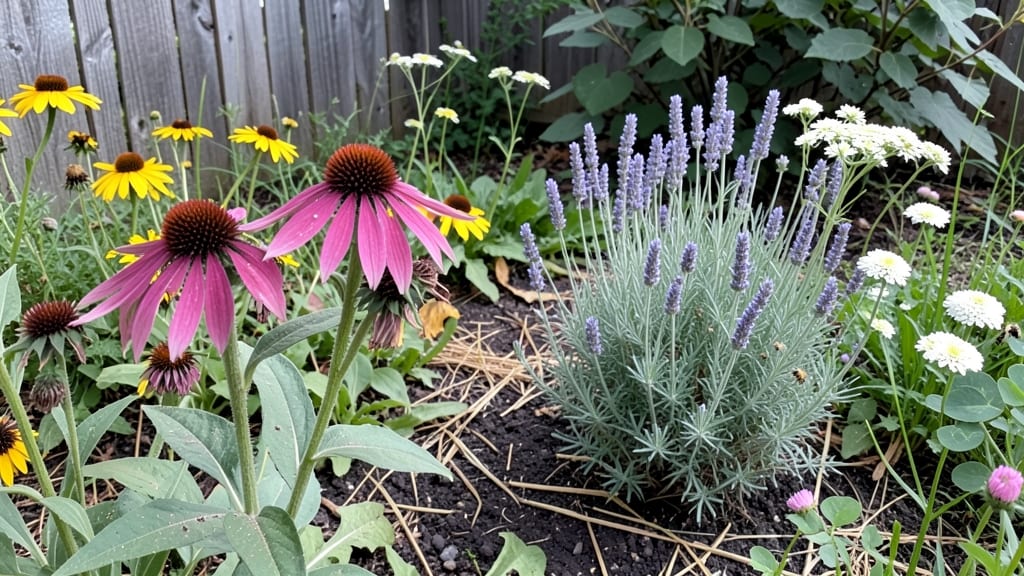
Your garden can burst with season-long color from wildflowers 🌼 without the endless weeding or high-maintenance fuss.
Tired of spending weekends weeding while your garden looks dull? Wildflowers offer a stunning, low-maintenance solution—bringing vibrant color, supporting pollinators, and thriving with minimal effort once established.
Unlike manicured annuals, wildflowers adapt to your soil and multiply naturally, creating a self-sustaining display that changes with the seasons. The key is choosing the right mix for your 6a zone and planting them in clusters rather than rows.
In this guide, I’ll show you how to pick wildflowers that bloom from spring through fall, where to tuck them into your design, and the simple tricks to keep them looking their best with almost no upkeep.
How to choose wildflowers for year-round garden beauty
Creating a garden that blooms from spring to fall without constant weeding starts with the right wildflower selection. The key lies in blending seasonal varieties that overlap in bloom times while matching your garden's light conditions.
Native wildflowers often require less water and attract local pollinators, making them ideal for low-maintenance beauty.
For year-round interest, mix early bloomers like Virginia bluebells (March-April) with summer favorites such as black-eyed Susans (June-August) and fall stars like goldenrod (September-October). This creates a continuous color palette that keeps your garden vibrant without gaps.
Your garden's sunlight exposure will dictate which wildflowers thrive. Full-sun areas (6+ hours daily) can handle tough, drought-resistant varieties like coneflowers or purple coneflower, while partial shade (3-6 hours) suits wild columbine or foxglove. Always check seed packets for specific light requirements.
Color coordination matters too! Plant tall varieties (4-6 ft) at the back, medium heights (2-4 ft) in the middle, and short ground covers (under 2 ft) at the front. This creates visual layers while preventing taller flowers from blocking sunlight for smaller plants.
Native wildflowers often outperform non-native species because they're adapted to your local climate and soil conditions. For example, wild bergamot thrives in dry, sandy soil common in the Midwest, while California poppies love well-draining soils in arid Western regions.
Consider your garden's maintenance goals when selecting varieties. Self-seeding annuals like cosmos will return year after year with minimal effort, while perennial wildflowers like bee balm establish quickly and spread gradually. Both options reduce weeding time significantly.
For pollinator-friendly gardens, include a mix of nectar-rich flowers like milkweed (for monarchs) and aster (for bees). These plants support local ecosystems while adding seasonal color. Even a small patch can make a difference for declining pollinator populations.
Soil preparation is crucial for wildflower success. Most varieties prefer well-draining soil with moderate fertility. Avoid heavy clay or waterlogged areas unless you're planting wetland-adapted species like swamp milkweed. A simple soil test can reveal if amendments like compost or sand are needed before planting.
Don't overlook deer-resistant varieties if you live in rural areas. Lobelia, yarrow, and phlox are often left alone by browsing deer, while daylilies and hostas might become a buffet. This saves you from constant replanting battles.
Finally, consider your garden's style and scale. A wildflower meadow requires more space and a relaxed approach, while container gardens or rock gardens need compact, low-growing varieties. Mixing textures and heights creates visual interest while keeping maintenance minimal.
🌼
| Wildflower Type |
Bloom Season |
Sunlight Needs |
Height Range |
Pollinator Value |
| Virginia Bluebells |
Spring (March-April) |
Partial Shade |
1-2 ft |
High (bees, hummingbirds) |
| Black-Eyed Susan |
Summer (June-August) |
Full Sun |
2-3 ft |
Very High (butterflies, bees) |
| Goldenrod |
Fall (September-October) |
Full Sun |
2-4 ft |
High (bees, late-season butterflies) |
| Coneflower (Echinacea) |
Summer-Fall (July-October) |
Full Sun to Partial Shade |
2-3 ft |
Exceptional (bees, butterflies, birds) |
| Milkweed (Butterfly Weed) |
Summer (June-August) |
Step-by-step guide to planting wildflowers without overrunning your garden
Wildflowers bring effortless beauty to gardens but can quickly spread if not managed properly. The key to a controlled, vibrant wildflower garden lies in preparation and spacing. With the right techniques, you can enjoy season-long color while keeping them from taking over your yard.
Let’s start with the essentials to create a pollinator-friendly space that stays lush and contained.
Before planting, choose a sunny, well-draining location—most wildflowers thrive in full sun with minimal soil nutrients. Avoid rich soil, as it encourages excessive foliage over blooms. If your soil is heavy clay or compacted, amend it with compost or sand to improve drainage.
This step is critical for preventing uncontrolled spread and ensuring healthy growth.
1
Prepare the Soil
Loosen the top 4-6 inches of soil with a rake or tiller. Remove any existing weeds or grass to prevent competition. For containment, outline your planting area with landscape fabric or a metal edging to block roots from spreading beyond your desired space.
2
Choose the Right Seeds
Select a wildflower mix suited to your climate and garden style. For containment, opt for short-statured varieties like black-eyed Susans or coreopsis. Avoid aggressive spreaders like Queen Anne’s lace unless you want them to naturalize in open areas.
3
Space Seeds Properly
Scatter seeds thinly—about 1/4 teaspoon per square foot. For controlled clusters, use a seed spreader or hand-sow in small groups. Overcrowding leads to weak, leggy plants and increases the risk of unwanted spread.
4
Plant Companion Plants
Surround wildflowers with low-growing perennials like creeping thyme or sedum to act as natural barriers. These plants suppress weeds and contain wildflower roots, keeping them from encroaching on other garden areas.
5
Water Gently
Keep soil moist but not soggy for the first 4-6 weeks. Use a gentle spray or drip irrigation to avoid disturbing seeds. Once established, wildflowers need little water—just occasional deep watering during dry spells.
6
Maintain with Minimal Effort
After the first year, wildflowers require almost no maintenance. Deadhead spent blooms to encourage reblooming, but avoid cutting back foliage until late winter to protect overwintering pollinators. Mulch lightly with straw to retain moisture and deter weeds.
One common mistake is assuming wildflowers are completely maintenance-free. While they’re low-maintenance, they still need occasional deadheading and annual soil checks. Over time, you’ll notice fewer weeds and more vibrant blooms as the wildflowers establish a self-sustaining ecosystem.
This is the magic of native wildflowers—they thrive with nature’s help.
If you notice wildflowers spreading beyond your desired area, simply trim back encroaching stems in early spring. This keeps them contained without harming the plants. With these steps, your garden will burst with color and life while staying neat and manageable for years to come.
Remember, the goal isn’t to eliminate all spread but to guide it intentionally. A well-planned wildflower garden becomes a living tapestry of color and movement, supporting bees, butterflies, and birds while adding charm to your outdoor space. Happy planting!
★★★★★4.6(7 reviews)
|