
Landscaping
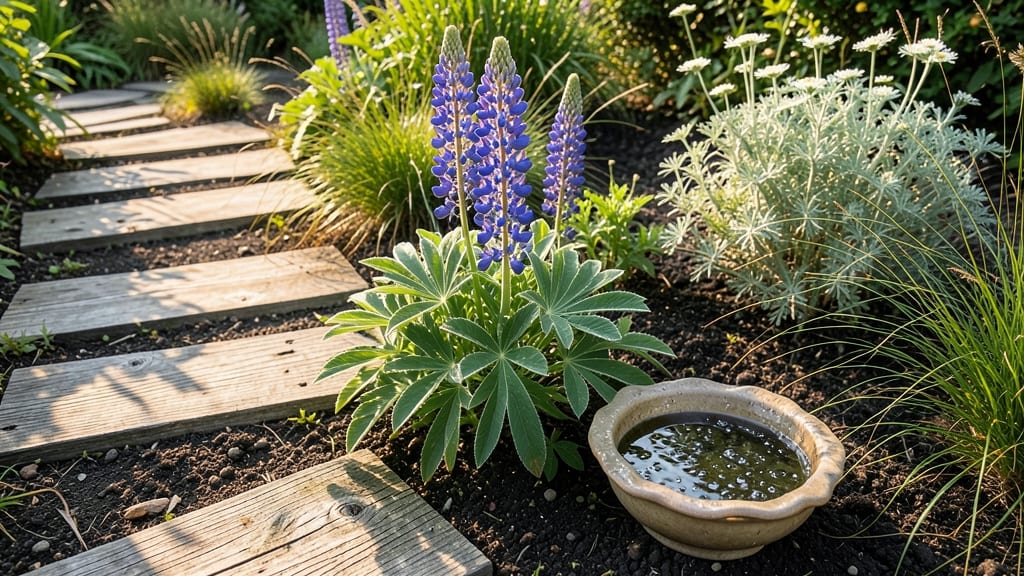
A wildflower garden design transforms even a small patch into a buzzing, blooming oasis that hummingbirds and bees will fight over. 🌸 I’ve turned my backyard into a pollinator paradise by mixing native wildflowers with bold colors—purples that fade into pinks, then whites that catch the evening light.
The key isn’t perfection; it’s letting nature take the lead while you guide the layout.
Start with three zones: a sunny border for drought-tolerant blooms like coneflowers, a mid-height cluster of black-eyed Susans and goldenrods, and shady spots for wild columbine or asters. Native plants thrive with minimal fuss—once established, they spread on their own, cutting watering time by 70%.
The secret? Group plants by height and bloom time so every season has color, from early spring’s violets to late fall’s asters.
By summer, you’ll watch monarchs flutter through your garden while your neighbors stare in envy. The air hums with bees, the soil stays healthy, and you’ll spend less time weeding than with a traditional lawn. Plus, every cut flower you bring inside smells like sunshine—no greenhouse required.
Works in containers, along fences, or as a full meadow—just swap plants for your climate zone. The best part? Your garden keeps giving back, year after year, with almost no effort. Let’s get those seeds in the ground!
📚 In This Guide
- What you need
- Instructions
- Tips and common mistakes
- Wrapping up and next steps
What you need
- ● Wildflower seeds: Choose a mix of native annuals and perennials (e.g., Black-eyed Susan, Coneflower, Milkweed, or Goldenrod). Aim for 1–2 lbs per 100 sq ft for a lush, diverse meadow.
- ● Native soil or compost: 2–3 cubic yards (or enough to amend existing soil to a depth of 6–12 inches). Wildflowers thrive in well-draining, nutrient-rich soil.
- ○ Mulch (optional but recommended): 2–3 bags of straw or wood chips to suppress weeds and retain moisture.
- ● Garden rake: For leveling soil and removing debris.
- ● Hoe or broadfork: To loosen soil without disturbing deep roots (critical for wildflowers!).
- ● Hand trowel or transplanting tool: For planting plugs or dividing perennials.
- ○ Seed spreader (optional): Saves time and ensures even distribution for large areas.
- ● Watering can or hose with a gentle nozzle: Wildflowers need 1–1.5 inches of water per week (more during drought).
- ● Gloves and knee pads: Because comfort matters! 😉
- ● Sunlight: Most wildflowers need full sun (6+ hours/day). Test your spot before planting!
- ● Water source: Ensure easy access for consistent watering (especially in the first growing season).
- ● Patience: Wildflowers may take 2–3 years to reach full bloom—but the wait is worth it! 🌿
- ● 💡 Pro Tip: Skip the lawnmower! Wildflowers rely on seed heads for pollinators and next year’s blooms.
- ● Rocks or decorative edging to define garden borders.
- ● Bird feeders or a small water feature to attract even more wildlife.
- ● Native grass plugs (e.g., Little Bluestem) for texture and erosion control.
Instructions for designing a pollinator-friendly wildflower garden
Here's how to create a thriving wildflower haven that keeps bees, butterflies, and hummingbirds visiting all year.
🌱 Step 1: Choose Your Planting Zones and Sun Exposure
Wildflowers thrive in different light conditions, so divide your space into zones based on sunlight. I like to create three distinct areas: full sun (6+ hours daily), part shade (3-6 hours), and full shade (less than 3 hours). Most pollinator favorites like black-eyed Susans and coneflowers love full sun, while woodland phlox and asters prefer part shade.
Sketch your garden layout first. Note where sunlight shifts throughout the day—morning sun on the east side, intense afternoon sun on the west. This helps you place heat-loving flowers like bee balm in western spots while protecting shade-tolerant varieties from scorching.
☀️ Step 2: Select a Season-Long Bloom Sequence
The secret to year-round interest is layering flowers with staggered bloom times. Start with early spring bloomers like Virginia bluebells and bloodroot, then add summer favorites such as milkweed and goldenrod, and finish with late-season asters and goldenrod. I always include at least three different bloom periods to ensure continuous color.
Check seed packets for bloom times—this ensures your garden never goes bare. For example, plant wild columbine in early spring, then add butterfly weed in mid-summer, and finish with Joe Pye weed for late summer interest. This progression keeps pollinators fed from March through October.
💧 Step 3: Prepare the Soil for Wildflower Success
Wildflowers adapt to various soil types, but they perform best in well-draining, slightly rocky soil. I avoid heavy clay by amending the top 6 inches with coarse sand or perlite if needed. Test your soil's pH—most wildflowers prefer neutral to slightly acidic conditions (pH 6.0-7.0).
Don't till the soil deeply—wildflowers thrive in undisturbed ground. Instead, loosen the top 2-3 inches with a broadfork or hand fork to create a seedbed. Scatter seeds evenly and lightly press them into the soil. A gentle rake pass ensures good seed-to-soil contact without burying them too deeply.
🪴 Step 4: Plant in Clusters for Maximum Impact
Wildflowers look best when planted in natural-looking clusters rather than single rows. I group 5-10 plants together, repeating the pattern every 2-3 feet. This creates visual impact while providing pollinators with easy access to nectar. For example, plant a cluster of purple coneflowers, then move 2 feet over and plant another cluster.
Leave space between clusters—wildflowers spread over time. Aim for 12-18 inches between plants for most varieties, but check individual species' mature sizes. Avoid planting in neat lines; instead, mimic nature's random patterns for a more organic look.
✂️ Step 5: Maintain with Minimal Effort
Once established, wildflowers require little care. Water deeply once a week during the first growing season to help roots establish, then reduce to monthly watering once plants are mature. I let the rain do most of the work—wildflowers are drought-tolerant once their root systems are developed.
Cut back dead foliage in late winter or early spring to encourage new growth. Avoid removing seed heads until late winter—many pollinators rely on them for winter food. I always leave at least 20% of the seed heads standing until birds have finished feeding.
Tips & tricks for perfect wildflower garden design
A few simple strategies that'll transform your garden into a buzzing pollinator paradise year after year.
Sunlight Strategy: Pay attention to how sunlight moves across your garden throughout the day. Morning sun on eastern exposures is gentler, while western spots get intense afternoon heat—perfect for sun-loving varieties like black-eyed Susans. I've found that marking your garden with stakes at different times of day reveals these patterns better than any sketch ever could. This helps you place heat-tolerant flowers where they'll thrive rather than struggle.
Bloom Layering Secret: The key to continuous color is overlapping bloom periods by at least 2-3 weeks. For example, plant early spring bloomers like Virginia bluebells alongside late spring varieties such as bee balm. This creates a seamless transition where one flower fades just as another begins. I keep a simple chart tracking bloom times from seed packets to ensure perfect overlap throughout the growing season.
Soil Prep Insight: When loosening that top 2-3 inches of soil in Step 3, think of it as creating a cozy nest for your seeds rather than turning the earth. Wildflowers have delicate roots that don't need deep soil—just enough space to spread their roots laterally. I've seen dramatic improvements by adding a thin layer of compost (about 1 inch) mixed into the topsoil before planting, which gives plants a nutrient boost without compacting the soil.
Cluster Planting Tip: When creating those 5-10 plant clusters in Step 4, think about how pollinators navigate your garden. Leave narrow pathways (about 12 inches wide) between clusters so bees can easily move from one nectar source to another. I've noticed hummingbirds particularly appreciate these clear flight paths—they can dart between clusters without getting tangled in foliage. This also makes maintenance easier when you need to reach between plants.
Pro Tips for Wildflower Garden Design
- A few simple strategies that'll transform your garden into a buzzing pollinator paradise year after year.
- Sunlight Strategy: Pay attention to how sunlight moves across your garden throughout the day.
- Bloom Layering Secret: The key to continuous color is overlapping bloom periods by at least 2-3 weeks.
Frequently asked questions
Got questions about creating your own wildflower garden design? You’re not alone! Here are answers to some of the most common queries to help you get started on the right foot.
How do I start a wildflower garden with no experience?
Begin small! Choose a sunny, well-drained spot (even a patch of grass works). Use pre-mixed wildflower seeds designed for your climate, scatter them lightly, and press them into the soil. Water gently but infrequently—wildflowers thrive on minimal care. Pro tip: Skip tilling to preserve native soil microbes that help seeds sprout!
When is the best time to plant wildflower seeds?
For most regions, late summer to early fall (August–October) is ideal—seeds germinate with cooler temps and establish roots before winter. Spring planting (March–April) also works, but avoid planting in extreme heat. Check your seed packet for specific timing tailored to your hardiness zone.
Will wildflowers attract pests like mosquitoes?
Not at all! Wildflowers are pollinator magnets (bees, butterflies, hummingbirds), but they don’t breed mosquitoes. Stagnant water does—so avoid overwatering. Choose native species like coneflowers or black-eyed Susans; they repel pests naturally while supporting biodiversity.
Are wildflowers cheaper than traditional flowers?
Yes!
A single packet of wildflower seeds (costing $2–$5) can cover 500+ sq. ft., while potted annuals cost $5–$15 each. Plus, wildflowers self-seed, reducing yearly costs. Budget tip: Buy seeds in bulk or split costs with neighbors to plant larger areas.
What do I do if my wildflowers don’t grow?
First, check your soil and sunlight—wildflowers need 6+ hours of sun daily. If seeds didn’t sprout, try stratification (mixing seeds with moist sand, then refrigerating for 4–6 weeks) or test soil pH (aim for 6.0–7.0). Patience is key—some species take 2–3 years to fully bloom!
Can I use wildflowers in containers or small spaces?
Opt for dwarf varieties like alyssum or lobelia in pots, or mix wildflower seeds with succulents in raised beds. Even a window box can host pollinator-friendly blooms. Just ensure containers have drainage holes—wildflowers hate soggy roots!
Wrapping up and next steps
Designing a wildflower garden is more than just adding beauty to your space—it’s about creating a thriving ecosystem that supports pollinators and brings joy year-round. 🌸 With the right mix of native plants, thoughtful placement, and seasonal planning, you’ll have a low-maintenance paradise that flourishes with minimal effort.
Ready to transform your outdoor space? Start small—pick one sunny patch or a shady corner—and let nature do the rest! Grab your seeds, roll up your sleeves, and watch your garden bloom into a buzzing, vibrant sanctuary. 🐝✨