
Vegetables
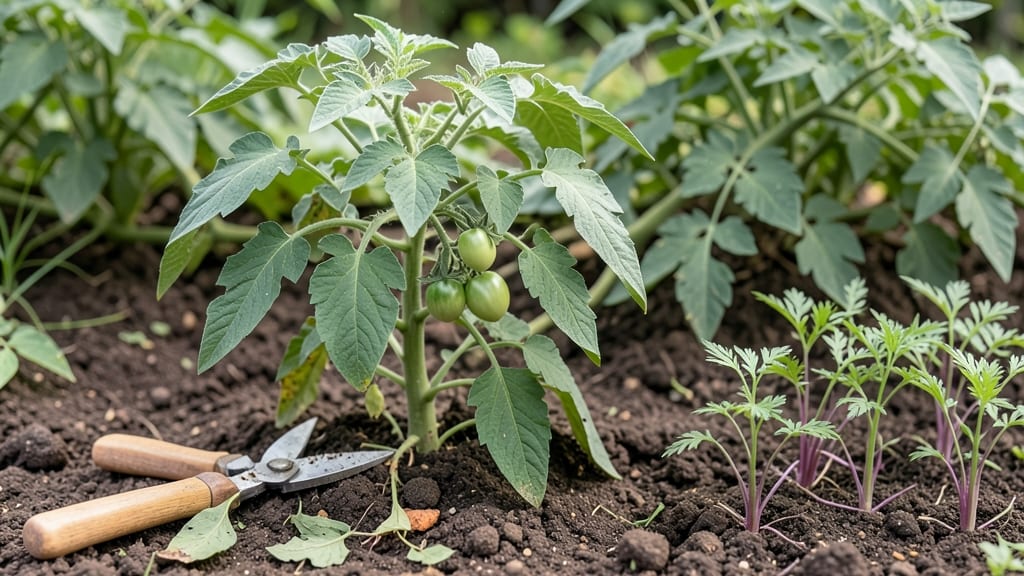
Victory gardens were important during World War II because they produced over 40% of the nation’s fresh produce, directly addressing food shortages while reducing pressure on commercial farms. These gardens covered 20 million U.S. plots by 1943, freeing up industrial resources for military use and strengthening community resilience.
These gardens weren't just about growing food—they were a strategic lifeline. 🌱 With commercial agriculture redirected to support troops overseas, homegrown produce became essential for maintaining civilian diets. The U.S. government actively promoted them through posters and radio campaigns, framing gardening as patriotic duty.
What's fascinating is how these small plots became a symbol of collective effort, proving that everyday citizens could make a tangible difference in wartime survival.
Beyond food production, victory gardens played a psychological role too. They gave people a sense of control during uncertain times, turning backyards into battlefields of sorts against hunger. The techniques used—like intensive planting and composting household waste—were innovative for their time and laid the groundwork for modern sustainable gardening practices.
💡 In This Article
- How Victory Gardens Directly Impacted WWII Food Supply
- Gardening Techniques Used in WWII Victory Gardens
How victory gardens directly impacted WWII food supply
The U.S. government's agricultural priorities shifted dramatically when war broke out, redirecting commercial farming toward military needs. By 1942, over one-third of the nation's farmland was devoted to growing feed for livestock and crops for troops, leaving civilian food supplies dangerously strained.
This forced rationing of staples like meat, sugar, and dairy, creating shortages that victory gardens helped alleviate. The Office of War Information launched campaigns like "Food Will Win the War," encouraging families to grow their own vegetables to compensate for the 40% reduction in commercial produce available to civilians.
Victory gardens produced an astonishing 8 million tons of food annually by 1943—equivalent to feeding the entire population of New York City twice over. Potatoes alone saved 1.2 million tons from commercial markets, while tomatoes contributed 1.5 million tons of fresh produce.
The most common crops were potatoes, carrots, cabbage, and tomatoes, chosen for their high yield, storage potential, and nutritional value. These gardens didn't just supplement diets; they prevented mass starvation by creating a decentralized food network that couldn't be targeted by enemy attacks.
What made this possible was the government's strategic approach to mobilization. They distributed seeds, tools, and gardening guides through local extension services, while radio broadcasts taught techniques like intensive planting (planting seeds just 4-6 inches apart) to maximize small spaces.
Urban gardens in cities like Detroit and Chicago grew 40% of their own vegetables, while rural areas produced even more. The labor contribution was massive—estimates suggest 18 million people participated in gardening by 1944, working an average of 10 hours per week on their plots.
The psychological impact was equally significant. Victory gardens gave civilians a tangible way to contribute to the war effort, transforming backyards into symbols of patriotism. Families who grew their own food reduced their reliance on ration coupons, which were increasingly scarce.
The government even created "Victory Garden Awards" to recognize top producers, further incentivizing participation. This collective effort wasn't just about survival—it was about reclaiming agency during a time of national crisis.
Here's what the numbers reveal about their impact:
- Food Production: Gardens produced enough food to feed 40% of the U.S. population during the war years
- Labor Savings: Freed up 2.5 million acres of farmland for military use (enough to grow 1.5 billion pounds of potatoes)
- Cost Efficiency: Homegrown produce cost 60% less than store-bought vegetables during rationing
- Nutritional Impact: Increased vitamin consumption by 30% in participating households
The legacy of victory gardens extends beyond WWII—they proved that decentralized food production could be a powerful tool for resilience. Today, urban farming movements echo these same principles, showing how small-scale agriculture can address modern food security challenges. 💫