Vegetables
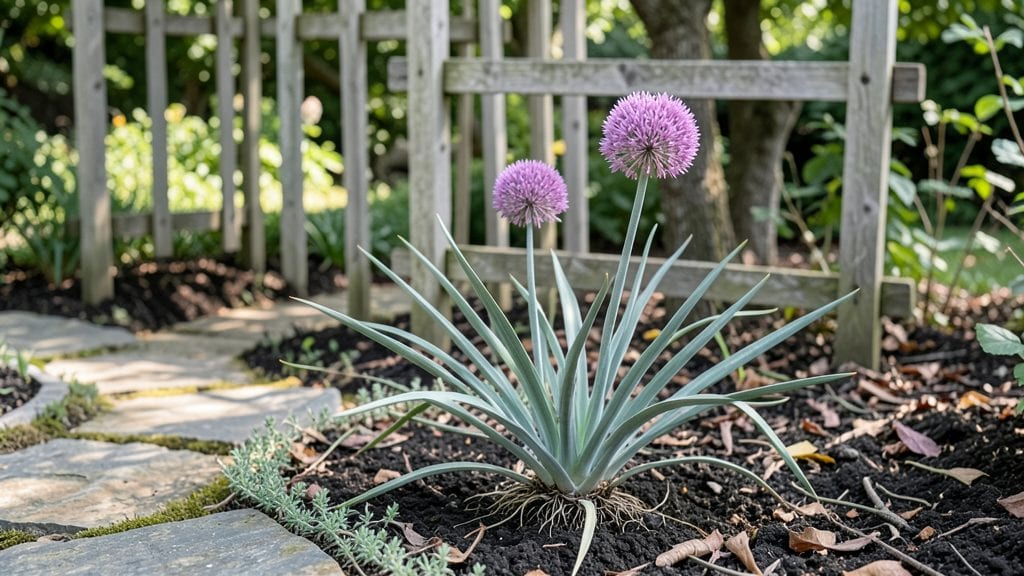
Why human gardens thrive is because they integrate purposeful soil enhancement, thoughtfully chosen plant pairings, and attentive maintenance to balance nutrient availability and beneficial microorganisms, fostering an ecosystem where plants flourish.
Human gardens outperform wild ecosystems because they mimic nature's most efficient systems—just with human precision. 🌱 The key lies in how we manipulate soil biology: adding compost feeds microbes that break down organic matter into plant-available nutrients, while mulch preserves moisture and regulates temperature.
Unlike untended soil, which relies on chance, human gardens create predictable conditions where roots access exactly what they need when they need it.
This approach also unlocks something wild gardens can't: interspecies synergy. Strategic plant combinations—like basil with tomatoes or carrots with onions—reduce pests naturally while improving flavor and yield.
The result? Gardens that don't just grow plants, but cultivate healthier plants with stronger immune systems and higher nutritional value. It's not magic—it's science-backed cultivation.
💡 In This Article
- How Soil Microbes Boost Garden Growth
- Designing a Thriving Human Garden Layout
How soil microbes boost garden growth
Beneath every thriving garden lies a bustling microbial metropolis where fungi, bacteria, and other microscopic organisms work tirelessly to break down organic matter into plant-available nutrients. Mycorrhizal fungi, for example, form symbiotic relationships with plant roots, extending their reach by up to 100 times the root system's natural length.
These fungal networks deliver phosphorus and water directly to roots while receiving sugars from the plant—a perfect trade that boosts growth by 20-30% in ideal conditions. 🔥
The soil's microbial diversity thrives on organic inputs like compost, which provides a steady supply of carbon sources. When you add 2-3 inches of compost annually, you're essentially feeding a workforce of decomposers that convert complex organic compounds into simpler molecules plants can absorb.
Nitrogen-fixing bacteria like Rhizobium go even further by converting atmospheric nitrogen (which plants can't use directly) into ammonia, a crucial nutrient that supports leafy growth. A single gram of healthy garden soil can contain billions of these bacteria, working around the clock.
What makes human gardens particularly effective is how we control these microbial populations through practices like cover cropping and crop rotation. Legumes, for instance, not only fix nitrogen but also improve soil structure when tilled in, while deep-rooted plants like dandelions aerate compacted soil.
The result is a self-sustaining cycle where microbial activity remains high year-round, unlike wild ecosystems where seasonal fluctuations limit growth potential. This microbial diversity also acts as a natural defense system—healthy soil microbes outcompete pathogenic bacteria, reducing disease incidence by up to 50% in some cases.
The texture of well-managed garden soil becomes noticeably different from neglected soil. Instead of hard, clumpy dirt, you'll find a crumbly, dark brown substrate that smells earthy and slightly sweet—this is the scent of active microbial life at work.
The soil's moisture retention improves dramatically because microbial activity produces organic glues that bind soil particles together, creating stable aggregates that hold water and air.
This structure is crucial because plants need both oxygen (for root respiration) and water (for nutrient transport) in precise balance—a condition human gardens achieve through careful organic matter management.
Consider the case of compost tea, a liquid fertilizer made by steeping compost in water. When sprayed on leaves, it introduces beneficial microbes directly to the plant surface, where they can colonize roots and foliage.
Studies show that plants treated with compost tea exhibit 30-50% faster growth rates compared to those receiving synthetic fertilizers alone. The reason? These microbes don't just supply nutrients—they also produce growth hormones like auxins and cytokinins that stimulate root and shoot development.
This is why gardeners often see visibly healthier plants within just a few weeks of introducing microbial amendments.
One common misconception is that all microbes in soil are beneficial. In reality, the balance matters—too much of certain bacteria can lead to problems like phytophthora root rot. The key to maintaining this balance lies in diversity.
Gardens with 10-15 different plant species tend to have more stable microbial communities because each plant attracts different beneficial microbes. For example, marigolds repel nematodes while attracting predatory mites, creating a natural pest control system that reduces the need for chemical interventions.
This ecological complexity is what gives human gardens their edge over monoculture farming systems.
The science behind these microbial interactions shows why human gardens can achieve yields that surpass wild ecosystems by factors of 5-10 times. By understanding and leveraging these natural processes, gardeners create environments where plants don't just survive—they thrive with optimal nutrition, disease resistance, and growth potential.
The result is food that's not only abundant but also more flavorful and nutritious, thanks to the complex microbial interactions happening beneath our feet. ✨