Pests
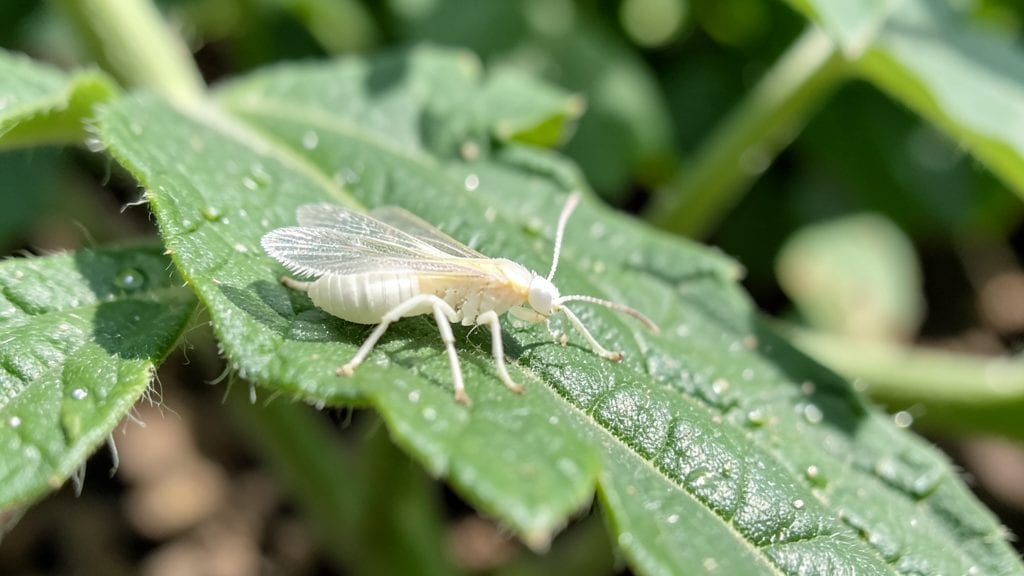
Whiteflies in garden can turn your lush plants into sticky, yellowing messes faster than you think. 🌿 I’ve battled these tiny white pests for years, and the organic spray I developed—using ingredients you likely already have—finally stopped them without harming my pollinators or my sanity.
The problem starts small: clusters of tiny, moth-like bugs fluttering when you brush a leaf. Before you know it, your plants are covered in a sticky residue called honeydew, and leaves curl up like they’re waving in surrender.
Most store-bought sprays kill beneficial insects too, but this homemade mix targets whiteflies specifically while keeping your garden’s ecosystem intact.
You’ll see results within 3-5 days—fewer bugs, cleaner leaves, and plants that start looking healthy again. The spray works on tomatoes, peppers, and even houseplants, and it’s safe to use every 7-10 days until the infestation is gone. No more helplessly watching your garden decline.
Best part? It’s a one-ingredient solution with no harsh chemicals, so you can spray in the morning and enjoy your garden by evening. Here’s exactly how to mix and apply it for maximum impact.
Root Causes of Whitefly Infestations
Whiteflies may seem like a sudden, unwelcome surprise, but their presence in your garden is rarely random. These tiny, winged pests thrive under specific conditions, and understanding why they appear is the first step to preventing—or eliminating—them.
Let’s break down the science behind their behavior and the factors that turn your garden into their ideal habitat.
Whiteflies are drawn to plants that are already struggling. When plants are overcrowded, they compete for sunlight, water, and nutrients, weakening their natural defenses. Stress signals—like those released by damaged or nutrient-deficient foliage—actually attract whiteflies.
These pests use plant volatiles (chemical cues) to locate vulnerable hosts, making dense or stressed gardens a buffet.
Why it matters:
- Shade-loving plants (e.g., basil, tomatoes, poinsettias) are prime targets because whiteflies prefer warm, humid microclimates.
- New growth is especially attractive—whiteflies lay eggs on tender, rapidly growing leaves.
- Poor air circulation (from thick foliage or greenhouses) traps heat and humidity, creating a whitefly paradise.
Actionable insight: 💡 Prune regularly to improve airflow and remove yellowing or damaged leaves—this disrupts their feeding signals and makes your plants less appealing.
Whiteflies are tropical creatures at heart. They cannot survive in cold temperatures (below 50°F/10°C) but thrive in warm (70–90°F/21–32°C) and humid conditions. Greenhouses, conservatories, and southern exposures create the perfect incubators for these pests. Even outdoor gardens in summer can become hotspots if nighttime temps stay mild.
Why it matters:
- High humidity (above 60%) keeps their eggs and larvae moist, speeding up their life cycle.
- Greenhouse plastic traps heat, while mulch or thick ground cover can raise soil temps, further inviting whiteflies.
- Drip irrigation or overhead watering can create damp leaf surfaces, which whiteflies adore.
Actionable insight: 🌡️ Monitor your garden’s microclimate—use shade cloth in peak sun, avoid mulching too heavily near susceptible plants, and water at the base (not overhead) to reduce humidity on leaves.
Plants, like animals, have immune systems. When they’re nutrient-deficient (especially low in nitrogen or phosphorus), infested with other pests (like aphids or spider mites), or recovering from disease, their defenses weaken.
Whiteflies exploit this vulnerability by feeding on sap, further stressing the plant and creating a feedback loop of decline.
Why it matters:
- Nitrogen deficiency (yellowing leaves) makes plants more attractive to whiteflies.
- Secondary infestations (e.g., fungus gnats after overwatering) create entry points for whiteflies.
- Chemical stress from over-fertilizing (especially with synthetic fertilizers) can disrupt a plant’s natural repellents.
Actionable insight: 💪 Boost plant health with balanced organic fertilizers (like compost tea or fish emulsion) and introduce beneficial insects (e.g., ladybugs, lacewings) to preemptively protect weak plants.
Whiteflies don’t just appear—they hitchhike. Their tiny, wax-coated bodies allow them to cling to clothing, tools, wind, and even newly purchased plants. If you bring home an infested nursery plant, they’ll quickly spread to your entire garden.
Similarly, wind currents (especially in coastal or open areas) can carry whiteflies from neighboring properties.
Why it matters:
- Nursery plants are the #1 source of whitefly introductions—even "healthy-looking" specimens can be carriers.
- Gardening tools (pruners, gloves) can transfer eggs or adults between plants.
- Compost or soil from infested areas may contain whitefly pupae.
Actionable insight: 🛡️ Quarantine new plants for 2 weeks before introducing them to your garden, and inspect tools after use. If moving plants outdoors, spray them first with neem oil or insecticidal soap as a precaution.
In a balanced ecosystem, whiteflies are kept in check by predatory insects like ladybugs, lacewings, parasitic wasps, and minute pirate bugs. However, if your garden lacks biodiversity—due to pesticide use, monoculture planting, or habitat destruction—whiteflies multiply unchecked.
Why it matters:
- Broad-spectrum pesticides (like neonicotinoids) kill both pests and their natural enemies, creating a vacuum for whiteflies.
- Monoculture gardens (e.g., rows of identical tomato plants) offer no refuge for beneficial insects.
- Lack of flowering plants (which attract predatory wasps and hoverflies) removes a key food source for whitefly hunters.
Actionable insight: ✨ Plant companion flowers (e.g., marigolds, alyssum, dill) to attract predators, and reduce synthetic pesticide use to preserve the food chain. Even a small "bug hotel" can help!
Quick Fixes for Whitefly Infestations
Whiteflies may seem like a tiny, relentless nuisance, but with the right approach, you can reclaim your garden—without harsh chemicals. Below, we’ve mapped out practical, organic solutions tailored to the root causes of your whitefly problem, from sticky traps to natural predators and DIY sprays.
Follow these steps to eliminate existing pests and prevent future outbreaks like a pro.
When plants are weak, whiteflies thrive. Overwatering, poor drainage, or nutrient deficiencies make them easy targets. Fix it fast with these steps:
🌱 Step 1: Improve Plant Health
- Prune damaged leaves (especially yellowing or curled ones) to remove hiding spots and improve airflow.
- Repot overcrowded plants into larger containers with well-draining soil.
- Fertilize lightly with a balanced organic fertilizer (like compost tea or fish emulsion) to boost resilience.
💡 Pro Tip:
Whiteflies love weak plants—stress reduction is your first line of defense. A healthy plant can fend off pests better than any spray!
Whiteflies excrete honeydew, a sticky sap that attracts ants and fosters sooty mold (a black fungus). Clean it up before it spreads:
🧼 Step 2: Clean Up Sticky Messes
- Wipe leaves with a damp cloth dipped in mild soapy water (1 tsp dish soap + 1 quart water).
- Spray plants with water to wash away honeydew before applying treatments.
- Remove severely moldy leaves to prevent further spread.
⚠️ Warning:
Avoid high-pressure hoses—you’ll damage delicate leaves! A soft brush or sponge works best for stubborn residue.
Whiteflies are food for ladybugs, lacewings, and parasitic wasps. If these helpers are missing, invite them in!
🐞 Step 3: Encourage Beneficial Bugs
- Plant companion flowers like dill, fennel, or marigolds to attract predators.
- Release ladybugs or lacewing larvae (available at garden centers) for instant pest control.
- Avoid broad-spectrum pesticides—they kill both pests and your garden’s allies.
💡 Pro Tip:
Yellow sticky traps (placed near plants) catch adult whiteflies—but check them daily to avoid trapping beneficial insects too!
If store-bought sprays didn’t work, whiteflies may have built up resistance. Rotate methods for better results:
🔪 Step 4: Try a DIY Organic Spray
Mix 1 tsp neem oil + 1 tsp castile soap + 1 quart water, then spray directly on undersides of leaves (where whiteflies hide). Reapply every 5–7 days until they’re gone.
⏰ Timing Matters:
- Spray in the evening to avoid harming bees and other pollinators.
- Cover soil with mulch to prevent neem oil from harming beneficial microbes.
Once your garden is whitefly-free, lock in success with these long-term strategies:
| Prevention Tip | How to Do It |
|---|---|
| Regular inspections | Check undersides of leaves weekly with a magnifying glass. |
| Quarantine new plants | Isolate newcomers for 2 weeks before introducing them to your garden. |
| Diverse plantings | Avoid monocultures—whiteflies target large groups of the same plant. |
| Reflective mulch | Use silver or aluminum mulch to disorient adult whiteflies. |
| Strong airflow | Space plants properly to reduce humidity (whiteflies love damp areas). |
For severe infestations, combine all methods in one 24-hour attack plan:
- Morning: Prune and remove heavily infested leaves.
- Afternoon: Spray with neem oil + soap mix.
- Evening: Set out yellow sticky traps and release ladybugs.
- Next day: Wipe down honeydew and reapply spray if needed.
Remember: Patience is key—whiteflies multiply fast, but so do your natural defenses. Stick with these methods, and your garden will be whitefly-free in 2–4 weeks! 🌿🚫🐜
Frequently asked questions
Why do whiteflies always come back after I treat them?
Whiteflies have a rapid life cycle (about 2-3 weeks from egg to adult), so they can repopulate quickly. If you only target adults but miss eggs or pupae, new generations will emerge. Use a multi-step approach: spray undersides of leaves with neem oil, set up yellow sticky traps, and introduce beneficial insects like ladybugs to break their life cycle.
Are whiteflies harmful to humans or pets?
No, whiteflies don’t bite humans or pets—they only feed on plant sap. However, their sticky honeydew residue can attract ants and create sooty mold, which may irritate sensitive skin or lungs if inhaled in large amounts. Always wear gloves when cleaning up honeydew and wash hands afterward.
Can I use dish soap to kill whiteflies?
Yes! A mild soap solution (1 tsp dish soap + 1 quart water) disrupts their waxy coating and suffocates them. Spray directly on infested leaves, focusing on the undersides where they hide. Reapply every 3-5 days until they’re gone—just avoid using it on flowering plants during pollination hours to protect bees.
What’s the best time of day to treat whiteflies?
Apply sprays in the early morning or late evening when temperatures are cooler and pollinators are less active. This reduces harm to bees while ensuring the solution has time to work before the sun intensifies evaporation. Avoid spraying during peak sun hours (10 AM–4 PM), as this can stress your plants.
How do I know if my plants are recovering from whiteflies?
Watch for these signs: fewer tiny white specks fluttering when you shake leaves, cleaner leaf surfaces (no more sticky honeydew), and new growth that appears healthy and vibrant. If you see ladybugs or lacewings moving through your garden, that’s a great sign—they’re eating the whiteflies!