
Picking
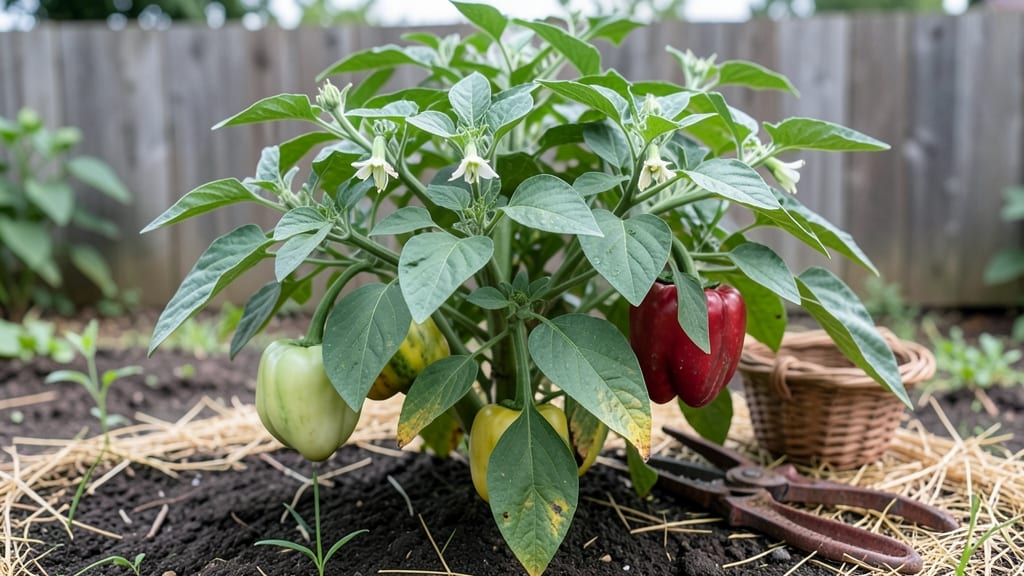
Picking bell peppers from the garden occurs when they reach full color—green, yellow, orange, or red—while still firm and glossy, typically 60-90 days after transplanting, depending on variety. Harvest before they soften or lose vibrancy to ensure peak flavor and crispness.
Timing your harvest right transforms these vegetables from bland to bursting with flavor. 🌱 The color shift isn't just about looks—green peppers pack a sharper bite, while red ones develop up to 11 times more vitamin C and a sweeter profile.
I’ve noticed that morning harvests yield the crispest peppers since evening heat can make them softer, and always twist stems gently to avoid tearing the plant’s delicate skin.
Pro tip: Check for a slight give when pressed—that’s your cue they’re ready. Overripe peppers turn mealy and lose their vibrant hue, so don’t wait too long! Storing them at room temperature (not the fridge) keeps them fresh longer, preserving that garden-fresh snap you’re after.
💡 In This Article
- Bell Pepper Ripening Stages by Color
- Optimal Harvesting Tools and Techniques
Bell pepper ripening stages by color
The transformation from green to red isn't just a visual spectacle—it's a biochemical symphony. Here's what's actually happening: Green peppers stay that way because they're packed with chlorophyll, the same pigment that makes leaves green.
This chlorophyll masks other pigments like carotenoids (yellow/orange) and lycopene (red) that develop as the pepper matures. The key factor is sunlight exposure—more light triggers the breakdown of chlorophyll and production of these vibrant pigments. 🌿
Each color stage brings distinct flavor and nutritional profiles. Green peppers, harvested early, contain about 120 mg of vitamin C per 100g and have a sharper, slightly bitter taste due to higher levels of capsaicin (even though they're not hot).
As they ripen to yellow, orange, and finally red, the vitamin C content can increase dramatically—red peppers often contain up to 11 times more vitamin C (around 183 mg per 100g) while developing sweeter, fruitier flavors. The sugar content nearly doubles from green to red stages!
What most people don't realize is how texture changes through ripening. Green peppers have the crispest, most firm walls because their cell structure remains tight. As they ripen, the cell walls soften slightly, creating a more tender texture—though they should never become mushy.
The red stage offers the perfect balance of sweetness and tenderness, making them ideal for both fresh eating and cooking. 🍅
This ripening process also affects storage life. Green peppers can last 1-2 weeks in the fridge, while red peppers only keep for 5-7 days due to their softer cell structure. The trade-off?
That shorter shelf life means you're getting peppers at their peak flavor window. For gardeners, this means timing your harvests carefully—especially if you're growing multiple varieties with different ripening schedules.
Consider these key factors when choosing which stage to harvest:
- Flavor preference: Green for tangy, yellow/orange for balanced sweet-tangy, red for maximum sweetness
- Nutritional needs: Red for vitamin C boost, green for capsaicin (though minimal)
- Texture requirements: Green for crisp salads, red for softer dishes like stuffing
- Storage plans: Green lasts longer if you won't use them immediately
The science behind this involves ethylene gas production, which accelerates as peppers ripen. Ethylene triggers the breakdown of chlorophyll and synthesis of carotenoids. Interestingly, some varieties produce more ethylene than others—this is why some peppers ripen faster than their color suggests.
For example, 'Red Knight' peppers develop their full red color in about 75 days, while 'Jupiter' may take 90 days to reach the same stage. 🌈
Pro tip: Don't wait for perfect color if you're in a hurry—peppers can continue ripening slightly after picking, especially if stored at room temperature (around 68-72°F). This post-harvest ripening works best for yellow and orange stages, giving you a few extra days to enjoy that perfect balance of flavors.