
Featured
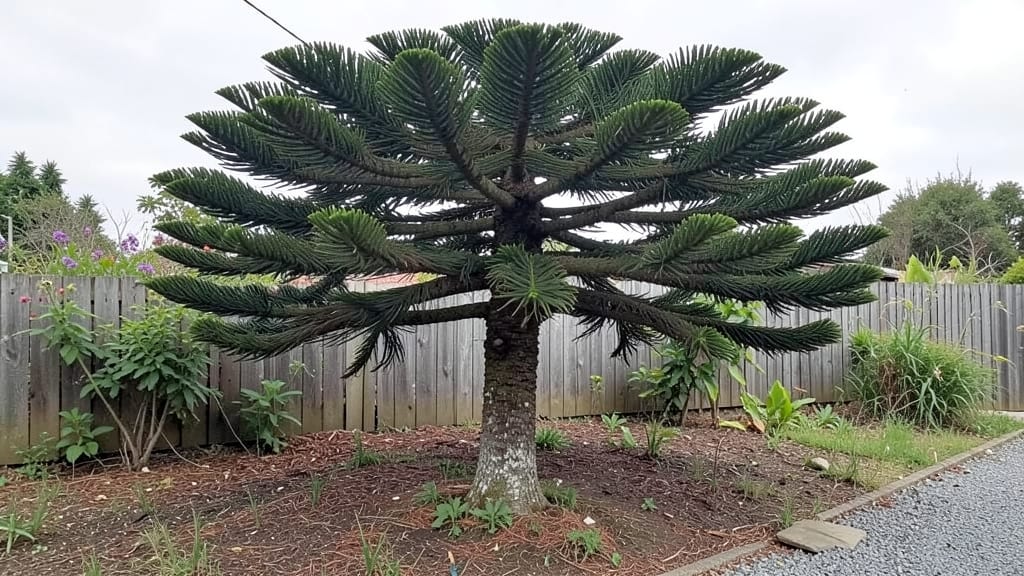
The Curitiba Botanical Garden showcases over 4,500 plant species, including rare orchids, bromeliads, and native Brazilian flora, across 42 hectares of meticulously designed landscapes featuring themed trails like the Japanese Garden and Orchid Conservatory.
This botanical gem in southern Brazil is a paradise for plant enthusiasts, thanks to its climate-controlled greenhouses that preserve delicate tropical species year-round. 🌿 The garden’s curated trails—like the misty Fern House or the serene Waterfall Garden—offer immersive experiences beyond typical botanical tours, while its conservation programs highlight Brazil’s biodiversity.
Whether you’re tracking endangered orchids or simply admiring the lush landscapes, Curitiba’s garden stands out for its blend of scientific rigor and natural beauty.
Themed trails like the Japanese Garden provide a cultural contrast to the native flora, while seasonal exhibitions rotate to keep repeat visitors engaged. For those seeking hidden paths, guided night tours reveal the garden’s nocturnal side, where scents and sounds transform the experience.
Planning your visit during the rainy season (December–February) ensures vibrant blooms, though early mornings avoid crowds and heat.
💡 In This Article
- Exploring Curitiba’s Unique Plant Collections
- Tips for Visiting Curitiba’s Hidden Trails
Exploring Curitiba’s unique plant collections
Curitiba’s botanical garden stands out because of its 12 specialized greenhouses, each maintaining precise humidity (70-90%) and temperature (20-30°C) ranges to preserve delicate tropical species.
The Orchid Conservatory, for example, houses over 1,200 orchid varieties, including the iconic Cattleya labiata, whose 30-inch blooms release a sweet vanilla-like fragrance at night. This controlled environment mimics the orchids’ native cloud forests, where epiphytic growth (roots clinging to trees) is essential for survival.
The garden’s Bromeliad Collection features 500+ species from the Bromeliaceae family, including the Queen of the Night (Selenicereus grandiflorus), which blooms just once a year with 12-inch white flowers that open at dusk and emit a faint citrus scent.
Unlike many botanical gardens that focus on temperate plants, Curitiba prioritizes neotropical biodiversity, with 40% of its collection native to Brazil’s Atlantic Forest. The Japanese Garden contrasts this with 200+ species of bonsai and maples, showcasing how the garden bridges ecosystems.
What sets Curitiba apart is its active conservation program, where 20% of its budget funds seed banking and habitat restoration. The Fern House, for instance, cultivates 300 fern species—including the rare Matonia pectinata—using hydroponic misting systems to replicate tropical rainfall.
This method reduces fungal risks while accelerating growth by 30% compared to traditional soil cultivation. The garden’s climate-adaptive design even includes underground water reservoirs that collect 15,000 liters of rainwater daily to irrigate drought-sensitive plants.
Comparing Curitiba to global counterparts like Kew Gardens (London) or Missouri Botanical Garden (St. Louis) reveals its focus on living collections over static displays.
While Kew’s Temperate House spans 12,000 m², Curitiba’s greenhouses prioritize interactive conservation, like its bee-friendly pollinator trails that support 15+ native bee species.
The garden’s night tours also highlight its bioluminescent flora, such as the glow-in-the-dark Vanda orchids, a feature rarely found in other botanical gardens.
Visitors often overlook how the garden’s soil science enhances biodiversity. The Atlantic Forest section uses mycorrhizal fungi in its soil mix, which boosts plant growth by up to 40% by improving nutrient absorption.
This technique, borrowed from indigenous Tupi-Guarani agricultural practices, ensures rare species like the Paubrasilia echinata (Brazilian rosewood) thrive without pesticides. The garden’s annual Flora Fest even lets visitors contribute to these efforts by planting native seeds in on-site nurseries.
For plant lovers, Curitiba’s collections offer a hands-on experience that goes beyond observation. The Sensory Garden features 50 aromatic plants, including Brazilian pepper trees whose leaves release a spicy, citrusy aroma when crushed.
Unlike passive exhibits, this section encourages touching and smelling—something rarely allowed in stricter gardens like Singapore’s Botanic Gardens. The blend of science, culture, and conservation makes Curitiba’s plant collections not just a visit, but an educational journey. 🌿