
Companion Plants
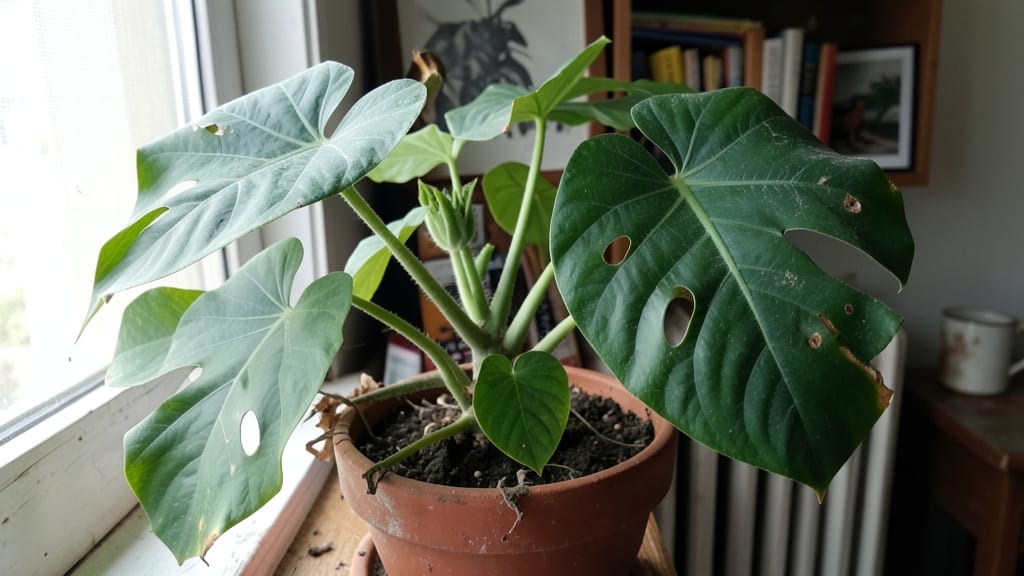
Gardening tropical plants 🌺 turns your home into a thriving rainforest—if you pick the right species and nail the care routine.
Picture this: your living room filled with lush ferns, vibrant orchids, and glossy monstera leaves, all without a single dead branch in sight. The secret? Mimicking their natural humid, warm environment indoors.
These aren’t just pretty faces—they clean the air, lift your mood, and adapt surprisingly well when you get the basics right.
But here’s the catch: tropical plants hate dry air and drafts. Too little humidity and you’ll end up with crispy edges on your calatheas or wilting hibiscus. Too much water? Root rot sets in faster than you can say "jungle disaster."
The good news? With the right setup—think pebble trays, strategic lighting, and a consistent watering schedule—you can keep them happy year-round, even in USDA zones 10-12 or colder climates.
In this guide, I’ll walk you through the top 10 easiest tropical plants for beginners, how to recreate their ideal humidity, and the simple fixes for when things go wrong. No green thumb required—just a willingness to learn.
Top 10 humidity-loving tropical plants for indoor gardening
Transforming your home into a tropical oasis is easier than you think with the right humidity-loving plants. These varieties don’t just survive indoors—they thrive, adding lush greenery while purifying the air.
The key? Choosing plants that naturally love high humidity and mimicking their native environments. Whether you’re a beginner or seasoned gardener, these low-maintenance tropicals will reward you with stunning foliage and minimal fuss.
Many tropical plants originate from rainforests where humidity levels hover around 70-80%. Replicating these conditions indoors—through misting, pebble trays, or humidifiers—helps prevent common issues like brown leaf tips or stunted growth.
Below, I’ve curated the top 10 tropical plants that adapt beautifully to indoor life, complete with their unique care needs and why they’re perfect for your space.
| Plant | Humidity Needs | Light Requirements | Care Tips | Mature Size |
|---|---|---|---|---|
| Monstera Deliciosa | 60-80% | Bright, indirect light | Wipe leaves weekly; rotate for even growth | 6-10 ft tall |
| Philodendron | 50-70% | Low to medium light | Prune leggy vines; water when topsoil dries | 2-10 ft (varies by type) |
| Calathea Orbifolia | 70-90% | Medium to low light | Keep away from drafts; mist leaves daily | 2-3 ft tall |
| Fiddle Leaf Fig | 40-60% | Bright, indirect light | Use room-temperature water; avoid cold drafts | 10-12 ft tall |
| Bird of Paradise | 50-70% | Full sun to partial shade | Fertilize monthly in spring/summer | 4-6 ft tall |
| Peace Lily | 40-60% | Low to medium light | Yellow leaves = overwatering; droop = thirst | 2-4 ft tall |
| Pothos | 40-50% | Low to bright indirect | Thrives in hanging baskets; fast-growing | 10-20 ft (trailing) |
| ZZ Plant | 30-50% | Low light tolerance | Drought-tolerant; water every 2-3 weeks | 2-4 ft tall |
| Spider Plant | 40-60% | Bright, indirect light | Produces "pups"; great for hanging | 1-2 ft tall |
| Alocasia Polly | 70-80% | Medium to bright indirect | Keep
How to create the perfect humidity environment for tropical plantsTropical plants crave 60-80% humidity to mimic their natural rainforest habitats. Without this, their leaves crisp, growth stalls, and pests like spider mites move in. The good news? You don’t need a greenhouse—just a few clever tricks to recreate their ideal environment. Start by understanding that humidity and airflow must work together. Stagnant air breeds mold, while dry air causes stress. Balance is key! First, identify the three biggest culprits of low humidity in indoor spaces: heating systems, air conditioning, and dry winter air. These can drop humidity levels to as low as 20-30%, shocking your tropical plants. The solution? Layered approaches that combine passive methods (like plant grouping) with active tools (like humidifiers) for maximum impact. Let’s dive into the steps that’ll have your plants thriving in no time.
Now, let’s talk about common mistakes that sabotage humidity efforts. Overwatering is a top offender—soggy soil leads to root rot, not higher humidity. Always check the top inch of soil before watering. Another pitfall is blocking all airflow. While humidity is crucial, stagnant air invites pests and diseases. Use a small fan on low setting near your plants to improve circulation without drying them out. For long-term success, combine these methods with seasonal adjustments. In winter, when indoor air is driest, run a humidifier near your plants overnight. In summer, move them to shadier spots and increase misting frequency. Monitor your plants’ response—healthy, glossy leaves mean you’re on the right track! With these tips, your tropical plants will flourish year-round, no matter your home’s natural humidity levels. Remember, the goal is to mimic nature, not replicate it perfectly. Start with one or two methods, observe how your plants react, and adjust as needed. Before you know it, your home will feel like a mini tropical paradise! 🌿💧 |