
Planting
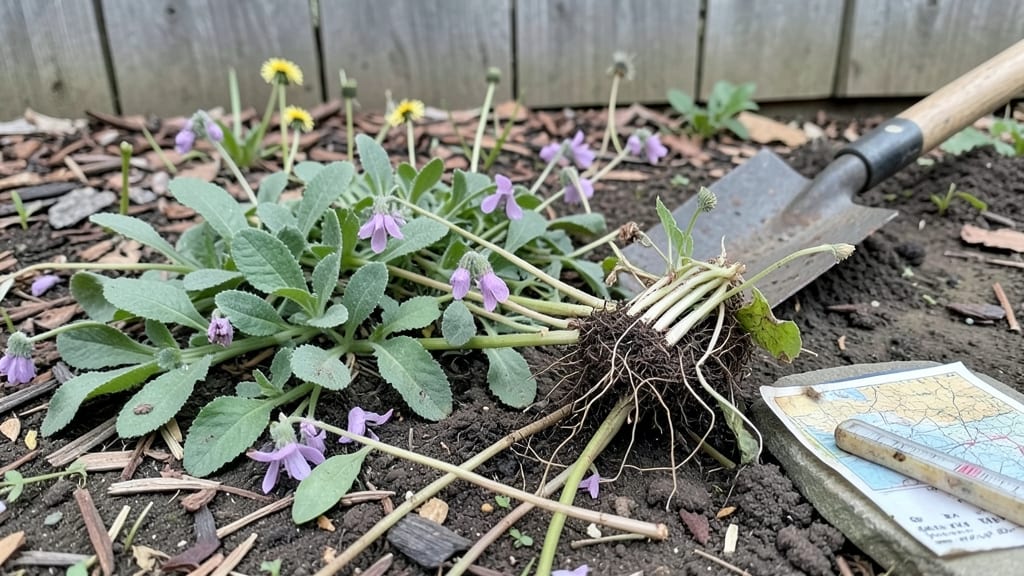
Gardening zones mean climate-based regions that classify average minimum winter temperatures, helping gardeners select plants suited to their local growing conditions for healthier growth and survival. These zones, numbered 1-14, guide planting decisions by aligning plants with temperature ranges they can tolerate.
Understanding your gardening zone is like having a climate report for your yard—it tells you which plants will thrive year-round based on your area's coldest average winter temperatures. 🌱 For example, a Zone 5 gardener can safely grow hearty perennials like coneflowers, while a Zone 10 gardener might focus on citrus or bougainvillea.
The USDA updates these zones every 10 years to reflect shifting climate patterns, so checking your zone ensures you're making informed choices for both new plants and established landscapes.
What makes this system so useful is how it accounts for regional variations—coastal areas might be warmer than inland spots just a few miles away, creating microclimates where different plants can succeed.
I always recommend using zone maps alongside local gardening resources, as factors like elevation and wind exposure can further refine what grows best in your specific corner of the world.
💡 In This Article
- How USDA Plant Hardiness Zones Work
- Choosing Plants Based on Your Gardening Zone
How USDA plant hardiness zones work
The USDA Plant Hardiness Zone Map divides North America into 13 main zones (1-14) based on the average annual minimum winter temperature—the coldest temperature expected to occur in any given area over a 20-30 year period.
Each zone is further split into a and b subzones, representing a 5°F difference. For example, Zone 7a ranges from -10°F to -5°F, while 7b spans -5°F to 0°F. This precision helps gardeners understand exactly which plants can survive their local winters.
Here's what's actually happening behind the scenes: The USDA collects data from thousands of weather stations across the country, analyzing 30-year climate averages (updated every decade) to create these temperature-based boundaries.
The key factor is that plants have specific cold tolerance thresholds—most perennials, for instance, can't survive prolonged exposure to temperatures below their zone's minimum. 🌡️ For example, a Zone 5 plant like peonies can handle -20°F to -10°F, while a Zone 10 palm tree would perish in those conditions.
This system accounts for regional variations too—coastal areas often have milder winters than inland locations just 50 miles away due to ocean currents and wind patterns.
What most people don't realize is how microclimates can create exceptions within zones. A south-facing slope might be 2-5°F warmer than the surrounding area, while a low-lying valley could be 5°F colder.
This is why gardeners in Zone 6 might successfully grow Zone 7 plants in sheltered microclimates. The USDA map provides a baseline, but local observations and adjustments are often necessary for optimal results.
The science behind zone development involves complex climate modeling. The USDA uses degree-day accumulations (a measure of heat accumulation) and freeze probability models to refine zone boundaries.
For example, Zone 8 covers areas where the average minimum winter temperature is 10°F to 20°F, but the actual coldest temperatures might dip 10°F lower occasionally—this is why the map includes 10% survival probability thresholds for plants at the zone's edge.
Historically, the first USDA Plant Hardiness Zone Map was created in 1960 and updated in 1965, 1974, 1984, 1990, and 2012. The 2012 update reflected climate change impacts, shifting zones northward in many regions.
For instance, parts of New York that were once Zone 5 are now Zone 6. This shift means gardeners must periodically check their zones, as plants that were once marginal may now thrive in areas that were previously too cold.
Understanding these zones isn't just about winter survival—it also affects spring planting times and last frost dates.
For example, a Zone 9 gardener (where winters rarely drop below 20°F) can plant tropical plants like hibiscus, while a Zone 4 gardener (-30°F to -20°F) should focus on cold-hardy varieties like Russian sage.
The system ensures gardeners make informed choices that lead to healthier, more resilient plants. 🌿