
Shrubs
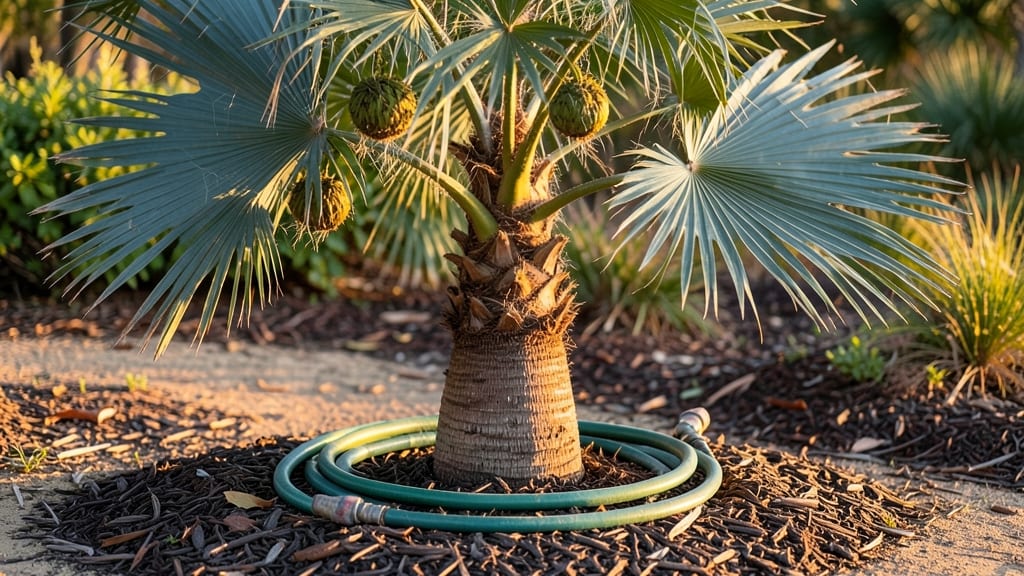
Understanding Florida's gardening zones (8a to 11) is essential because they dictate which plants will thrive in your specific microclimate, from frost-sensitive tropical varieties to hardy subtropical species.
Florida's unique climate creates microclimates where coastal areas like Miami (zone 10b-11) can support banana trees year-round, while inland regions like Orlando (zone 9b-10a) experience slightly cooler nights that benefit citrus and palm varieties. 🌿 The key difference between these zones lies in their frost-free periods—cooler northern zones (8a-9a) might see occasional light frosts, while southern zones (10a-11) remain frost-free year-round.
This variation explains why some plants like bougainvillea flourish in zone 10 but struggle in zone 9a without winter protection.
What's particularly interesting is how humidity levels interact with these zones. Coastal areas often have higher humidity, which benefits moisture-loving plants like hibiscus, while inland zones may require additional irrigation for drought-tolerant species.
The USDA zone map serves as your first reference, but local nurseries can provide even more tailored recommendations based on your specific soil conditions and elevation.
💡 In This Article
- How Florida’s USDA Zones Affect Plant Survival
- Best Plants for Each Florida Gardening Zone
How Florida’s USDA zones affect plant survival
Florida’s USDA zones (8a-11) create dramatic differences in plant survival because they reflect both temperature extremes and humidity patterns. Zone 8a in the northern panhandle experiences 24-28°F minimum temperatures, forcing plants to adapt to occasional frost, while zone 11 in the Keys remains above 40°F year-round.
This 30°F+ difference explains why citrus trees thrive in zone 9b but need winter protection in zone 8a. The science lies in plant hardiness zones measuring average annual minimum temperatures over 30 years, which directly impacts cellular damage thresholds in plant tissues.
Humidity plays an equally critical role—coastal zones like Miami (10b-11) have 80-90% humidity year-round, creating ideal conditions for tropical plants like mangoes and coconut palms that require constant moisture. Meanwhile, inland areas like Gainesville (8a-9a) experience 50-70% humidity with drier air, making drought-resistant species like yucca and agave more successful.
The 10-15°F temperature swings between day and night in inland zones also stress plants differently than the more stable coastal climates.
What most gardeners overlook is how these zones interact with soil temperatures. Coastal areas have warmer soils year-round, allowing tropical plants to establish roots quickly, while inland zones may see soil temperatures drop below 50°F in winter, slowing growth.
This is why mulching with 2-3 inches of organic matter becomes crucial in cooler zones—it maintains soil warmth and moisture. The zone system also explains why some plants like bougainvillea (zone 10+) struggle in zone 9a without winter protection, as their leaves can't withstand temperatures below 30°F.
Here's what actually happens at the cellular level: When temperatures drop below a plant's hardiness threshold, ice crystals form in cell walls, rupturing membranes and killing tissue. Tropical plants in zone 11 lack the biological mechanisms to produce protective sugars and proteins that temperate plants develop.
Meanwhile, coastal plants benefit from salt spray that acts as a natural fungicide, while inland plants face more fungal pressure due to drier conditions. These biological differences explain why some species thrive in one zone but fail in another.
Consider these key factors when selecting plants for your zone:
- Coastal zones (10a-11): Prioritize salt-tolerant species like sea grape and beach sunflower that handle 90%+ humidity and occasional salt spray
- Inland zones (8a-9a): Focus on drought-resistant natives like sabal palm and wax myrtle that thrive with 30-50% less rainfall than coastal areas
- Transition zones (9b-10a): Opt for versatile plants like firebush that handle 5-10°F temperature variations between day and night
The most successful Florida gardens balance native species with climate-adapted varieties. For example, while coontie palm (zone 8a+) handles northern Florida's cooler winters, coconut palms (zone 10+) require southern protection. Understanding these zone-specific requirements transforms gardening from guesswork to precision agriculture. 🌱