Tools
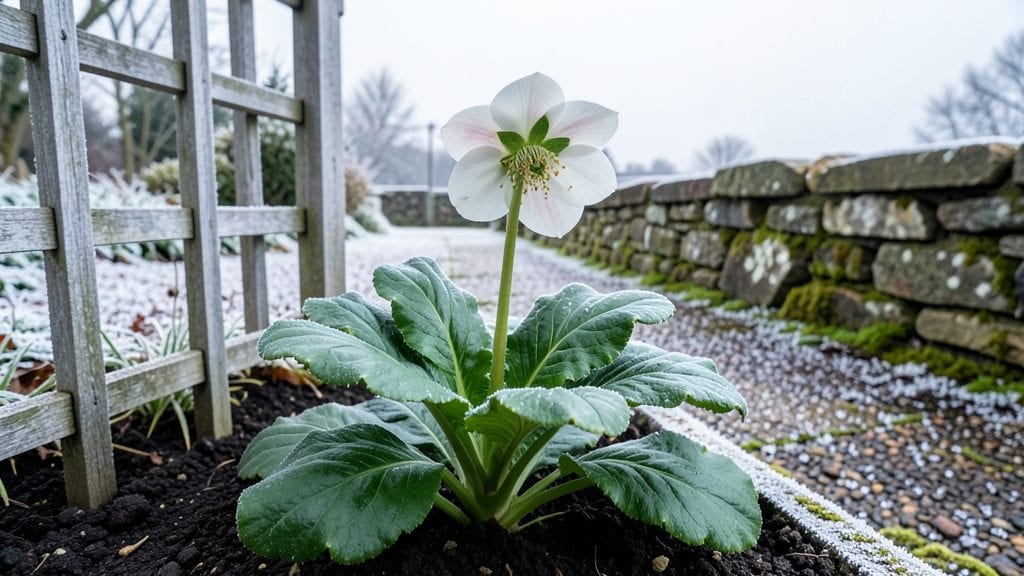
Understanding Europe's gardening zones saves you from planting failures and wasted effort. 🌿 The continent's climate ranges from Mediterranean heat to Nordic chill, and knowing your zone means choosing plants that thrive—not just survive.
I've learned the hard way that a tomato plant in Zone 5 won't make it through winter, but a cabbage will.
Europe's zones don't follow the USDA system, so we use a mix of Köppen climate classifications and regional experience. Think of it like dressing for the weather—your plants need the right "clothing" too.
Urban gardens often run warmer than rural areas, while coastal spots stay milder than inland zones just a few miles away. A simple soil thermometer helps confirm your microclimate.
You'll discover which perennials return year after year in your area, which annuals give the biggest bang for your buck, and how to stretch seasons with simple tricks.
My Zone 7 garden now produces year-round greens using cold frames, while my neighbor in Zone 9 struggles with heat-loving tomatoes. The right plants make all the difference.
This guide covers everything from Mediterranean drought-tolerant shrubs to frost-hardy Nordic perennials, plus how to adapt when your local weather doesn't match the zone map. Let's get your garden growing confidently, no matter where you are on the continent.
📚 In This Guide
- What you need
- Instructions
- Tips and common mistakes
- Wrapping up and next steps
What you need
- ● Hand Trowel – Medium-sized (20-25 cm) for digging and transplanting
- ● Pruning Shears – Bypass type (for clean cuts) or anvil type (for tougher plants)
- ● Garden Gloves – Durable, breathable fabric (e.g., leather or reinforced cotton)
- ● Watering Can or Hose – 10-15L capacity with adjustable nozzle (for precision)
- ● Shovel & Spade – Round-point shovel (for digging) + border spade (for edging)
- ● Garden Fork – Heavy-duty (for breaking up soil and aerating)
- ● Wheelbarrow or Bucket – 50-100L capacity (for hauling soil, compost, or tools)
- ● Measuring Tape – 5-meter (for spacing plants according to zone needs)
- ● Plant Labels & Marker – Waterproof labels + permanent marker (to track varieties)
- ● Cold-Climate Zones (e.g., Nordic, Alpine): Frost cloth or row covers (for extending growing season)
- ● Cold-hardy soil amendments (peat moss, compost)
- ● Mediterranean & Warm Zones: Drip irrigation system (water conservation)
- ● Mulch (gravel or organic for heat retention)
- ● Rainy Zones (e.g., UK, Northern Europe): Drainage solutions (gravel, raised beds)
- ● Fungicide (copper-based for damp conditions)
- ● Soil pH tester (for zone-specific adjustments)
- ● Seedling heat mat (for early starts in cooler zones)
- ● Compost bin or worm farm (for nutrient-rich soil)
- ● Knee pad or ergonomic tools (for comfort)
How to select plants based on your european gardening Zone
Your location determines what thrives—here's how to match plants to Europe's climate regions.
🌍 Step 1: Identify Your Specific European Gardening Zone
Europe uses the USDA Hardiness Zone Map (now updated to 2023), with zones ranging from Zone 1 (northern Scandinavia) to Zone 11 (Canary Islands). Find your zone by checking the interactive map or using your winter low temperatures—most of Western Europe falls between Zones 6-9, while Southern Europe spans Zones 9-11.
I always double-check my zone by comparing local frost dates with the map. For example, London sits in Zone 8, while Athens is in Zone 10. This tells you which plants can survive your winters—deciduous trees in Zone 6 might die in Zone 9’s milder winters, while citrus thrives only in Zone 10+.
☀️ Step 2: Match Plants to Your Zone’s Sun and Rainfall Patterns
Once you know your zone, adjust for microclimates—urban areas can be 2-3°F warmer than rural zones. Mediterranean climates (Zones 9-11) need drought-tolerant plants like lavender or rosemary, while Atlantic zones (6-7) thrive with moisture-loving ferns and hydrangeas. I test plants in containers first to see how they handle local conditions before committing to permanent beds.
Pay attention to rainfall too: Southern Europe’s Zone 9-11 often needs irrigation, while Northern Europe’s Zone 5-6 may require windbreaks. If your zone has high humidity (like Zone 7 in the UK), choose disease-resistant varieties. A quick Google search for "zone X rainfall patterns" gives local insights—this saves trial-and-error planting.
⏰ Step 3: Plan Your Planting Calendar by Zone
Spring planting dates shift by zone: Zone 5-6 (Scandinavia, Alps) waits until mid-May after frost, while Zone 9-11 (Southern Europe) can start in early March. I use local nursery opening dates as a guide—when they stock seedlings, it’s safe to plant outdoors. For example, tomatoes in Zone 8 go in late April, but in Zone 10, they’re planted in February.
Fall planting also varies: Zone 6 can sow hardy crops like spinach in September, while Zone 10 might still plant heat-tolerant greens in November. Check your zone’s first frost date—most nurseries list it on seed packets. If you’re unsure, ask local gardeners or extension services for their tried-and-true schedules.
🌿 Step 4: Adjust Soil and Mulch Based on Your Zone
Northern zones (5-6) need organic matter to improve cold, heavy soils, while Southern zones (9-11) benefit from sandy mixes to prevent compaction. I always test soil pH—Zone 7’s classic 6.0-7.0 range works for most plants, but Zone 10’s Mediterranean soils often need lime to raise pH. Mulch choices matter too: Zone 5 uses thick straw to insulate roots, while Zone 10 prefers gravel mulch to reflect heat.
Don’t overlook drainage: Zone 9-11’s clay soils can suffocate roots, so I amend with perlite or coarse sand. In contrast, Zone 6’s sandy soils may need peat moss to retain moisture. A simple percolation test (pouring water and timing drainage) tells you if your soil needs help—this prevents root rot in wet zones or drought stress in dry ones.
✂️ Step 5: Prune and Protect Based on Zone-Specific Needs
Pruning timing varies wildly: Zone 5 waits until late spring to avoid frost damage, while Zone 10 prunes year-round for continuous growth. I mark my calendar with zone-specific reminders—Zone 7’s roses need a light trim in early spring, but Zone 9’s citrus trees get their biggest prune in summer to avoid winter dieback.
Winter protection is zone-critical: Zone 6 wraps tender plants in burlap, while Zone 10 might only need shade cloth during heatwaves. I keep a zone-specific plant care chart (free templates online) to track when to fertilize, prune, or mulch. For example, Zone 8’s azaleas bloom best with fall fertilization, while Zone 10’s bougainvillea needs spring feeding—getting this wrong stunts growth.
Tips & tricks for perfect european gardening Zone success
These practical strategies will help you navigate Europe's diverse climates with confidence—no more guesswork!
Zone Verification: Don't rely solely on the map! Cross-reference your zone with local frost dates—most nurseries list them on seed packets. I've seen discrepancies of up to 2 zones between map predictions and actual frost patterns. For example, a mountain village in Zone 6 might experience Zone 5 winters due to elevation. Check with your local agricultural extension service for precise data.
Microclimate Mastery: Urban areas can be 2-3°F warmer than surrounding rural zones, creating perfect microclimates for heat-loving plants. I always test container plants in sunny spots first—if they thrive, I'll consider permanent planting. This is especially useful in Zone 7 cities where Mediterranean plants might survive winters in sheltered urban pockets when they wouldn't in nearby countryside.
Soil Testing Shortcut: Skip the expensive lab test! Use a simple DIY kit (available for under $20) to check your soil's pH and nutrient levels. Zone 7's ideal 6.0-7.0 range works for most plants, but Mediterranean Zone 10 soils often need lime to raise pH. I test my soil every spring—it's the best way to catch problems before they affect plant health.
Planting Calendar Hack: Use your local nursery's opening dates as a guide—when they start stocking seedlings, it's safe to plant outdoors. This works because nurseries track frost dates and soil temperatures. For Zone 8, I wait until late April when tomatoes appear, while in Zone 10, I plant in February when nurseries start offering citrus trees. This simple observation saves me from planting too early and risking frost damage.
Pro Tips for Gardening Zones Europe
- These practical strategies will help you navigate Europe's diverse climates with confidence—no more guesswork!
- Zone Verification: Don't rely solely on the map!
- Microclimate Mastery: Urban areas can be 2-3°F warmer than surrounding rural zones, creating perfect microclimates for heat-loving plants.
Frequently asked questions
Got questions about gardening zones in Europe? You’re not alone! Here are some of the most common queries—and straightforward answers—to help you navigate planting like a pro.
What are gardening zones, and why do they matter in Europe?
Gardening zones (like the USDA Hardiness Zones) classify regions based on average winter temperatures. In Europe, these zones—often called USDA zones or RHS Hardiness Ratings—help you pick plants that thrive in your local climate. Why it matters? Planting the wrong variety in a chilly zone (e.g., Zone 5) could mean frozen flowers or stunted veggies!
When is the best time to plant based on my European gardening zone?
Timing varies! In warmer zones (8–10, e.g., Mediterranean Spain/Italy), plant cool-season crops (like lettuce) in fall/winter and warm-season (tomatoes) in spring. In cooler zones (3–6, e.g., UK, Northern Europe), wait until after the last frost (usually May–June) for most veggies. Local frost charts are your best friend!
Can I grow tropical plants (e.g., bananas, mangoes) in Europe?
Possibly—but only in Zone 10+ (e.g., Canary Islands, Malta, or greenhouses in Zone 9). Most tropical plants need consistent warmth (no frost!) and high humidity. Try container gardening and move pots indoors in winter. Pro tip: Citrus trees (like lemons) can survive in Zone 8 with winter protection!
What if my garden is in a transition zone (e.g., Zone 7/8 border)?
Transition zones (like parts of France, Germany, or Southern UK) can be tricky! Opt for mid-range plants like roses, lavender, or kale, which handle temperature swings. Layer mulch in fall to insulate roots, and monitor microclimates (e.g., sunny walls vs. shaded areas). When in doubt, check seed packet zone ranges!
How do I protect plants from unexpected late frosts in Zone 5–6?
Late frosts (common in UK, Netherlands, or Alpine regions) can ruin tender plants. Use frost cloths, cloches, or row covers for young seedlings. Quick fixes:
- Water soil before frost—it releases heat as it freezes.
- Move potted plants to sheltered spots or indoors.
- Avoid overhead watering (ice damages leaves).
Wrapping up and next steps
Understanding gardening zones in Europe is your first step toward a thriving garden! 🌱 Whether you’re in the Mediterranean’s warmth or the Nordic chill, matching plants to your zone ensures healthier growth and bountiful harvests.
Start small—pick one zone-specific project, like a herb spiral or native flower bed, and let your green thumb shine!
Ready to dive deeper? Research local nurseries or climate data for your exact location, then sketch a simple garden plan. Happy planting—your future garden awaits! 🌿