
Tools
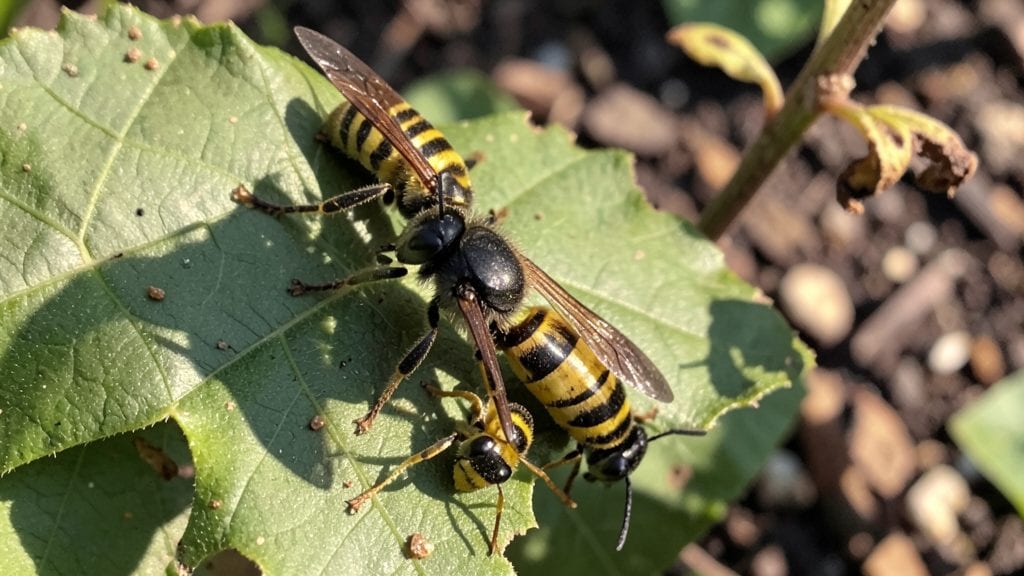
My garden became a wasp highway until I swapped sprays for humane traps—now I catch them without harming the ecosystem or my peace of mind. The key is understanding why they’re there: they’re not just pests, they’re pollinators drawn to ripe fruit, fallen berries, and even our picnic leftovers.
Once you know their triggers, you can outsmart them with simple, non-toxic solutions that keep them moving along.
I started with a basic vinegar trap—just a plastic bottle, some sugar water, and a little dish soap to break the surface tension. Wasps dive in, get stuck, and can’t escape, but they’re not harmed.
Place these near trouble spots like compost bins or fruit trees, and you’ll see a noticeable drop in buzzing within days. For larger nests, a cardboard box trap works wonders—wasps enter but can’t find their way out, and you can relocate them far from your yard.
The payoff is immediate: fewer stings, no damaged produce, and a garden that stays vibrant without chemicals. You’ll notice bees and other pollinators still thrive because these traps target only wasps.
The best part? This method works year after year, and you’ll never have to worry about accidental poisonings or harming beneficial insects again.
Works for any garden size, from small urban plots to sprawling backyard spaces. Once you try it, you’ll wonder why you ever reached for spray cans. Let’s get those buzzing visitors under control the right way—without the drama.
Why Your Garden Becomes Wasp Central
If your garden has become a buzzing hotspot for wasps, it’s not just bad luck—it’s usually a mix of environmental cues, food availability, and nesting preferences. Understanding these triggers helps you address the root causes and keep your outdoor space wasp-free without harming these beneficial insects.
Wasps are opportunistic foragers, and your garden might be serving up an all-you-can-eat buffet. Here’s what’s luring them:
- Fruit and nectar: Overripe or dropped fruit (especially citrus, berries, and melons) releases fermenting sugars, which wasps detect from yards away. Even small cuts or bruises on fruit can trigger a feeding frenzy.
- Sugary drinks and spills: Soda cans left open, spilled juice, or even honeydew from aphids on plants create sticky traps. Wasps’ taste receptors go wild for anything sugary.
- Protein for larvae: Decaying meat, pet food left outdoors, or even dead insects (like those attracted to bright lights) provide the high-protein meals wasps need to feed their young.
Pro tip: 🌡️ Inspect your garden daily for fallen fruit, spills, or pet food. A quick cleanup can reduce wasp traffic by 70% within 24 hours.
Wasps are meticulous nest builders, and your garden might unknowingly provide the perfect real estate. Here’s what makes it appealing:
- Dark, enclosed spaces: Wasps favor spots like hollow tree trunks, eaves, sheds, or even gaps in fences. They thrive in areas with minimal human disturbance and good insulation (like thick ivy or mulch piles).
- Proximity to food sources: A nest near a fruit tree or compost bin means less travel time for foraging workers. This efficiency makes your garden a prime location.
- Pre-existing nests from last season: Wasps often reuse old nests if they’re still structurally sound. Check for paper-like grayish mounds (paper wasps) or smooth, football-shaped nests (yellowjackets) hidden in corners.
Pro tip: ✨ Seal entry points with caulk or fine mesh in early spring to block nesting sites. If you spot a nest, act fast—wasps expand colonies aggressively in warm weather.
Not all plants are wasp magnets, but certain flowers and foliage can attract them—either directly or by drawing in their prey. Here’s how:
| Plant Type | Why Wasps Love It | Wasps’ Motivation |
|---|---|---|
| Open, tubular flowers (e.g., cosmos, lilacs) | Easy access to nectar | 🍯 Feeding on sugars |
| Herbs with strong scents (e.g., mint, dill, fennel) | Attracts pollen-eating insects (wasps’ prey) | 🐜 Hunting for food for larvae |
| Fruit trees (apple, pear, peach) | Ripe or damaged fruit ferments quickly | 🍇 Overripe = wasp party |
| Compost piles or mulch with decaying organic matter | Protein-rich environment for larvae | 🐛 Breeding ground |
Pro tip: 🌱 Swap high-risk plants for wasp-deterrents like basil, marigolds, or wormwood. These emit scents wasps dislike while still supporting pollinators like bees.
Wasps are highly sensitive to temperature and daylight, which dictates their activity levels. Here’s how seasonal changes fuel their presence:
- Warm, humid days: Ideal for foraging (wasps’ metabolism spikes at 75–90°F). They become more aggressive when food is scarce or competition is high.
- Late summer/early fall: Worker wasps double down on sugar sources to fatten up for winter. This is why you see more wasps near trash cans or grills in August–September.
- Rainy or windy weather: Forces wasps to seek shelter in your home (attics, garages) or under eaves. They’ll nest in any dry, protected spot.
Pro tip: 🎯 Time your interventions:
- 🔥 Spring: Seal nests before they grow large (March–May).
- 🍳 Summer: Focus on food removal (clean up spills, cover drinks).
- ⏰ Fall: Use humane traps after peak activity (late September) to reduce overwintering populations.
Humane Ways to Remove Wasps
Wasps may be unwelcome guests in your garden, but you don’t have to resort to harsh chemicals or traps that harm them. Instead, try these effective, humane solutions tailored to the root causes of their presence.
Whether they’re drawn by food, water, or nesting sites, these methods will help you reclaim your outdoor space—without cruelty.
Wasps are drawn to sweet, sugary, and protein-rich foods. If you’ve noticed them lingering near your garden, they’re likely scavenging for snacks.
🔥 Remove Food Sources Immediately
- Clean up spills 🍯🍺: Overturned soda cans, spilled juice, or even ripe fruit on the ground can be a buffet.
Wipe down picnic tables, grills, and trash cans regularly. - Store food properly 🥫🍗: Use sealed containers for outdoor meals, and avoid leaving pet food outside. Even small crumbs can lure wasps. - Avoid strong scents 🌸🍋: Perfumed soaps, scented candles, or citrus peels near seating areas can attract them.
Opt for fragrance-free alternatives.
💡 Pro Tip:
If you’re hosting a barbecue, serve drinks in red or dark-colored cups—wasps are less likely to mistake them for food!
Wasps need water to survive, especially during dry spells. Standing water in birdbaths, clogged gutters, or even damp soil can become a magnet.
👨🍳 Drain Standing Water
- Empty water sources daily 🚰: Check birdbaths, pet bowls, and plant saucers.
Replace water every 2-3 days. - Fix leaks 🔧: Dripping faucets or broken sprinklers create constant moisture—repair them promptly. - Use mosquito dunks 🐛💧: If you have a pond or large water feature, add Bti dunks (natural bacteria that kill mosquito larvae).
They’re safe for wasps but disrupt their water access.
🌡️ Create Drought Conditions (Temporarily)
If wasps are persistent, reduce water availability for a few days. They’ll move on once they realize your garden isn’t a reliable source.
Wasps build nests in hidden, protected spots. If you’ve spotted one, acting fast is key—the sooner you remove it, the fewer wasps will return.
🔪 Remove Nests Safely (At Night)
- Wait until dusk 🌙: Wasps are less aggressive when it’s cooler.
Use a flashlight with a red filter (they can’t see red well) to locate nests. - Spray with soapy water 🧼: Mix 1 tbsp dish soap per gallon of water in a spray bottle.
This dissolves the nest without harming the environment. - Use a nest removal kit 🛠️: If the nest is high or hard to reach, wear protective clothing and use a long-handled nest remover (available at garden stores).
🎯 Prevent Future Nests
- Seal entry points 🚪🔒: Check for gaps in eaves, sheds, or wall cracks. Use caulk or steel wool to block access.
- Prune overgrown branches ⏰🌿: Wasps love nesting in dense foliage.
Trim back bushes and trees near your home. - Install wasp-proof lighting 💡: Use yellow or orange bulbs (wasps dislike these colors) for outdoor lights.
If wasps keep returning, repel them naturally with scents and plants they dislike.
🌿 Plant Wasps’ Least Favorite Herbs
- Mint, basil, and lemongrass 🌿🍃: Plant these near seating areas or entryways. Crush the leaves occasionally to release their scent.
- Marigolds and geraniums 🌼: These flowers repel wasps while adding color to your garden.
💡 Essential Oil Spray (Safe & Effective)
Mix 10 drops of peppermint or citronella oil with 1 cup of water in a spray bottle. Lightly mist doorways, windows, and outdoor furniture. Reapply after rain.
🚫 Avoid Common Traps (They’re Cruel!)
- Skip sticky traps or poison bait 🚫🐝: These harm not just wasps but also bees and other beneficial insects.
- Opt for humane alternatives like citrus peels + dish soap (hang orange peels soaked in soapy water—wasps get trapped but die naturally).
If the nest is large (bigger than a basketball), in a hard-to-reach place, or you have allergies, don’t risk it. Contact a pest control expert who uses humane removal methods.
By addressing food, water, and nesting sites, you’ll make your garden less inviting to wasps—without harming them. Stay consistent, and you’ll enjoy your outdoor space sting-free! 🌿✨
Frequently asked questions
Why do wasps suddenly appear in my garden every summer?
Wasps become more active in summer because warm temperatures (75–90°F) trigger their foraging instincts. They seek out fermenting fruit, spilled drinks, and protein sources to feed their growing colonies. Late summer is especially bad because workers stock up for winter—expect peak activity near trash cans or grills during August-September.
Are those wasps harmful to my plants?
Most garden wasps aren't plant pests—they actually help control other insects like caterpillars and aphids. However, yellowjackets and paper wasps may nest near vegetables, and their presence can deter pollinators. The real risk comes from their aggressive foraging near ripe fruit, which can attract larger numbers and increase sting risks near your harvest.
What's the fastest way to remove a small wasp nest?
For nests under golf-ball size, wait until dusk when wasps are less active, then spray with a mix of 1 tbsp dish soap per gallon of water. This dissolves the nest without chemicals. For ground nests, cover them with a large cardboard box overnight—wasps won't return to the sealed environment. Always wear gloves and avoid disturbing nests during daylight hours.
Will humane traps actually work, or are they just a temporary fix?
Humane traps like vinegar bottles or citrus peel baits reduce wasp numbers by 50-70% when used consistently for 2-3 weeks. The key is placement—put them near known activity spots (compost bins, fruit trees) and refresh bait every 3-4 days. While not instant, they're far more effective than commercial sprays when combined with removing food/water sources.
Can I use peppermint oil to repel wasps from my garden?
Yes! Mix 10 drops of peppermint oil with 1 cup water in a spray bottle and mist doorways, windows, and outdoor furniture. Reapply after rain. For stronger protection, plant mint or basil near seating areas—crush leaves occasionally to release their scent. This works best when combined with removing attractants like standing water and ripe fruit.