
Flowers
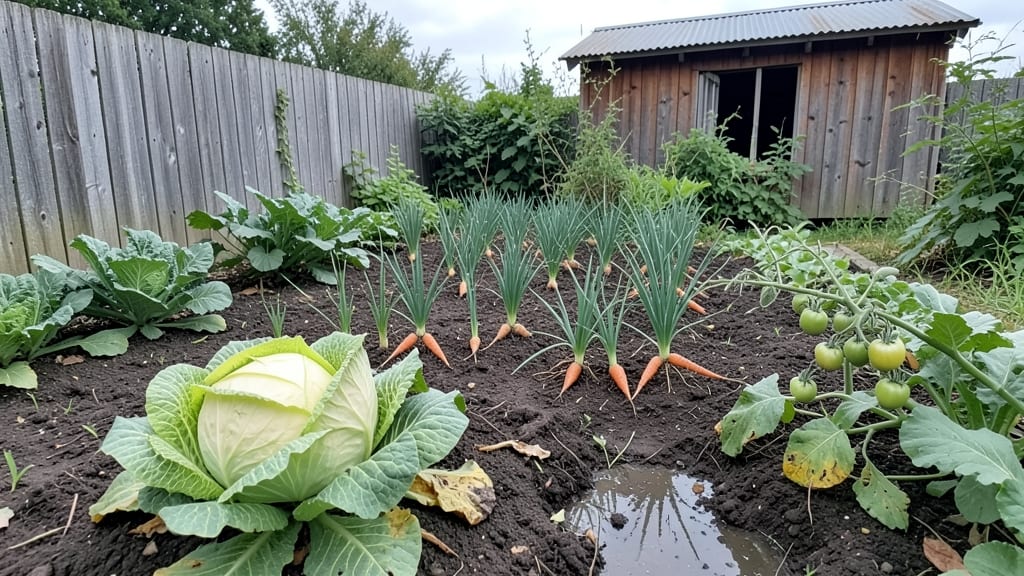
Victory gardens meaning revolves around community-driven food production that began as a wartime response to scarcity, fostering self-reliance and national pride through homegrown vegetables and herbs. Today, they represent eco-conscious growing practices that merge historical resilience with contemporary sustainability efforts.
The term victory gardens traces back to the early 20th century when governments urged citizens to grow their own food to ease wartime shortages. 🌱 During WWII alone, these gardens supplied nearly 40% of the U.S.'s fresh produce, proving how small-scale cultivation could make a massive impact.
What’s fascinating is how this concept has evolved—modern victory gardens now focus on urban sustainability, food justice, and even climate resilience, proving their relevance extends far beyond historical necessity.
Beyond their practical benefits, these gardens also strengthen community bonds. Schools and nonprofits often lead initiatives where neighbors share resources and knowledge, creating a ripple effect of environmental stewardship.
Whether you're growing tomatoes in a backyard or herbs on a balcony, the spirit of victory gardening lives on as a testament to what happens when people come together for a shared cause.
💡 In This Article
- Origins of Victory Gardens in World Wars
- Modern Victory Gardens: Sustainability and Community
Origins of victory gardens in world wars
The concept of victory gardens emerged as a direct response to food shortages during World War I and World War II. Governments recognized that civilian food consumption was straining supply chains already diverted to military needs.
In 1917, the U.S. Department of Agriculture launched the first official campaign, encouraging families to plant "war gardens" to free up commercial crops for soldiers. 🌿 By 1943, these gardens produced an astonishing 40% of the nation's fresh produce, including 9 million tons of food annually—equivalent to feeding the entire population of New York City three times over.
Propaganda played a crucial role in their adoption. Posters featuring Uncle Sam or Rosie the Riveter urged citizens to "Grow Your Bit for the Victory." Radio broadcasts and school programs taught children how to cultivate even small plots.
The psychological impact was profound—growing food became an act of patriotism, with families competing to produce the most vegetables. 🍅 What's fascinating is how these campaigns leveraged existing agricultural knowledge, turning backyards into micro-farms overnight. Even urban dwellers contributed with window boxes of lettuce or radishes.
The practical impact was immediate and measurable. During WWII, victory gardens reduced pressure on commercial agriculture by 12 million tons of produce, allowing more resources to support troops. The gardens also provided psychological comfort—families could enjoy fresh tomatoes and carrots while rationing other staples.
This dual benefit made the concept irresistible to governments worldwide, from Britain's "Dig for Victory" to Canada's "Victory Gardens."
What most people don't realize is how these gardens were strategically planned. Agricultural experts advised on high-yield crops like potatoes (which could be stored for months) and leafy greens (fast-growing and nutrient-dense).
The U.S. even published free seed catalogs with war-appropriate varieties. 🌱 This systematic approach transformed millions of amateur gardeners into semi-professional growers, proving that community-scale agriculture could rival industrial farming in critical moments.
The legacy of these wartime gardens extends beyond their immediate impact. They demonstrated that food security isn't just about large-scale farming—it's about empowering individuals to contribute. This principle became the foundation for modern urban agriculture movements.
The science behind their success lies in their ability to turn scattered resources (backyard plots, windowsills, and community lots) into a cohesive food production network.