
Vegetables
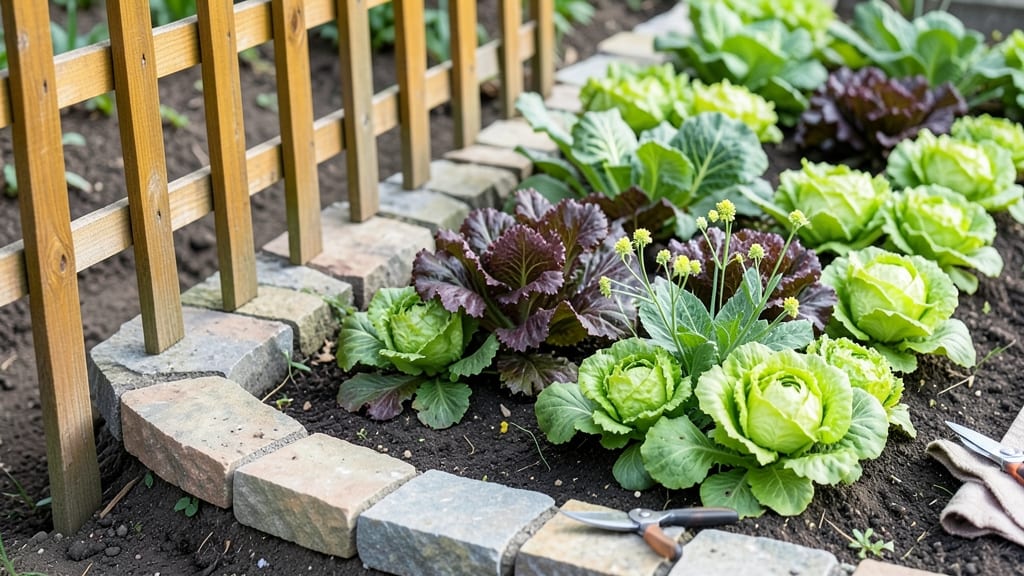
What makes these images so valuable is how they demonstrate real-world solutions to common challenges. 🌱 For instance, urban gardens often maximize vertical space with trellises and hanging planters, while rural gardens prioritize larger-scale features like shared irrigation systems.
The best photos don't just show plants—they capture the community spirit through framed shots of volunteers working together or seasonal displays that change with the harvest cycles.
Many gardeners use these visuals as blueprints for their own spaces, adapting elements like raised-bed configurations or shade-tolerant plant placements.
The most inspiring examples show how even limited spaces can become productive through creative layouts, while larger gardens prove that shared infrastructure (like tool sheds or compost stations) makes maintenance easier for everyone involved.
💡 In This Article
- Design Principles Behind Successful Community Gardens
- Photography Tips for Capturing Garden Layouts Professionally
Design principles behind successful community gardens
Successful community gardens thrive because their layouts solve real-world problems with smart design. The key is balancing space efficiency with sunlight optimization—urban gardens often use 4'×8' raised beds (the perfect size for two people to work comfortably) arranged in grids to maximize sunlight exposure.
Rural gardens, with more space, can incorporate longer rows (10-12 feet) for mechanized tools or contour planting to prevent erosion. 🌱
Soil health is another critical factor. Urban gardens frequently use square-foot gardening with custom soil blends (60% topsoil, 30% compost, 10% perlite) to ensure nutrients are evenly distributed. Rural gardens often implement cover cropping like clover between seasons to replenish nitrogen naturally.
Shared irrigation systems—whether drip lines in urban plots or pivot systems in rural fields—reduce water waste by up to 30% compared to individual hoses.
Shared resources make the biggest difference in sustainability. Urban gardens often place tool libraries in central locations (like near compost bins) so everyone has access to hoes, trowels, and wheelbarrows without duplication. Rural gardens might have community greenhouses or cold frames to extend growing seasons.
These shared systems cut costs and reduce clutter, ensuring tools don’t get lost or misused. The result? Gardens that stay productive year-round with minimal maintenance. ✨
Lighting and microclimates play unexpected roles too. Urban gardens use reflective surfaces (like white-painted fences) to redirect sunlight into shaded corners, boosting growth by 15-20%. Rural gardens leverage natural windbreaks (hedges, berms) to protect delicate crops from drying out.
Even small details—like placing seating areas in the morning sun—encourage regular participation, which directly impacts a garden’s success.
Seasonal flexibility is the final piece. The best layouts include rotating plant zones—areas designated for cool-season crops (like kale) in summer and warm-season plants (like tomatoes) in winter. This prevents soil depletion and keeps the garden visually dynamic.
For example, a 4'×4' plot might host lettuce in spring, basil in summer, and spinach in fall, all while maintaining the same soil structure. 💫
What most people don’t realize is how these principles adapt to climate. In arid regions, gardens use swales (shallow trenches) to capture rainwater, while tropical gardens prioritize shade cloths to protect plants from intense sun.
The same design logic applies—just with local tweaks. This is why studying real garden photos isn’t just inspiration; it’s a masterclass in problem-solving. 🔥