
Tools
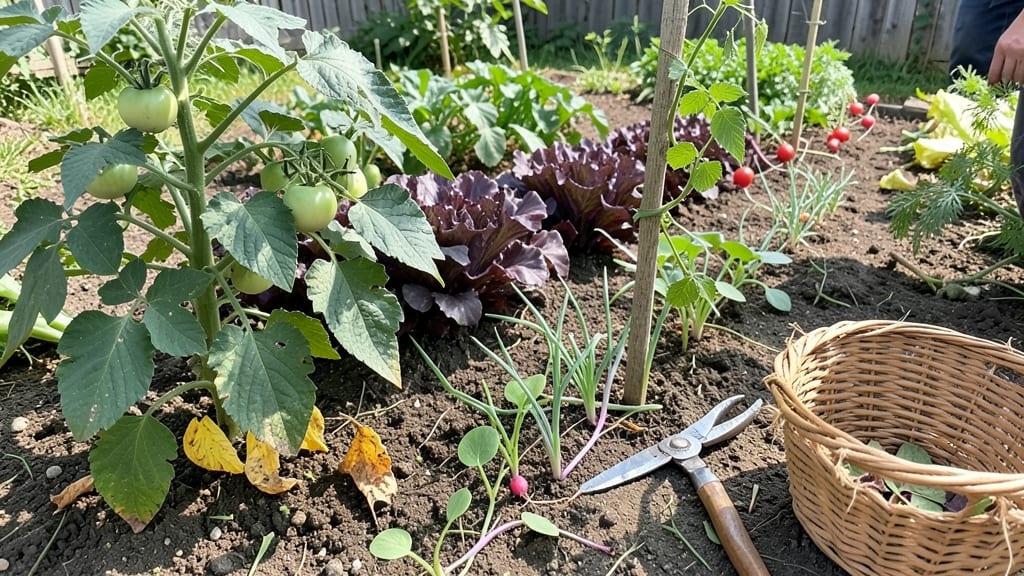
These wartime gardens weren't just about growing food—they were a nationwide movement that reshaped agriculture during a critical time. 🌱 The U.S. government actively promoted them through posters, seed drives, and even offering gardening tips in newspapers, turning backyards into battlefields for hunger.
Urban spaces like rooftops and vacant lots became productive farms, proving that even small plots could make a massive difference when millions of people participated.
What makes these facts even more impressive is how quickly the movement scaled. By 1943, victory gardens covered 8 million acres—an area larger than Maryland—producing everything from tomatoes to potatoes. The success was so impactful that it reduced commercial vegetable production by 20%, freeing up shipping for military supplies.
This wasn't just gardening; it was a grassroots effort that demonstrated how collective action could address national challenges.
💡 In This Article
- How Victory Gardens Shaped Wartime Food Production
- Modern Victory Garden Revival: Trends and Tips
How victory gardens shaped wartime food production
The wartime garden movement wasn't just about growing vegetables—it was a carefully coordinated agricultural strategy that transformed how America fed itself.
During World War II, the U.S. Department of Agriculture reported that these gardens produced 8 million tons of food annually, equivalent to feeding the entire population of New York City three times over.
The key was efficiency: gardeners focused on high-yield crops like potatoes, carrots, and cabbage, which could be grown in small spaces and stored long-term. 🌱 These staples became the backbone of home pantries, reducing reliance on commercial markets that were strained by fuel rationing and labor shortages.
Government incentives played a crucial role in driving participation. The Office of War Information launched campaigns with iconic posters featuring Rosie the Riveter holding a pitchfork, framing gardening as patriotic duty.
By 1943, the U.S. had distributed 15 million seed packets and published weekly gardening tips in newspapers, creating a nationwide network of food producers. Urban areas led the charge—New York City alone had 300,000 gardens by 1944, proving that even concrete jungles could contribute significantly when organized properly.
The impact on commercial agriculture was immediate and dramatic. With millions of men serving overseas, farm labor became scarce, and victory gardens effectively filled the gap. The movement reduced commercial vegetable production by 20%, freeing up shipping resources for military supplies like ammunition and fuel.
This wasn't just about growing food—it was about reallocating an entire industry's capacity to support the war effort. The success was so profound that similar programs were implemented in Britain, Canada, and Australia, creating a global model for wartime food security.
What's fascinating is how these gardens bridged urban and rural divides. In cities, rooftops, fire escapes, and vacant lots became productive spaces, while rural areas expanded their plots to meet increased demand.
The average urban garden produced 1,000 pounds of food annually, while rural gardens often yielded 5,000 pounds or more. This cooperation between city and countryside demonstrated how decentralized food production could stabilize an entire nation's diet during crises.
The legacy of victory gardens extends beyond WWII. The movement proved that small-scale agriculture could be just as impactful as large commercial farms when organized strategically. During World War I, similar gardens produced 1.3 billion pounds of food, showing that the concept wasn't a fluke—it was a scalable solution.
Today, urban farming initiatives draw direct inspiration from these wartime efforts, using the same principles of community participation and resource efficiency to address modern food insecurity challenges.