
Landscaping
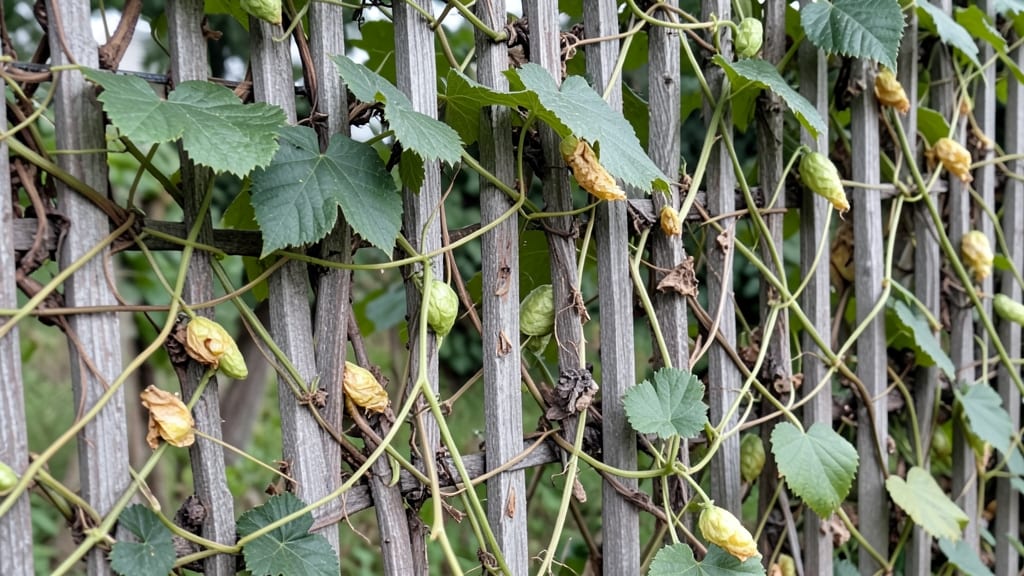
A vertical garden fence turns bare walls into lush living screens that outperform traditional fences in beauty and function. My first one transformed a windy backyard corner into a fragrant, private retreat—no more peeking neighbors or unsightly chain link.
The best part? It grows more productive every year while keeping the space cool in summer and sheltered in winter.
You’ll need a sturdy frame (wood, metal, or PVC), a waterproof growing medium, and plants that thrive climbing—think clematis, morning glories, or ivy for quick coverage, or roses and grapes for long-term harvests.
The setup takes a weekend, and the payoff is immediate: instant privacy, improved curb appeal, and a habitat for pollinators. Even small spaces benefit—balconies and patios get the same treatment with scaled-down designs.
By midsummer, your fence will be a riot of color and texture, with vines spilling over like a natural waterfall. Maintenance is minimal: weekly watering for the first month, occasional pruning to shape growth, and annual fertilizer to keep blooms abundant.
The right plants even suppress weeds and reduce noise pollution—nature’s soundproofing at its finest.
Works for any yard style, from cottage gardens to modern minimalism. Whether you’re hiding an eyesore or creating a living art piece, this project delivers privacy with purpose. Let’s get your fence growing!
📚 In This Guide
- What you need
- Instructions
- Tips and common mistakes
- Wrapping up and next steps
What you need
- ● Fence panels or trellis framework: 6–8 ft tall, 4–6 ft wide (adjust based on fence length). Opt for cedar, redwood, or PVC for durability.
- ● Garden fabric or landscape fabric: 1 roll (3 ft wide, 50 ft long) to block weeds and retain moisture.
- ● Potting soil: 2–3 cubic feet per 4 ft of fence length (use a lightweight, well-draining mix).
- ● Climbing plants: Choose fast-growing vines like clematis, jasmine, or ivy, or flowering vines like morning glories or passionflowers (10–20 plants per 4 ft of fence).
- ● Container pockets or planters: Fabric grow bags (4–6 in. deep) or modular planters (1 per 1–2 ft of fence).
- ● Staple gun + staples: For securing fabric to the fence.
- ● Measuring tape, level, and drill: For precise cuts and assembly.
- ● Outdoor-rated screws or brackets: To attach the trellis/fence to the ground or existing structure.
- ● Drip irrigation system: Automate watering with a soaker hose or micro-spray kit.
- ● LED solar lights: Add ambiance with twinkling lights along the fence.
- ● Fertilizer spikes or liquid feed: Boost growth for faster, healthier vines.
- ● Decorative trim or lattice: Elevate aesthetics with painted wood or metal accents.
- ● Mulch (e.g., bark chips): Retain moisture and suppress weeds at the base.
Step-by-Step instructions for building a vertical garden fence
Transform your fence into a lush, living privacy screen that thrives year-round with the right plant selection and construction.
Prepare the Fence Surface and Install Trellis Panels
Begin by cleaning the existing fence thoroughly with a wire brush to remove loose paint, debris, or mold—this ensures your climbing plants have a clean surface to grip. For wooden fences, sand rough edges lightly to prevent splinters. Measure and cut 4-foot-wide by 8-foot-tall trellis panels (or pre-made lattice sections) to match your fence height, spacing them 12-18 inches apart horizontally. Secure each panel vertically using stainless steel screws or galvanized nails into the fence posts, ensuring they’re level and flush against the surface.
If your fence is chain-link, attach plastic-coated wire mesh directly to the fence using zip ties or staple guns, creating a grid pattern for vines to climb. For metal or vinyl fences, use adhesive hooks or L-brackets to mount trellis panels without damaging the material. The key is ensuring panels don’t sag—they should support the weight of mature vines like clematis, wisteria, or jasmine without bending.
Select and Plant Climbing Vines for Year-Round Coverage
Choose a mix of deciduous vines (for summer foliage) and evergreen climbers (for winter structure). Plant fast-growing annuals like morning glories or sweet peas at the base of the trellis in early spring to provide immediate coverage. For perennial vines, dig holes twice as wide as the root ball and 12-18 inches deep, spacing plants 3-5 feet apart to allow airflow and prevent disease. Water deeply after planting to settle the soil around roots.
I recommend climbing roses for seasonal blooms, ivy for dense evergreen coverage, and hops or passionflower for bold foliage. Mulch the base with 3 inches of shredded bark to retain moisture and suppress weeds. Avoid planting too close to the fence—give vines 6-12 inches of clearance to establish roots before they climb. This prevents root competition and ensures sturdy growth.
Train Vines and Maintain Growth Throughout the Seasons
As vines emerge, gently tie new shoots to the trellis using soft plant ties or twine, guiding them upward in a spiral pattern. Prune leggy growth in early summer to encourage bushier, more compact foliage. For aggressive climbers like wisteria or honeysuckle, trim back one-third of the previous year’s growth in late winter to control spread and promote flowering. Fertilize lightly in spring with a balanced 10-10-10 formula, but avoid heavy feeding—most climbing vines thrive in lean soil.
Monitor for pests like aphids or spider mites, which thrive on tender new growth. Spray affected areas with neem oil or insecticidal soap at the first sign of infestation. In winter, remove dead foliage but leave dormant stems for early spring regrowth. If any vines die back completely, replace them with hardy varieties like star jasmine or Virginia creeper, which recover quickly.
Enhance with Seasonal Flowers and Fill Gaps
Fill vertical gaps with annual flowers like pansies or lobelia, which cascade over edges and bloom in cool weather. Plant these in hanging baskets or shallow pockets attached to the trellis. For a layered look, intersperse filler plants like coleus or fuchsia at mid-height, ensuring they don’t outcompete the main vines. Water the entire structure deeply 2-3 times per week during the first growing season to establish roots, then taper to once weekly once established.
Adjust watering based on rainfall—soil should feel moist but not soggy at the base. If leaves yellow or wilt, it’s a sign of overwatering or poor drainage. For extra privacy, add sheer fabric or bamboo screens behind the trellis during the first year while vines mature. Within 2-3 seasons, your fence will transform into a self-sustaining, fragrant privacy screen that outperforms any store-bought barrier.
Tips & tricks for building a vertical garden fence
A few strategic approaches will ensure your vertical garden fence thrives year-round with minimal maintenance. The key lies in understanding plant behavior and material compatibility.
Material Compatibility: When installing trellis panels, use stainless steel screws or galvanized nails for wooden fences to prevent rust over time. For chain-link fences, plastic-coated wire mesh creates a sturdy grid that won't corrode. I've found that adhesive hooks work best for metal or vinyl fences because they distribute weight evenly without damaging delicate surfaces. The 12-18 inch spacing between panels in Step 1 is crucial—this allows adequate airflow to prevent fungal diseases while still providing structural support for vigorous climbers like clematis.
Plant Selection Strategy: The mix of deciduous and evergreen vines in Step 2 creates the year-round coverage promised in the title. For immediate impact, I recommend planting fast-growing annuals like morning glories at the base while establishing perennials. The 3-5 foot spacing between plants might seem generous, but it prevents root competition and allows you to easily access each plant for pruning or pest control. Remember that evergreens like ivy will provide winter structure while deciduous vines like climbing roses offer seasonal color. The 6-12 inch clearance from the fence gives roots room to establish before they're expected to support climbing growth.
Training Technique: In Step 3, the spiral pattern for tying vines isn't just aesthetic—it distributes the plant's weight evenly across the trellis, preventing sagging. I've learned that soft plant ties are gentler on young shoots than twine, which can leave marks as the vine grows. For aggressive climbers like wisteria, the one-third pruning in late winter creates a natural shape while encouraging flowering. This pruning also prevents the vines from becoming too heavy for your trellis panels over time.
Watering Wisdom: The deep watering instructions in Steps 2 and 4 are essential for establishing roots, but the adjustment to once-weekly watering after establishment reflects how mature plants develop drought tolerance. The "moist but not soggy" soil test in Step 4 is particularly important—most climbing vines prefer well-draining conditions. I've found that watering deeply 2-3 times per week during the first growing season helps prevent shallow root systems that can't support the plant's eventual height and foliage mass.
Pro Tips for Vertical Garden Fence
- A few strategic approaches will ensure your vertical garden fence thrives year-round with minimal maintenance.
- Material Compatibility: When installing trellis panels, use stainless steel screws or galvanized nails for wooden fences to prevent rust over time.
- Plant Selection Strategy: The mix of deciduous and evergreen vines in Step 2 creates the year-round coverage promised in the title.
Frequently asked questions
Got questions about transforming your space with a vertical garden fence? You’re not alone! Here are answers to the most common queries to help you get started with confidence.
How long does it take for a vertical garden fence to grow in fully?
The timeline depends on the plants you choose! Fast-growing vines like Honeysuckle or Morning Glory can cover a 6-foot fence in 1-2 seasons, while slower climbers like Clematis may take 2-3 years for full coverage. Annuals offer quicker results, while perennials provide long-term beauty.
Can I use a vertical garden fence in small yards or urban spaces?
Vertical fences are perfect for tight spaces—they maximize greenery without sacrificing square footage. Opt for modular panels or lightweight trellises that attach to walls or fences. Just ensure your structure can support the weight of plants (especially after watering). Pothos or Ivy are great low-maintenance picks!
How much water do vertical garden fences need?
Watering needs vary by plant, but most climbing vines thrive with 1-2 inches of water per week, including rainfall. Install a drip irrigation system or soaker hose for even distribution—especially useful for taller fences where water can run off. Mulch at the base to retain moisture and reduce weeds.
What’s the easiest way to attach a vertical garden fence to an existing fence?
Start by cleaning the surface and marking attachment points. Use L-brackets or heavy-duty zip ties for lightweight panels, or lag screws for sturdier structures. For wood fences, pre-drill holes to prevent splitting. If your fence is chain-link, consider plastic-coated wire or a vinyl trellis for a seamless look.
How do I keep pests away from my vertical garden fence?
Pests like aphids or spider mites can target lush vines, but prevention is simple! Neem oil or insecticidal soap works well for mild infestations. Encourage beneficial insects like ladybugs, and prune regularly to improve airflow. For slugs, lay down copper tape or diatomaceous earth at the base.
Wrapping up and next steps
A vertical garden fence isn’t just a stylish addition to your yard—it’s a functional, eco-friendly solution that brings beauty, privacy, and life to your outdoor space year-round. 🌿 Whether you’re drawn to the romance of climbing roses, the lush greenery of ivy, or the vibrant blooms of clematis, this project lets you transform bare walls into a thriving green oasis with minimal effort.
Ready to take the next step? Start small—pick one section of your fence, gather your supplies, and let nature do the rest. Before you know it, you’ll have a living, breathing privacy screen that grows more stunning with every season. Happy gardening! 🌸