
Flowers
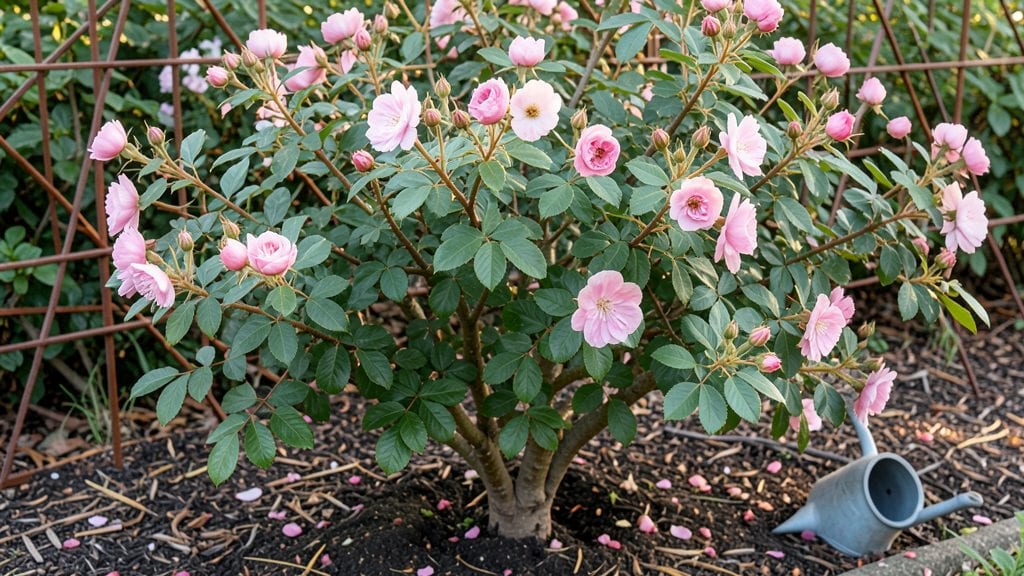
Thorny garden flowers aren't just dramatic—they're the unsung heroes of security and pollinator support. 🌿 I planted a hawthorn hedge last spring, and now my backyard feels like a fortress while humming with bees and butterflies.
The sharp stems deter trespassers, but the fragrant white blooms in May attract more wildlife than my sunflowers ever did.
These plants thrive in borders, hedges, or as bold focal points, offering year-round structure even when not in bloom. Roses, bougainvillea, and barberry all bring that rugged charm while requiring minimal fuss. The key is placement—group them where they can create natural barriers without overwhelming smaller flowers.
You'll end up with a garden that feels alive in every season, from spring's burst of color to winter's skeletal beauty. The contrast of velvety petals against spiky stems adds depth that flat-leaved plants can't match. Plus, fewer pests mean more flowers—and fewer headaches.
Works in cottage gardens for rustic charm, formal gardens for structured hedges, or wildlife-friendly spaces as pollinator magnets. Let's make your garden both beautiful and battle-ready—naturally.
📚 In This Guide
- What you need
- Instructions
- Tips and common mistakes
- Wrapping up and next steps
What you need
- ● Thorny flowers (choose 3–5 varieties): 1–3 Rosa rugosa (Rugosa Rose) – hardy, fragrant, and pollinator-loved
- ● 2–4 Berberis thunbergii (Barberry) – compact shrubs with bold foliage
- ● 1–2 Pyracantha (Firethorn) – spiky, berry-laden shrubs for winter interest
- ● 1 Crataegus (Hawthorn) – thorny tree for structure (if space allows)
- ● 1–2 Rubus (Flowering Raspberry) – ornamental berries + thorns
- ● Well-draining potting mix: 5–10 gallons (adjust based on pot/size)
- ● Organic compost: 2–3 cups per plant for nutrient boost
- ● Slow-release fertilizer (10-10-10 or similar): 1 lb for the garden
- ● Mulch (pine bark or gravel): 2–3 inches to retain moisture
- ● Garden tools: Trowel or hand shovel
- ● Pruning shears (sterilized!)
- ● Garden gloves (thorn-proof, highly recommended!)
- ● Watering can or hose with adjustable nozzle
- ○ Safety gear (optional but wise): Long sleeves/pants (lightweight fabric)
- ● Sunscreen + wide-brimmed hat
- ● Location prep: Full sun to partial shade (6+ hours of sunlight for most thorny shrubs)
- ● Space for mature size (check tags—some grow 10+ feet!
- ● 🌡️ Check hardiness zones: Thorny plants like Rosa rugosa thrive in zones 3–9.
- ● ✨ Layer plants: Taller varieties (like hawthorn) in back, shorter (barberry) in front.
- ● 🔥 Prune strategically: Remove dead wood in late winter to encourage new growth.
Step-by-step guide to designing a stunning thorny flower garden
Thorny flowers add bold structure and wildlife appeal—here's how to create a thriving, low-maintenance display.
🌱 Step 1: Select Your Thorny Flower Varieties
Start with four pollinator-friendly options like roses, pyracantha, barberry, or hawthorn. I always choose at least two different heights—tall varieties like 9-foot Knock Out roses for the back row and 3-foot barberry bushes for mid-level texture. Check your hardiness zone to ensure all plants thrive together.
Look for thorny varieties with vibrant blooms: deep pink roses, bright red pyracantha berries, or golden-yellow barberry foliage. These create visual contrast while supporting bees and butterflies. Avoid overcrowding—space plants 4-6 feet apart to allow airflow and prevent disease.
☀️ Step 2: Choose the Perfect Sunny Location
Thorny flowers need full sun (6+ hours daily) to develop strong thorns and abundant blooms. Scan your yard for a south-facing area with at least 6 hours of direct sunlight. If your space gets afternoon shade, opt for more shade-tolerant varieties like spirea or cotoneaster instead.
Test the site by placing a white board where you plan to plant—if it stays cool to the touch for more than 2 hours, supplement with a reflective surface like a white fence or gravel path to bounce extra light onto the plants. Thorny plants hate soggy roots, so avoid low spots where water pools.
🪴 Step 3: Prepare the Soil for Strong Growth
Amend native soil with 2 inches of compost and 1 cup of bone meal per planting hole to encourage robust root development. Thorny plants need well-draining soil—if your yard has heavy clay, mix in 1 part sand for every 3 parts soil. Test drainage by digging a 12-inch deep hole and filling it with water; if it doesn't drain within 2 hours, improve the soil before planting.
Work the amendments into the top 12 inches of soil using a garden fork. Avoid tilling if your soil is already loose—overworking it creates compaction. For container gardening, use a well-draining potting mix with 20% perlite to prevent root rot in thorny shrubs like roses or pyracantha.
🌿 Step 4: Plant With Proper Spacing and Support
Dig holes twice as wide as the root ball but only as deep. Position each plant so the top of the root ball sits 1 inch above soil level—this prevents rot from sitting water. Gently loosen roots if they're circling and place the plant at a 45-degree angle for stronger branching (especially for roses).
Backfill with native soil mixed with 1 cup of slow-release fertilizer, then water deeply to settle everything. Install 3-foot metal stakes for roses and tree guards for taller varieties like hawthorn to protect young stems from wind damage. Mulch with 3 inches of wood chips, keeping it 6 inches away from stems to prevent moisture buildup.
✂️ Step 5: Prune and Maintain for Year-Round Drama
Prune roses in early spring before new growth appears, cutting back one-third of old wood to encourage fresh blooms. For pyracantha, trim after flowering to maintain shape—never remove more than 25% of the plant in one season. Wear heavy gloves when pruning; thorns are sharper after winter dormancy.
Fertilize twice yearly with balanced 10-10-10 in spring and low-nitrogen 5-10-10 in summer. Water deeply once weekly during dry spells, aiming for 1 inch of water per week. Watch for aphids on roses—spray with neem oil at the first sign of sticky residue on leaves.
Tips & tricks for perfect thorny flower gardens
Creating a stunning thorny flower garden isn't just about planting—it's about setting up these tough beauties for long-term success. Here are my hard-won tips to make your pollinator powerhouse thrive.
Variety Matters: I learned this the hard way after planting all roses—my garden became a boring sea of pink. The key is that height contrast: those 9-foot Knock Out roses in the back create a dramatic backdrop, while 3-foot barberry bushes add mid-level texture. For maximum impact, include at least one plant with winter interest like pyracantha (those bright red berries last through cold months) and one with golden foliage like barberry for year-round color.
Sunlight Secret: That 6 hours of direct sunlight minimum isn't negotiable for strong thorns and abundant blooms. Here's my trick: test your spot by placing a white board where you'll plant. If it stays cool to the touch for more than 2 hours, you'll need to supplement with reflective surfaces. I use white gravel paths to bounce extra light onto my shade-prone areas—it makes a noticeable difference in plant vigor.
Soil Science: The 2 inches of compost and 1 cup of bone meal per hole aren't just random numbers—they're about building strong roots from day one. For heavy clay soil, I mix in 1 part sand to 3 parts soil to create that perfect drainage. Pro tip: dig a 12-inch deep hole, fill with water, and if it doesn't drain within 2 hours, you know you've got work to do before planting. I've saved several plants this way!
Pruning Precision: Those one-third cuts for roses and 25% maximum for pyracantha aren't arbitrary—they're about balance. Cut back roses in early spring before new growth appears, and always prune at a 45-degree angle just above a leaf node. For pyracantha, wait until after flowering to shape, and never remove more than a quarter of the plant in one season. Trust me on this—your plants will thank you with healthier growth and more blooms.
Pro Tips for Thorny Garden Flowers
- Creating a stunning thorny flower garden isn't just about planting—it's about setting up these tough beauties for long-term success.
- Variety Matters: I learned this the hard way after planting all roses—my garden became a boring sea of pink.
- Sunlight Secret: That 6 hours of direct sunlight minimum isn't negotiable for strong thorns and abundant blooms.
Frequently asked questions
Got questions about adding thorny garden flowers to your landscape? You’re not alone! These striking plants bring bold beauty and pollinator benefits—but they also come with unique considerations. Below, we’ve answered the most common queries to help you thrive with confidence.
Are thorny flowers dangerous to handle?
Most thorny flowers (like roses or berberis) have thorns, not spines—meaning they’re less likely to snap off in your skin. Still, wear gloves when pruning or handling dense foliage. Pro tip: Choose thornless varieties (e.g., Rosa ‘Knock Out’) if kids or pets frequent your garden.
When’s the best time to plant thorny flowers?
Plant in early spring or fall when soil is workable but not freezing. Thorny shrubs (e.g., hawthorn, pyracantha) establish roots faster in cooler weather. Avoid summer heat, which stresses young plants. Exception: Bare-root roses can go in late winter—just keep soil moist until leaves emerge!
Do thorny flowers attract pests like wasps or rodents?
Not necessarily! Thorns often deter pests (e.g., deer, rabbits) by making plants harder to nibble. However, some (like berberis) may attract bees—great for pollinators but keep honey away from kids. Fix: Plant near water sources to encourage beneficial insects over nuisances.
Can I grow thorny flowers in containers?
Dwarf varieties (e.g., Rosa ‘Fairy’, Pyracantha ‘Tiny Wine’) thrive in 15+ gallon pots with well-draining soil. Use trellises or cages to support vining types. Warning: Thorns can puncture containers—opt for thick plastic or fabric pots.
How do I prune thorny flowers safely?
Use long-handled loppers or bypass pruners to avoid hand injuries. Cut just above a bud at a 45° angle, and wear leather gloves (gardening gloves won’t cut it!). Timing: Prune after flowering for most shrubs, but roses need a late-winter cleanup. Safety first—thorns don’t forgive!
What are some low-maintenance thorny alternatives?
If you love thorns but hate upkeep, try:
- Cotoneaster – Drought-tolerant, berry-producing, and deer-resistant.
- Barberry – Disease-resistant with glossy foliage (choose thornless cultivars like ‘Golden Gate’).
- Russian Olive – Extremely hardy but invasive in some regions—check local rules!
All three offer structure and wildlife value with minimal fuss.
Wrapping up and next steps
Thorny garden flowers aren’t just striking additions—they’re pollinator magnets that bring both beauty and biodiversity to your outdoor space! 🌸 From roses to barberries, these plants offer dramatic texture while supporting bees, butterflies, and birds.
Whether you’re a seasoned gardener or just starting, their resilience and charm make them a must-have.
Ready to transform your garden? Start small—plant a few thorny favorites, observe their growth, and let nature do the rest. Your garden (and pollinators!) will thank you. 🌿 Which thorny beauty will you try first?