
Flowers
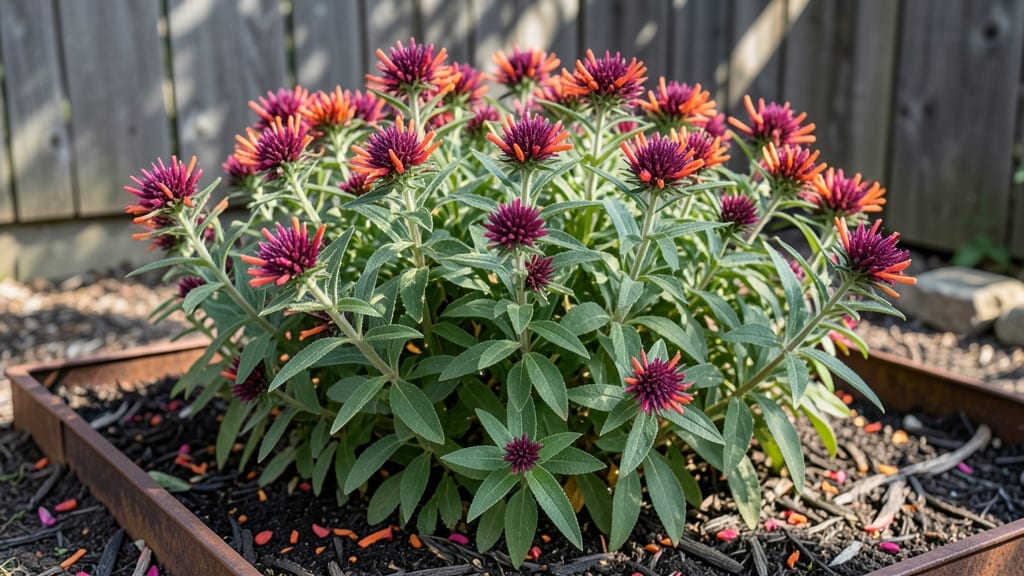
Texas flower gardening starts with sun-loving blooms that turn your yard into a vibrant escape from the heat. 🌻 I’ve seen how the right plants can transform even the driest corners into lush, colorful havens—especially when you choose varieties that thrive in our intense sun and unpredictable rains.
The key isn’t fighting the climate but working with it, selecting flowers that drink less, bloom longer, and handle our sweltering summers with ease.
You’ll need well-draining soil (amend with compost if yours is heavy clay), a mix of native perennials and annuals for year-round interest, and smart watering—think deep soaks in the early morning rather than daily sprinkles.
My go-to Texas-friendly picks include blackfoot daisies for their cheerful yellow blooms, salvias that hummingbirds adore, and lantana for its nonstop color. These plants don’t just survive—they thrive, turning your garden into a magnet for pollinators while keeping maintenance simple.
By mid-spring, you’ll be snipping fresh-cut bouquets from your own yard, and by fall, those same plants will still be putting on a show when many gardens have gone dormant.
The secret is layering plants with different bloom times—so while some fade in the heat, others step up to take center stage. Plus, the right layout (like grouping drought-tolerant plants together) means less water waste and more time enjoying your garden instead of tending it.
This approach works whether you’ve got a small urban plot or a sprawling backyard—just scale the plants to your space. The best part? Once established, these gardens need far less fuss than traditional ones, giving you more time to relax under the shade of your own blooming oasis.
Let’s get those beds prepped!
📚 In This Guide
- What you need
- Instructions
- Tips and common mistakes
- Wrapping up and next steps
What you need
- ● Soil: Well-draining, native Texas soil mix (or amended with compost for better fertility). Quantity: Enough to fill your garden beds (typically 2–4 cubic yards for a 10’x10’ bed).
- ● Sun-loving flowers: Native Texas varieties like Lantana, Blackfoot Daisy, Mexican Feather Grass, or Bluebonnets. Quantity: 3–5 plants per square foot for full coverage.
- ● Mulch: Organic mulch (pine straw, shredded bark, or compost) to retain moisture and suppress weeds. Quantity: 2–3 inches, spread evenly.
- ● Watering system: Drip irrigation or soaker hoses (critical for Texas heat!). Note: Avoid overhead sprinklers to prevent fungal diseases.
- ● Garden gloves (heavy-duty for prickly plants like Lantana).
- ● Hand trowel or transplanting spade (for precise planting).
- ● Pruners (bypass pruners for clean cuts).
- ● Garden hose with adjustable nozzle (for watering and rinsing tools).
- ○ Soil pH test kit (optional but helpful—Texas soil is often alkaline).
- ● Fertilizer: Slow-release, organic fertilizer (e.g., 10-10-10 or compost tea) for nutrient boosts.
- ● Garden markers (to label plants and track varieties).
- ● Shade cloth (for young seedlings if planting in peak summer heat).
- ● Wildlife-friendly additions: Bird feeders or bee houses to attract pollinators!
How to design a thriving Texas flower garden
Here's the straightforward approach I use to keep my Texas garden blooming nonstop—even through brutal summers.
🪴 Step 1: Choose Native and Heat-Tolerant Plants
Texas' intense sun and heat demand plants that thrive in 100°F+ temperatures and low humidity. I focus on native species like blackfoot daisy, Mexican feather grass, and Turk's cap—they've evolved to handle our climate without fuss. For year-round color, add salvias, lantanas, and zinnias to your mix.
Check each plant's water needs—some like blanket flower handle drought, while others like impatiens need consistent moisture. Group plants with similar water requirements together to simplify care. I always plant in morning sun for delicate blooms to avoid afternoon heat stress.
☀️ Step 2: Optimize Sun Exposure and Soil
Most Texas gardens get full sun (6+ hours daily), so position taller plants like snapdragons toward the north side of beds to prevent shading. For afternoon shade, try blue porter weed or plumbago—they handle heat better in partial shade.
Amend your soil with 1-2 inches of compost before planting to improve drainage and fertility. Texas clay soil can bake hard, so I mix in sand or perlite> to loosen it. Test your soil's pH—most Texas natives prefer 6.0-7.5, while azaleas need 4.5-5.5.
💧 Step 3: Water Deeply but Infrequently
Deep watering 2-3 times per week encourages strong root growth, while shallow watering promotes weak, surface roots. I water in the early morning> to reduce evaporation and fungal risks. Let the top 2 inches of soil dry between waterings—this prevents root rot.
Use drip irrigation or soaker hoses to deliver water directly to the roots. Avoid overhead sprinklers—they waste water and can spread fungal diseases. Mulch with 2-3 inches of shredded bark to retain moisture and regulate soil temperature.
✂️ Step 4: Prune and Deadhead Regularly
Deadhead spent blooms weekly> to encourage continuous flowering. For perennials like salvias, I trim back one-third of the plant> in early spring to promote bushier growth. Annuals like zinnias benefit from pinching back the tips to encourage branching.
Remove any yellow or diseased leaves immediately to prevent spread. I always sterilize my pruners with rubbing alcohol between cuts. In late fall, cut back perennials to 6 inches> above the ground, leaving the stems for winter interest.
🌱 Step 5: Seasonal Care for Year-Round Blooms
Spring is for planting and fertilizing—apply a balanced 10-10-10 fertilizer> in early spring to kickstart growth. Summer means extra watering and shade cloth for delicate blooms. Fall is the time to divide perennials and add cool-season plants like pansies and snapdragons.
Winter care is minimal—just protect tender plants with a light frost cloth> if temperatures drop below 25°F. I always take notes on what thrived (or didn't) each season to refine my plant choices for the next year.
Tips & tricks for perfect Texas flower gardening
These game-changing strategies will help you create a lush, vibrant Texas garden that thrives through even the hottest summers.
Heat-Tolerant Plant Selection: When choosing plants for your Texas garden, focus on those that can handle 100°F+ temperatures without wilting. I've found that blackfoot daisy and Mexican feather grass are absolute workhorses—they bloom prolifically in the heat while requiring minimal water. For extra color, add lantanas which are practically indestructible in Texas summers. Remember, the key is selecting plants that match your specific microclimate within your yard.
Soil Preparation Strategy: Texas clay soil can be challenging to work with, but with the right approach, you can transform it into fertile ground. Mix 1-2 inches of compost with your native soil before planting to improve drainage and fertility. For even better results, add sand or perlite to break up the clay's compact nature. I test my soil's pH annually—most Texas natives thrive in 6.0-7.5 range, so adjust with lime if needed. This preparation makes all the difference in plant health and blooming performance.
Watering Wisdom: The 2-3 times per week deep watering schedule is crucial for establishing strong root systems. I've learned the hard way that shallow watering leads to weak, surface roots that can't handle Texas heat. Water in the early morning to prevent evaporation and fungal growth. A simple trick I use is to let the top 2 inches of soil dry between waterings—this mimics natural rainfall patterns and prevents root rot. For established plants, consider installing drip irrigation to deliver water directly to the roots.
Seasonal Care Calendar: Texas gardens need different care throughout the year. In spring, apply a balanced 10-10-10 fertilizer to give plants a growth boost. Summer requires extra attention—watch for signs of heat stress and provide afternoon shade for delicate blooms when needed. Fall is perfect for dividing perennials and adding cool-season plants like pansies. And when temperatures drop below 25°F, protect tender plants with a light frost cloth. Keeping this seasonal calendar helps maintain year-round color and health in your garden.
Pro Tips for Texas Flower Gardening
- These game-changing strategies will help you create a lush, vibrant Texas garden that thrives through even the hottest summers.
- Heat-Tolerant Plant Selection: When choosing plants for your Texas garden, focus on those that can handle 100°F+ temperatures without wilting.
- Soil Preparation Strategy: Texas clay soil can be challenging to work with, but with the right approach, you can transform it into fertile ground.
Frequently asked questions
Got questions about Texas flower gardening?
You’re not alone! Here are answers to the most common queries from gardeners in the Lone Star State—whether you're a beginner or a seasoned pro.
What are the best drought-resistant flowers for Texas gardens?
Texas’ hot, dry climate calls for resilient blooms like Lantana, Blackfoot Daisy, and Mexican Feather Grass. These thrive with minimal water once established. Pair them with native Texas Bluebonnets or Zinnias for vibrant, low-maintenance color that won’t wilt in the heat.
When is the ideal time to plant flowers in Texas?
For spring bloomers (like Petunias or Marigolds), plant in late February to early March after the last frost. Fall favorites (e.g., Mums or Salvias) go in September–October to avoid summer’s brutal heat. Pro tip: Bulbs like Tulips need October planting for spring surprises!
How do I keep pests like aphids or deer away from my Texas garden?
Deer? Use repellent sprays (like Deer Out) or plant deer-resistant flowers like Lantana or Salvia. Aphids? Blast them off with a hose or introduce ladybugs. For extra protection, surround beds with prickly plants like Russian Sage or Agave.
Can I grow flowers in containers in Texas’ extreme heat?
Opt for heat-tolerant varieties like Portulaca (Moss Rose) or Vinca. Use well-draining pots, add mulch to retain moisture, and place containers in partial shade (e.g., under a patio awning). Water early morning to prevent evaporation.
What should I do if my Texas flowers stop blooming?
Over-fertilizing (especially with high-nitrogen) or deadheading too late can stunt blooms. Try light trimming to encourage new growth, reduce water slightly, and switch to a bloom-boosting fertilizer (like 5-10-5). Some plants (e.g., Lantana) naturally slow down in peak summer—prune them back to revive vigor!
Wrapping up and next steps
Gardening in Texas doesn’t have to be a challenge—with the right sun-loving blooms, your yard can burst with color year-round! From drought-resistant wildflowers to vibrant perennials, these plants thrive in the Lone Star State’s heat and humidity.
Whether you’re a beginner or a seasoned gardener, start small, experiment with native species, and enjoy the process.
Ready to transform your outdoor space? Pick one or two plants from this guide, grab your gardening gloves, and plant your first blooms this weekend! 🌸🌞