
Shrubs
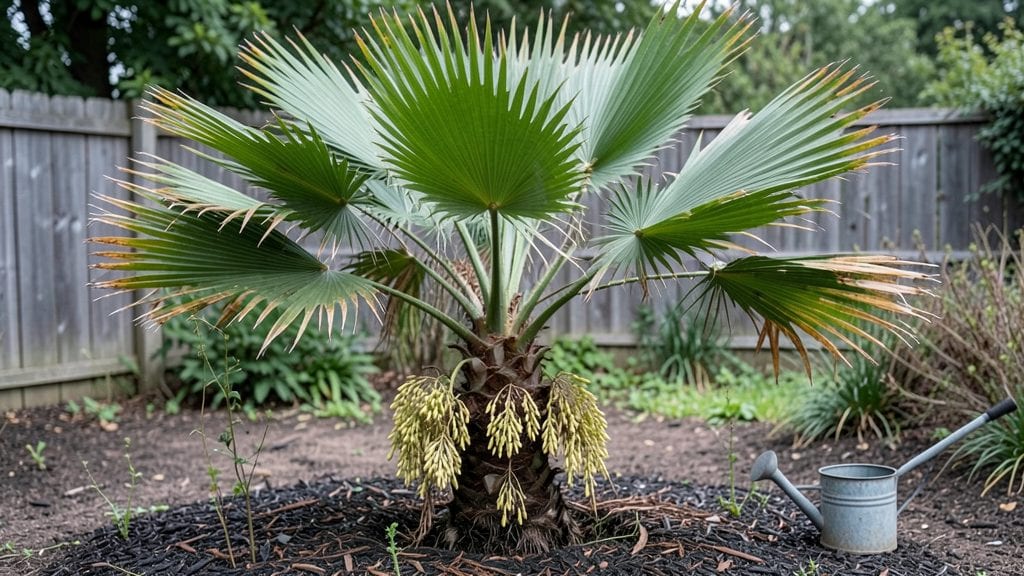
South Florida gardening isn’t just about surviving the heat—it’s about thriving in it. 🌿 I’ve learned that the right plants turn your yard into a lush, private sanctuary that stays vibrant even when the humidity feels like a sauna.
The key is choosing species that love the tropics as much as you do, from salt-tolerant shrubs to wind-resistant palms that sway without snapping in storms.
Most people assume Florida gardening means constant battles with pests and sandy soil, but it’s actually about working with nature. Native plants like coontie palms and firebush need far less water once established, and their deep roots handle our heavy rains like a champ.
Plus, they attract pollinators while keeping your privacy intact—no more peeking through gaps in flimsy fences. The real game-changer? Mulching with pine bark to lock in moisture and keep roots cool.
By the end of your first season, you’ll have a garden that feels like a tropical escape, not a chore. Imagine waking up to the scent of jasmine on a breezy morning, knowing your plants are tough enough to handle whatever Florida throws at them.
The best part? These plants grow faster and stronger than anything you’d buy at a big-box store, because they’re built for our climate. Let’s get your yard looking like a postcard all year.
Whether you’re starting from scratch or refreshing an existing landscape, these tips work for any South Florida yard—from coastal homes battling salt spray to inland gardens fighting off humidity. The secret isn’t just the plants; it’s the confidence that comes from knowing your garden will outlast the next hurricane season.
Ready to make your outdoor space as resilient as it is beautiful?
📚 In This Guide
- What you need
- Instructions
- Tips and common mistakes
- Wrapping up and next steps
What you need
- ● Shrub Plants: Choose from humidity-resistant varieties like: 1–3 Firebush (Hamelia patens) (per 100 sq. ft.)
- ● 1–2 Coastal Rosemary (Westringia fruticosa) (per 50 sq. ft.)
- ● 1–3 Myrsine (Myrsine floridana) (per 100 sq. ft.)
- ● 1–2 Dwarf Schefflera (Schefflera arboricola) (per 25 sq. ft.)
- ● Soil: 1–2 50-lb bags of well-draining potting mix (e.g., Miracle-Gro Potting Mix)
- ● 1–2 50-lb bags of perlite or sand (for aeration, 20% mix ratio)
- ● Tools: 1 shovel or spade (for digging)
- ● 1 pruning shears (sharp, 6–8" blades)
- ● 1 garden trowel (for small adjustments)
- ● 1 wheelbarrow (for transporting soil)
- ● 1 gloves (waterproof, for comfort)
- ● 1 mulch (pine bark or cypress) (2–3" layer to retain moisture)
- ● 1 slow-release fertilizer (e.g., Osmocote Smart-Release) (for nutrient boost)
- ● 1 drip irrigation system (for consistent watering)
- ● 1 soil pH tester (to ensure 5.5–6.5 range)
- ● 1 plant support stakes (for taller varieties like Firebush)
- ● Location: Partial shade to full sun (varies by shrub; check tags!)
- ● Spacing: Follow plant tags (typically 3–6 ft. apart for mature growth).
- ● Water Access: Hose or drip system within 25 ft. of planting area.
- ● Local Regulations: Verify no invasive species (e.g., Melaleuca is banned in FL).
- ● Season Timing: Plant in early spring or fall (avoid peak summer heat!).
How to create a humidity-resistant privacy screen in South Florida
Here's how to build a lush, year-round privacy barrier that thrives in South Florida's heat and humidity.
🌿 Step 1: Choose the Right Plants for Humidity and Sun
South Florida's climate demands plants that love both heat and moisture without becoming invasive. I focus on native species like coontie palm (for structure), firebush (for vibrant color), and coffeeberry (for dense foliage). These handle the humidity while providing year-round coverage.
Plant in clusters of 3-5 plants per section to create a natural, layered look. Space them 4-6 feet apart to allow room for growth without overcrowding. This spacing ensures airflow between plants, preventing fungal issues that thrive in Florida's damp air.
🪴 Step 2: Prepare the Soil for Drainage and Nutrition
South Florida's sandy soil drains too quickly, so I mix 2 inches of compost into the top 12 inches of soil for each plant. This improves moisture retention while preventing root rot. For larger plants like coontie palm, I dig a hole twice as wide as the root ball and just as deep to encourage root spread.
If your soil is particularly compacted, add 1 part perlite to the backfill mix to keep roots aerated. Water the hole thoroughly before planting—this helps settle the soil and removes air pockets that could stress new roots.
☀️ Step 3: Plant for Maximum Privacy and Wind Resistance
Arrange taller plants like coontie palm at the back of your screen, with medium-height firebush in the middle, and low-growing coffeeberry in front. This creates a natural tiered effect that blocks views while allowing light to filter through. Stagger plants in a zigzag pattern to fill gaps as they grow.
Mulch heavily with 3-4 inches of pine bark to retain moisture and regulate soil temperature. Keep mulch 6 inches away from plant stems to prevent rot. Water deeply after planting to help roots establish, but avoid soggy soil—South Florida's humidity is enough without extra moisture.
💧 Step 4: Maintain with Minimal Effort
Once established, these plants need only occasional watering—about once every 2 weeks during dry spells. Fertilize lightly in early spring with a slow-release, organic fertilizer to encourage lush growth without overstimulating foliage in the heat.
Prune lightly in late winter to shape the screen and remove dead or diseased branches. I focus on opening up the center of plants to improve airflow, which keeps humidity-related pests at bay. A quick trim keeps the screen looking neat while maintaining its natural beauty.
Tips & tricks for humidity-resistant South Florida landscaping
Building a privacy screen that thrives in South Florida's unique climate requires a few key strategies to ensure your plants stay healthy and lush year-round.
Native Plant Selection: Stick with native species like coontie palm, firebush, and coffeeberry—they're already adapted to Florida's heat and humidity. These plants have evolved to handle the tropical climate without needing constant care. I've found that native plants also support local wildlife, creating a mini ecosystem right in your yard.
Soil Preparation: The 2 inches of compost mixed into the top 12 inches of soil is absolutely critical. This isn't just about adding nutrients—it's about improving moisture retention in our sandy soil while preventing root rot. For compacted soil, that perlite addition is your secret weapon to keep roots properly aerated. Don't skip this step, especially for larger plants like coontie palm where proper root spread makes all the difference.
Plant Arrangement: When creating your layered look, think about how light will filter through. The taller coontie palm at the back with firebush in the middle and coffeeberry in front creates that perfect balance of privacy and natural light. Pro tip: Stagger your plants in a zigzag pattern—this creates an instant fuller look and helps fill gaps as they grow. It's like planting a living tapestry that gets more beautiful over time.
Maintenance Mindset: The occasional watering schedule—once every 2 weeks during dry spells—might seem counterintuitive in Florida's humidity, but it's perfect. Too much water creates the ideal conditions for fungal issues. And that early spring fertilization? Timing is everything. Applying fertilizer too late in the season can stimulate new growth that won't harden off before summer's heat arrives. Think of it as giving your plants a gentle nudge when they're ready to grow.
Pro Tips for South Florida Gardening
- Building a privacy screen that thrives in South Florida's unique climate requires a few key strategies to ensure your plants stay healthy and lush year-round.
- Native Plant Selection: Stick with native species like coontie palm, firebush, and coffeeberry—they're already adapted to Florida's heat and humidity.
- Soil Preparation: The 2 inches of compost mixed into the top 12 inches of soil is absolutely critical.
Frequently asked questions
Got questions about thriving in South Florida’s humid climate? You’re not alone! Here are answers to the most common gardening queries to help you create a lush, low-maintenance privacy screen with confidence.
What are the best humidity-resistant shrubs for South Florida?
Opt for native or tropical-adapted shrubs like Firebush, Coontie Palm, or Dwarf Schefflera. These handle heat, humidity, and occasional flooding while requiring minimal care. Check our materials guide for full lists!
When is the best time to plant shrubs in South Florida?
Aim for spring (March–May) or fall (September–November) to avoid extreme heat or cold. Avoid planting during the rainy season (June–August) to prevent root rot. Pro tip: Water deeply after planting to help roots establish!
How do I prevent fungal diseases in humid conditions?
Improve airflow with proper spacing, avoid overhead watering, and mulch 3–4 inches deep to keep soil moist but not soggy. Choose resistant varieties like Myrsine or Ficus shrubs. Bonus: Prune regularly to reduce dense foliage.
Can I grow shrubs in full sun or shade?
Most humidity-resistant shrubs thrive in partial shade (4–6 hours of sun), but some like Firebush or Myrsine tolerate full sun. For shadier spots, try Caladiums or Ferns. Always check your plant’s light needs!
How do I keep pests like aphids or whiteflies away?
Encourage natural predators (ladybugs, lacewings) and use neem oil or insecticidal soap for outbreaks. Prune affected branches immediately and avoid over-fertilizing, which attracts pests. Tip: Yellow sticky traps can monitor infestations early!
Still stumped? Drop your question in the comments—we’re happy to help!
Wrapping up and next steps
South Florida’s lush, humid climate may seem challenging for gardening, but with the right humidity-resistant shrubs, you can create a thriving, private oasis year-round! 🌿 From fast-growing Schefflera to elegant Murraya, these plants not only survive but thrive in the heat and humidity, offering beauty and functionality.
Whether you’re a beginner or a seasoned gardener, there’s a perfect shrub waiting for you.
Ready to transform your space? Start small—pick one or two shrubs that fit your style and soil, then expand as you gain confidence. Your dream garden is just a seed (or sapling) away! 🌱