
Tools
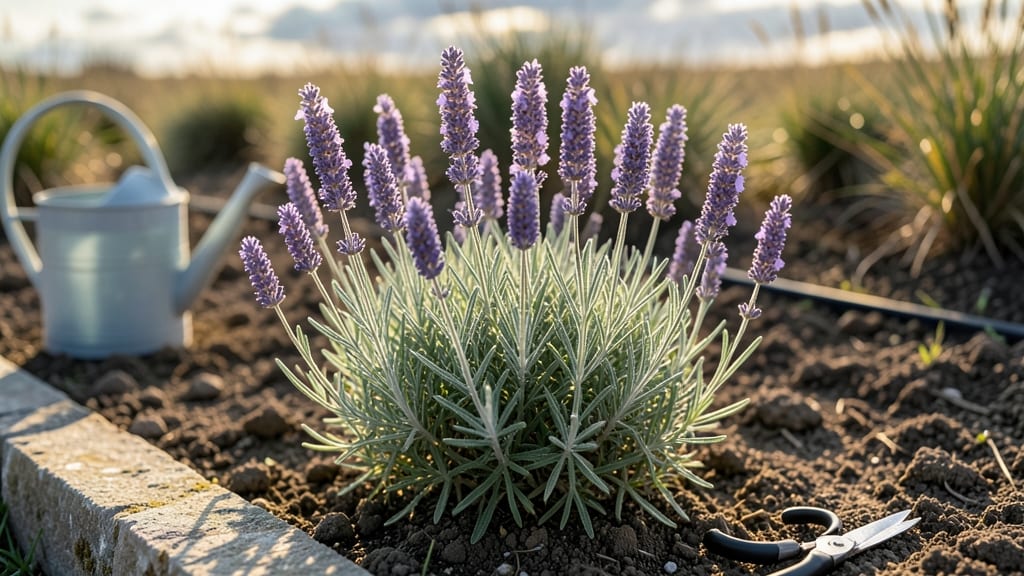
A garden beside your house isn’t just extra green space—it’s a chance to transform your home’s curb appeal while solving real problems like noise, wind, and prying eyes.
I designed my first one after years of struggling with a yard that felt more like an extension of the neighbor’s than my own, and the difference was shocking. The right plants and layout can create a private oasis that still lets light into your home.
Start with the basics: measure sunlight exposure, check drainage near your foundation, and pick plants that thrive close to walls without damaging siding or gutters. Evergreens like arborvitae or boxwoods work as living walls, while flowering shrubs add color without overpowering your home’s architecture.
Even small spaces can fit seating nooks or vertical gardens that double as privacy screens—my balcony setup now feels like a quiet retreat.
By the end, you’ll have a garden that’s both beautiful and functional—think lush foliage that softens your home’s lines, fragrant blooms that welcome guests, and a layout that makes outdoor living feel effortless.
The best part? It stays vibrant year-round with the right plant mix, so you’re never stuck with a boring winter yard. Ready to make that blank wall work for you?
This approach works for any home style, from modern minimalist to cozy cottage, and adapts to different climates. The key is balancing structure with softness—hard edges for definition, flowing plants for movement. Let’s turn that empty space into your favorite part of the yard.
📚 In This Guide
- What you need
- Instructions
- Tips and common mistakes
- Wrapping up and next steps
What you need
- ● Soil & Amendments: Topsoil (2–3 cubic yards, depending on garden size)
- ● Compost or organic matter (1–2 bags per 10 sq. ft. for nutrient-rich soil)
- ● Mulch (2–3 cubic feet; cedar or pine for privacy hedges, shredded bark for flowers)
- ● Plants & Greenery: Privacy plants (e.g., Bamboo, Arborvitae, or Holly – 5–10 plants per 10 ft. of space)
- ● Perennials/annuals (e.g., Hosta, Lavender, or Impatiens – 3–5 plants per section)
- ● Climbing plants (e.g., Clematis or Jasmine – 1–2 vines per trellis)
- ● Structural Elements: Trellises or lattice panels (1–2 per 10 ft. for climbing plants)
- ● Garden stakes or cages (for support, 1–2 per plant)
- ○ Decorative stones or pavers (optional, for pathways or borders)
- ● Digging & Planting: Shovel (heavy-duty, for breaking ground)
- ● Garden trowel (for precise planting)
- ● Hoe or garden fork (for soil prep)
- ● Measuring & Marking: Measuring tape (25 ft. for layout planning)
- ● Spray paint or stakes (to mark plant locations)
- ● Maintenance: Pruners (bypass or anvil type)
- ● Garden shears (for shaping hedges)
- ● Wheelbarrow (for hauling soil/mulch)
- ● Prep Work: Clear debris or weeds from the area
- ● Check soil drainage (amend if needed with sand or perlite)
- ○ Optional Upgrades: Drip irrigation system (for low-maintenance watering)
- ● Solar-powered lights (for ambiance)
- ● Outdoor rug or seating (to extend living space)
Instructions for designing a functional and attractive garden along your home
Here’s how to create a garden that enhances privacy, adds beauty, and thrives year-round without overwhelming your space.
Assess the Space and Plan the Layout
Start by measuring the area beside your house, noting sunlight exposure and any obstacles like windows or doors. I like to sketch a rough outline on graph paper, marking where the sun hits strongest—this determines where sun-loving plants go. Look for spots that get at least 6 hours of direct sunlight for most plants, while shadier areas can accommodate ferns, hostas, or ornamental grasses.
Divide the space into zones: a front layer for tall plants like shrubs or small trees, a middle layer for medium-height plants, and a ground layer for low-growing perennials or mulch. This creates depth and ensures nothing blocks sunlight from reaching lower plants. If your space is narrow, focus on vertical elements like trellises or climbing roses to maximize impact without taking up extra room.
Choose Plants for Privacy and Year-Round Interest
For quick privacy, I recommend evergreen shrubs like boxwood, holly, or arborvitae, which stay lush all year. If you want variety, mix in deciduous plants like ornamental cherry trees or hydrangeas for seasonal color. Place taller plants closest to the house, gradually stepping down in height as you move outward.
Add texture with plants like lavender, Russian sage, or ornamental grasses—these thrive in tight spaces and provide fragrance or movement. For year-round greenery, include hemlock, yew, or inkberry holly, which hold their color even in winter. Avoid overcrowding; give each plant 2-3 feet of space to grow without competing for nutrients.
Prepare the Soil and Plant for Long-Term Success
Before planting, loosen the soil to a depth of 12 inches with a garden fork or tiller. Amend it with 2-3 inches of compost to improve drainage and fertility—this is especially important if your soil is heavy clay or sandy. Test the pH if possible; most shrubs prefer a slightly acidic to neutral range (6.0-7.0).
Dig holes twice as wide as the root ball but only as deep. Place each plant so the top of the root ball sits 1 inch above ground level—this prevents rot. Backfill with native soil, firm gently, and water deeply to settle everything. Mulch with 2-3 inches of shredded bark or pine straw to retain moisture and suppress weeds, but keep mulch 6 inches away from plant stems to avoid rot.
Install Irrigation and Maintenance Plan
Set up a drip irrigation system or soaker hoses to deliver water directly to the roots, reducing waste and keeping leaves dry (which prevents fungal diseases). Water 1-2 times per week, depending on rainfall, until plants are established (6-12 months). You’ll know they’re getting enough water when the soil feels moist 2-3 inches down but not soggy.
Schedule regular maintenance: prune shrubs in late winter or early spring before new growth starts, and deadhead spent blooms to encourage more flowers. Fertilize lightly in early spring with a balanced, slow-release fertilizer to support steady growth. Monitor for pests like aphids or spider mites—spray with neem oil if you spot them early.
Add Finishing Touches for Curb Appeal
Incorporate hardscaping elements like stone borders, decorative rocks, or a small bench to define the space and add visual interest. Solar-powered path lights or string lights can highlight the garden at night while keeping energy costs low. If you have pets or kids, avoid toxic plants like oleander or foxglove—opt for safe, durable options like rosemary, daylilies, or sedum.
Finally, add seasonal accents: spring bulbs like daffodils, summer annuals for color, and fall mums to keep the garden vibrant. Step back and adjust as needed—sometimes a single plant needs relocating, or a path needs widening. The goal is a space that feels intentional, not cluttered.
Tips & tricks for designing a functional garden along your home
Creating a garden that offers both privacy and beauty requires thoughtful planning. Here are the key strategies that will help you avoid common mistakes and achieve a stunning, low-maintenance space.
Sunlight Mapping: I can't stress enough how important it is to map your sunlight exposure before selecting plants. Use a simple app or even a notebook to track sunlight patterns over a week. This will help you place sun-loving plants like lavender and Russian sage in areas that get at least 6 hours of direct sunlight, while shadier spots can accommodate ferns or hostas. This step alone prevents the most common mistake of planting the wrong species in the wrong location.
Layering for Depth: The three-layer approach—tall plants in the front, medium in the middle, and low-growing plants at the back—creates visual depth that makes your garden feel more spacious. For narrow spaces, consider vertical elements like trellises or climbing roses. These can add 6-8 feet of height without taking up valuable ground space, making them perfect for tight areas beside your home.
Soil Preparation: Don't skip the soil preparation step, especially if you have heavy clay or sandy soil. Loosening the soil to a depth of 12 inches and amending it with 2-3 inches of compost makes a world of difference in plant health. I always test the pH level too—most shrubs prefer a slightly acidic to neutral range (6.0-7.0). This foundational work ensures your plants establish strong root systems right from the start.
Seasonal Planning: Think ahead about seasonal interest when selecting plants. Evergreens like boxwood and holly provide year-round coverage, while deciduous plants like hydrangeas offer seasonal color. Adding spring bulbs, summer annuals, and fall mums ensures your garden remains vibrant throughout all four seasons without overwhelming your space at any single time.
Pro Tips for Garden Beside House
- Creating a garden that offers both privacy and beauty requires thoughtful planning.
- Sunlight Mapping: I can't stress enough how important it is to map your sunlight exposure before selecting plants.
- Layering for Depth: The three-layer approach—tall plants in the front, medium in the middle, and low-growing plants at the back—creates visual depth that makes your garden feel more spacious.
Frequently asked questions
Got questions about creating a lush, private garden beside your house? Here are some common concerns—and straightforward answers—to help you plan with confidence!
What’s the best time of year to plant a garden beside my house?
The ideal time depends on your climate, but spring (after the last frost) and early fall are generally best for most plants. Perennials and shrubs thrive when planted in cooler months, while annuals can go in once soil warms. For tropical or heat-loving plants, wait until late spring to avoid transplant shock.
How can I maximize privacy without blocking sunlight for my home?
Use a mix of fast-growing evergreens (like bamboo or arborvitae) and deciduous trees to balance privacy and light. Place taller plants on the north side of your house to avoid shading windows. Vines on trellises or arbors also add greenery without heavy obstruction.
Are there low-maintenance alternatives to traditional hedges?
Consider native shrubs (e.g., boxwood, holly, or butterfly bush), ornamental grasses, or even dwarf conifers. These require less pruning, water, and upkeep while still offering year-round appeal. Ground covers like ivy or creeping thyme also reduce weeds and erosion.
How do I prevent my garden from attracting pests like deer or rabbits?
Use natural deterrents like deer-resistant plants (e.g., lavender, Russian sage, or daffodils). Install a physical barrier (chicken wire or mesh) around young plants, and consider motion-activated sprinklers. Mulch with cedar chips—deer dislike the scent!
What’s the cheapest way to create a garden beside my house?
Start with cuttings or divisions from existing plants, use free mulch (like grass clippings or fallen leaves), and shop for perennials in late summer when prices drop. DIY projects like pallet planters or upcycled containers also stretch your budget while adding charm.
Will a garden beside my house affect my home’s foundation or drainage?
If planned carefully, no! Keep plants at least 3–5 feet away from your foundation to avoid moisture buildup. Use gravel or French drains to redirect water, and opt for drought-tolerant species in wet climates. Always check local building codes before major landscaping.
Wrapping up and next steps
A garden beside your house isn’t just a dream—it’s a doable, rewarding project that boosts privacy, beauty, and even property value. 🌿 Whether you’re planting evergreens, adding cozy seating, or layering seasonal blooms, every step brings you closer to a serene outdoor retreat.
Start small, stay consistent, and watch your space transform into a lush, year-round sanctuary.
Ready to dive in? Pick one corner of your yard this weekend—sketch a simple design, gather a few tools, and take the first step. Your future self (and your neighbors!) will thank you. Happy gardening! 🌱