
Diseases
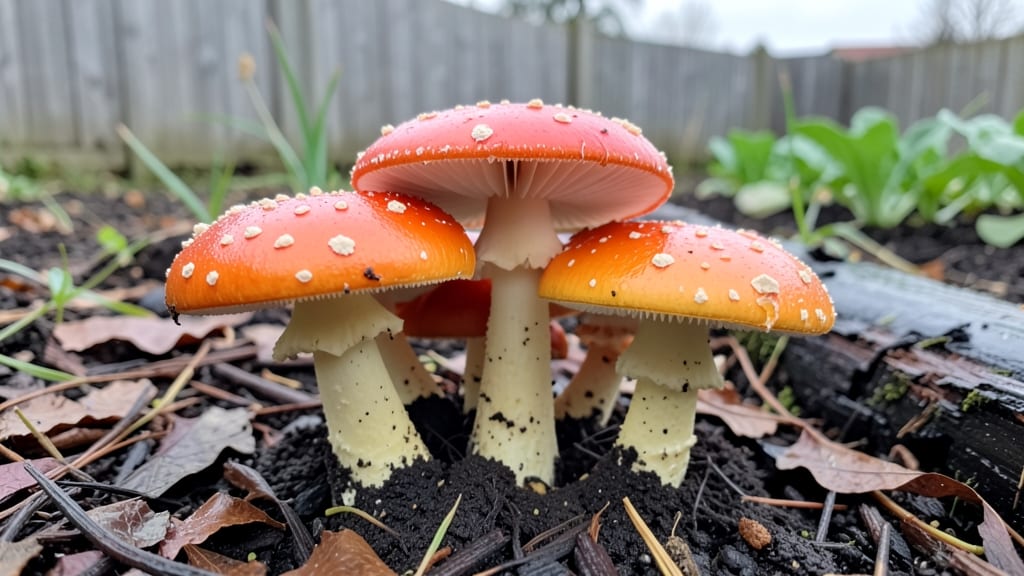
Spotting strange mushrooms growing in my garden can feel like a mystery—especially when you’re not sure if they’re harmless or a sign of trouble. 🌱 I’ve had my share of mushroom surprises, from delicate white clusters to suspicious-looking orange puffballs, and I’ve learned how to tell friend from foe.
The key isn’t just removing them but understanding what they mean for your soil and plants.
Most garden mushrooms are harmless decomposers breaking down organic matter, while others form beneficial relationships with tree roots. But a few can signal rot, pests, or even toxicity—so knowing the difference saves you from unnecessary panic or risk.
I’ll walk you through how to identify common types, when to act, and how to keep your garden healthy without chemicals.
You’ll learn to spot the telltale signs of mycorrhizal helpers versus trouble-makers, like the bright orange Armillaria (honey fungus) that can weaken trees. With the right approach, you can remove unwanted mushrooms safely and even use their presence to improve your soil—if you know what you’re dealing with.
Whether you’re a curious beginner or a seasoned gardener, this guide cuts through the confusion so you can handle mushrooms with confidence. Let’s get started!
Natural Causes Behind Fungal Growth
If you’ve spotted unexpected mushrooms popping up in your garden, don’t panic—there’s usually a logical (and often harmless) explanation behind their appearance. Fungi thrive in specific conditions, and understanding why they show up can help you manage—or even prevent—their growth.
Below are the most common reasons these strange visitors invade your garden, backed by science and practical insights.
🌧️ Excess moisture & poor drainage
Fungi love water—too much of it, that is. Mushrooms often sprout in gardens with overly moist soil, especially after heavy rain, overwatering, or poor drainage. Here’s why:
- Spores germinate in damp conditions. Most mushroom species require high humidity (above 70%) to grow. If your soil stays soggy for days, spores lying dormant in the soil or compost will wake up and sprout.
- Decay accelerates. Wet soil speeds up the breakdown of organic matter (like dead leaves or wood chips), releasing nutrients that fungi use as food. This is why mushrooms often appear after leaf litter piles or mulch decompose.
- Root competition. Overwatered plants weaken roots, creating gaps in the soil where fungi can establish themselves without competition.
Actionable fix: Improve drainage by amending soil with perlite, sand, or compost, and avoid watering at night. If mushrooms keep returning, consider installing French drains or raised beds in problem areas.
🍄 Decomposing organic matter
Mushrooms are nature’s recyclers—they break down dead plant material, wood, and even animal waste. If your garden has hidden pockets of organic debris, you’re essentially feeding a fungal buffet. Common culprits include:
- Buried wood or logs. Fungi like oyster mushrooms or shelf fungi colonize dead wood, often appearing at the base of stumps or mulch made from wood chips.
- Leaf litter or grass clippings. Thick layers of organic matter (especially in shaded areas) trap moisture and create the perfect environment for fairy ring mushrooms or inky caps.
- Compost piles. If your compost isn’t hot enough (above 140°F), pathogens and fungi can survive, leading to unwanted sprouts.
Actionable fix:
- 🔥 Remove visible debris: Dig out buried wood, rake up thick leaf layers, and turn compost regularly to raise its temperature.
- 🌡️ Use "brown" materials: Balance nitrogen-rich greens (like grass clippings) with carbon-rich browns (dry leaves, straw) to speed up decomposition and reduce fungal growth.
🌱 Disturbed or compacted soil
When soil is physically disrupted—whether by digging, construction, or even heavy foot traffic—it exposes buried fungal networks (called mycelium) to air and moisture. This triggers spores to fruit and produce mushrooms. Here’s the science:
- Mycelium seeks oxygen. Fungi grow underground in a vast, thread-like network. When you disturb the soil, mycelium rises to the surface to reproduce via mushrooms, almost like a plant sending up flowers.
- Compacted soil traps moisture. Heavy machinery or poor soil structure prevents water from draining, creating the ideal fungal wetland.
Actionable fix:
- 💡 Aerate the soil: Use a garden fork or aerator to break up compacted areas, especially before planting.
- ✨ Add organic matter: Mix in compost or aged manure to improve soil structure and reduce compaction.
🐛 Buried fungal networks from nearby sources
Mushrooms don’t appear out of thin air—they’re often the visible tip of an invisible iceberg. If you’ve noticed them in one spot but not others, the mycelium (the fungal "roots") might be spreading from a hidden source, such as:
- Tree roots or stumps. Many mushrooms, like chicken of the woods, grow at the base of trees or on dead roots. The mycelium can extend feet underground, waiting for the right conditions to fruit.
- Neighboring gardens or wild areas. Wind, water, or even animals can transport spores long distances. If your garden borders a wooded area, expect occasional fungal visitors.
- Past garden activities. If you’ve recently planted bulbs, amended soil with compost, or even laid down mulch, buried mycelium may have hitched a ride.
Actionable fix:
- 🔍 Identify the source: Trace the mushrooms back to their origin (e.g., near a tree, under mulch, or along a property line).
- 🚫 Limit organic additions: If the source is uncontrollable (like a neighbor’s wooded lot), reduce fresh mulch or compost in that area.
While some mushrooms are harmless (or even beneficial), others can signal deeper issues like root rot or soil pathogens. If you’re unsure about safety or persistence, learn how to ID them or consider testing your soil for fungal activity. The key is acting before the problem spreads!
How to Fix Unwanted Garden Fungi
If you’ve spotted strange mushrooms popping up in your garden, don’t panic—there are practical ways to address the issue safely and effectively. Below are targeted solutions based on the most common causes, along with prevention tips to keep your garden healthy.
🔥 Remove the Source: Eliminate Existing Fungi
If the mushrooms are growing from decaying wood, buried debris, or animal waste, the first step is to remove the source.
- 🍄 Dig Out the Mushrooms (and Roots)
- Carefully pull mushrooms from the soil, ensuring you remove the entire base (including any hidden mycelium).
- If they’re growing from wood, cut the infected section and dispose of it in a sealed trash bag (not compost).
- Pro Tip: 💡 Wipe the area with a 10% bleach solution (1 part bleach to 9 parts water) to kill lingering spores.
- 🌱 Improve Soil Drainage
- Waterlogged soil encourages fungal growth. Amend clay-heavy soil with compost or sand to improve aeration.
- Avoid overwatering—mushrooms thrive in damp conditions. Water deeply but only when the top inch of soil is dry.
👨🍳 Treat Fungal Infections: Natural & Chemical Options
If mushrooms are a symptom of a larger fungal issue (like wood rot or lawn diseases), targeted treatments can help.
- 🌿 Natural Remedies (Safe for Plants & Pets)
- Hydrogen Peroxide Spray (3%)
- Mix 1 part hydrogen peroxide with 4 parts water and spray directly on affected areas.
- ⏰ Reapply every 3-5 days until mushrooms disappear.
- Baking Soda Solution (For Lawn Fungi)
- Combine 1 tbsp baking soda + 1 gallon water + a few drops of dish soap.
- Spray on grass or soil—safe for most plants and disrupts fungal growth.
- Neem Oil (Fungicidal & Preventative)
- Mix 2 tbsp neem oil + 1 tsp mild soap + 1 quart water.
- Spray on soil and plant bases—works best in warm, dry conditions.
- Hydrogen Peroxide Spray (3%)
- 💊 Chemical Fungicides (For Severe Cases)
- Systemic fungicides (like Myclobutanil or Propiconazole) can treat deep-rooted issues.
- Spot-treat only where needed—follow label instructions carefully.
- ⚠️ Warning: Avoid chemical treatments near edible plants or water sources.
🌡️ Adjust Garden Conditions: Prevent Future Growth
Mushrooms often return if environmental factors aren’t addressed. Take these steps to break the cycle:
- 🌞 Increase Sunlight & Airflow
- Thin out dense plantings to allow better circulation.
- Prune overgrown shrubs or trees shading the area.
- 🌧️ Reduce Moisture Retention
- Install French drains or gravel beds in soggy spots.
- Avoid mulching too thickly—2-3 inches max prevents excess moisture.
- 🍂 Clean Up Debris Regularly
- Remove fallen leaves, old wood, and plant waste weekly to deny fungi a food source.
- 🔥 Burn or compost debris only if disease-free—otherwise, bag and trash it.
🎯 Long-Term Prevention: Keep Fungi at Bay
Once you’ve dealt with the immediate problem, proactive care ensures mushrooms don’t return.
| Prevention Tip | How to Do It |
|---|---|
| Test Soil pH | Aim for 6.0-7.0—mushrooms love acidic or alkaline extremes. Adjust with lime (to raise) or sulfur (to lower). |
| Plant Fungal-Resistant Species | Choose drought-tolerant plants (like lavender, rosemary) that discourage moisture-loving fungi. |
| Encourage Beneficial Microbes | Apply compost tea or mycorrhizal fungi to outcompete harmful spores. |
| Monitor & Act Fast | Check garden beds weekly—early removal prevents spread. |
Final Thought: 🌱 Most garden mushrooms are harmless, but if they’re ruining your lawn or plants, act quickly with removal, treatment, and prevention. With the right approach, your garden can stay fungus-free and thriving!
Frequently asked questions
How do I tell if the mushrooms in my garden are safe to ignore?
Most garden mushrooms are harmless and simply break down organic matter or form beneficial relationships with plants. Focus on their location—if they’re growing in mulch, wood chips, or shaded areas without harming plants, they’re likely safe. However, if you see mushrooms near wilting plants, discolored soil, or strange smells, they may indicate an underlying issue like root rot or excess moisture.
Are there any mushrooms I should avoid touching or removing?
Yes! Avoid mushrooms that are slimy, have a foul odor, or grow in clusters near decaying wood—these could be toxic or harmful. The "chicken of the woods" is edible, but bright orange or yellow mushrooms near trees might signal Armillaria root rot, which can harm plants. When in doubt, take a photo and consult a local mycologist or use a mushroom identification app for verification.
What’s the best way to remove mushrooms without bringing more back?
Pull them out by hand, ensuring you remove the entire base and any visible mycelium. For stubborn mushrooms, spray the area with a 3% hydrogen peroxide solution (1 part peroxide to 4 parts water) to kill lingering spores. Avoid tilling or digging, as this can spread the fungal network underground. Focus on improving drainage and reducing moisture in the affected area.
Can mushrooms actually help my garden?
Many mushrooms form symbiotic relationships with plants, helping roots absorb water and nutrients. Mycorrhizal fungi, for example, grow alongside tree roots and improve soil health. If you see mushrooms near healthy plants, they’re likely doing more good than harm—just keep an eye on their behavior to ensure they’re not outcompeting your crops.
When should I call a professional for mushroom identification?
Consult a professional if the mushrooms are growing in unusual patterns, have strange colors or textures, or appear alongside sickly plants. Toxic mushrooms (like the deadly amanita phalloides) often have distinct features like white gills or a volva (a cup-like base). If you suspect a harmful species or a widespread fungal infection, a mycologist can provide targeted solutions to protect your garden.