
Watering
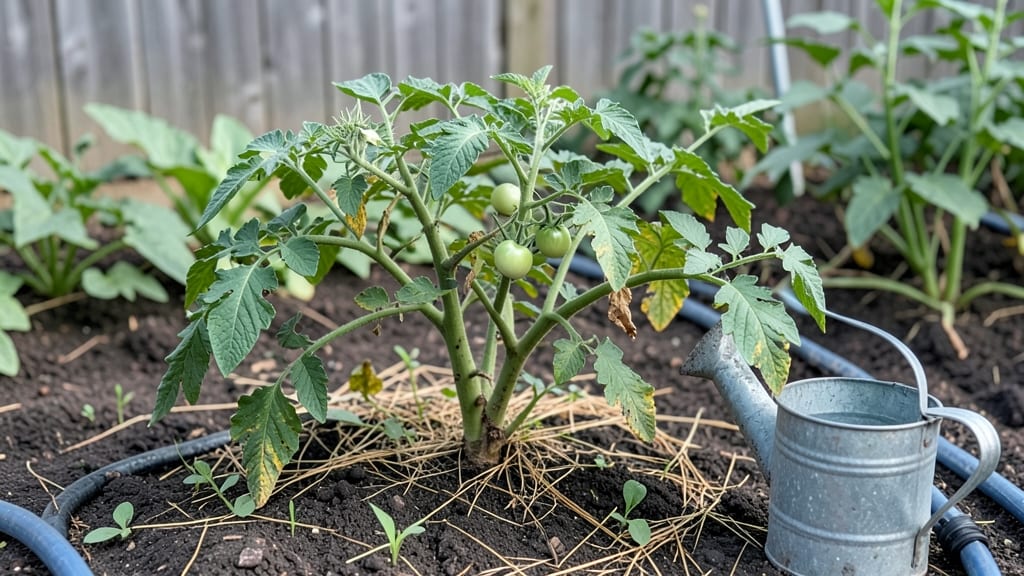
Morning watering gives plants a head start by letting moisture seep into the soil gradually, especially when temperatures rise during the day. 🌞 This method also minimizes fungal risks since foliage dries quickly under sunlight, unlike evening watering which can leave plants damp overnight—creating perfect conditions for mold and mildew.
For container plants or those with shallow roots, morning sessions ensure consistent hydration without waste.
💡 In This Article
- How Morning vs Evening Watering Affects Plant Growth
- Best Watering Practices by Plant Type and Climate
How morning vs evening watering affects plant growth
The key difference between morning and evening watering lies in evaporation rates and root absorption efficiency. During cooler morning hours, soil retains moisture longer due to lower temperatures (typically 50-75°F), allowing roots to absorb up to 30% more water before the sun intensifies.
This gradual hydration mimics natural rainfall patterns, which plants have evolved to expect. 🌱 The soil's moisture content remains stable for hours, giving roots time to transport water and nutrients throughout the plant system.
Evening watering creates a different dynamic. While it may feel logical to water when it's cooler, the problem arises from higher humidity levels at night (often 70-90% RH) combined with slower evaporation.
This creates a damp environment that lingers on leaves and soil, increasing the risk of fungal infections like powdery mildew or black spot. Studies show plants watered in the evening can experience 2-3 times more fungal growth compared to morning watering, especially in humid climates.
The trade-off is that evening watering can be beneficial in arid regions where daytime evaporation would waste 40-50% of water before roots could absorb it.
Temperature also affects nutrient uptake. Cooler morning soil temperatures (60-70°F) allow roots to absorb water and dissolved nutrients more efficiently than warmer evening soil. This is particularly crucial during a plant's active growth phases when it needs maximum hydration.
For example, tomatoes and peppers—both heavy feeders—show 15-20% better fruit development when watered consistently in the morning due to improved nutrient translocation. The science behind this involves stomatal behavior: plant pores open wider in cooler conditions, facilitating better gas exchange and water absorption.
Another critical factor is the plant's natural circadian rhythm. Most plants exhibit peak metabolic activity during daylight hours, which aligns perfectly with morning watering. This timing ensures the plant can immediately utilize the water for photosynthesis and growth processes.
In contrast, evening watering often results in excess moisture sitting in the soil overnight, which can lead to anaerobic conditions—where soil lacks oxygen—harming beneficial microbial activity that supports root health. 💧 This microbial ecosystem is essential for breaking down organic matter and making nutrients available to plants.
Let's look at the numbers: In a 75°F climate, morning watering at 6 AM results in only 10-15% water loss by noon, while evening watering at 6 PM leaves 60-70% of water available for roots before sunrise. This dramatic difference explains why morning watering is preferred for most gardeners.
However, in desert climates where daytime temperatures exceed 90°F, evening watering can be more efficient as it reduces daytime evaporation losses by up to 60%.
For container plants or those with shallow root systems, morning watering provides an additional advantage: it prevents water from pooling at the base of stems, which can cause rot. The quick evaporation during the day ensures containers dry out between waterings, maintaining healthier root zones.
This is particularly important for herbs like basil or cilantro, which are prone to root rot if kept too wet. The contrast between morning and evening watering becomes especially noticeable in humid environments, where evening watering can create the perfect conditions for fungal spores to germinate on damp foliage.