
Tools
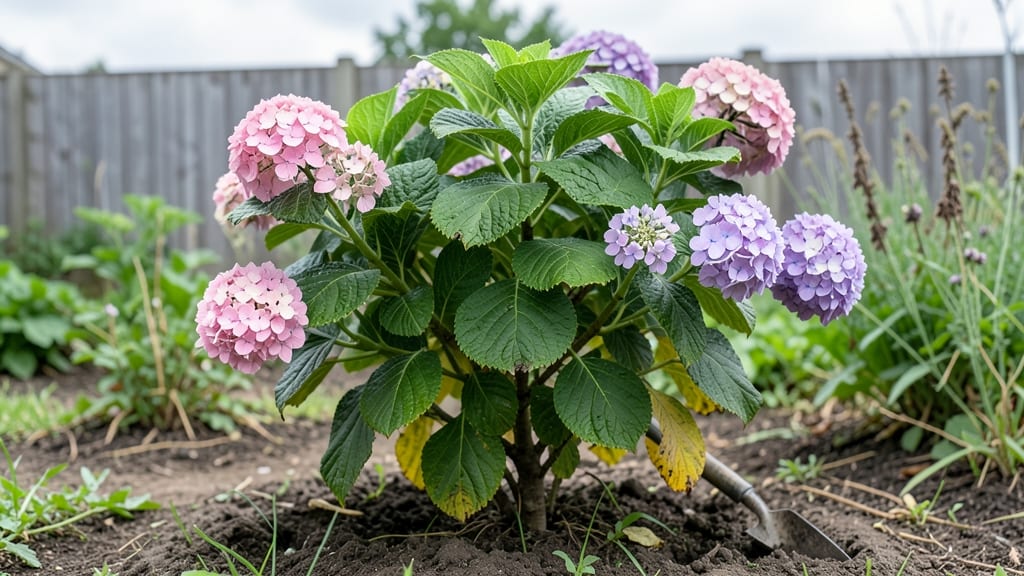
A front garden layout isn't just about plants—it's the first impression your home makes. I spent years transforming my narrow, shady yard into a layered oasis that neighbors stop to admire.
The secret? Combining tall evergreens at the back, mid-height shrubs, and cascading perennials to create depth without overwhelming the space.
Start by measuring sunlight spots—full sun for roses, partial shade for hydrangeas, and deep shade for ferns. Add hardscaping like stepping stones or a small patio to define zones without sacrificing greenery.
My front yard now has a 3-foot-wide path lined with dwarf boxwoods, letting visitors stroll past without trampling the beds.
You’ll end up with a garden that feels intentional, not random—where every plant has a job. The tallest elements frame the house, mid-height plants add texture, and trailing vines soften edges. Even in small spaces, this layering trick makes your yard look twice as big while requiring less maintenance.
Works for any style—cottage charm, modern minimalism, or a wildlife haven. The key is balancing structure with softness, so your front garden feels inviting year-round. Let’s sketch out your vision step by step.
📚 In This Guide
- What you need
- Instructions
- Tips and common mistakes
- Wrapping up and next steps
What you need
- ● Soil & Amendments: Topsoil (2–4 cubic yards, depending on garden size)
- ● Compost (1–2 bags, 40 lb each, for nutrient-rich soil)
- ● Organic mulch (2–3 bags, 2 cubic feet each, for moisture retention)
- ● Plants & Hardscaping: Foundation plants (e.g., boxwoods, hydrangeas—3–5 per layer)
- ● Medium-height shrubs (e.g., abelia, lilac—2–4 per section)
- ● Tall accent plants (e.g., ornamental grasses, small trees—1–2 per focal point)
- ● Perennials/annuals (10–20 plants for color variety)
- ● Gravel or decorative stones (1–2 bags, 50 lb each, for pathways)
- ● Mulch fabric (1 roll, 4’ x 50’ for weed suppression)
- ● Hardware & Tools: Shovel & spade (1 each)
- ● Garden fork (1 for aerating soil)
- ● Wheelbarrow (1 for hauling materials)
- ● Pruners (bypass or anvil, 1 pair)
- ● Measuring tape (25’)
- ● String & stakes (for layout guidelines)
- ● Garden gloves (1–2 pairs)
- ● Watering can or hose with nozzle
- ● Edging tools (metal or plastic, 1–2 for clean borders)
- ● Outdoor lighting (solar-powered path lights or spotlights, 4–6)
- ● Decorative planters (1–2 for elevated displays)
- ● Trellis or arbor (1 for climbing plants like ivy or roses)
- ● Bench or small seating (for a cozy focal point)
- ● Weather-resistant paint or stains (for wooden elements)
Instructions for designing a front garden layout that stands out
Here’s how to create a layered, low-maintenance front garden that draws the eye and thrives year-round.
Define Your Garden’s Scale and Zones
Measure your front space from the sidewalk to the house, then divide it into three vertical layers: tall anchor plants (3–6 feet), mid-height fillers (1–3 feet), and ground cover or low borders (under 1 foot). I always sketch a rough outline on graph paper—this keeps proportions balanced without overwhelming the house.
For a 4-foot-wide bed, I recommend 1 tall specimen (like a small tree or shrub) per 4 feet of width, 2 mid-height plants (such as shrubs or perennials) spaced evenly, and 3 ground covers (like creeping thyme or ornamental grasses) to tie everything together. This ratio works for most suburban front yards.
Select Plants for Year-Round Interest
Choose plants that offer color, texture, and structure in every season. Start with evergreens (like boxwood or holly) for winter backbone, then layer in spring bloomers (daffodils, tulips), summer fillers (coneflowers, black-eyed Susans), and fall foliage (maple trees, ornamental grasses). I avoid seasonal plants that look bare for half the year.
For a drought-tolerant design, group plants with similar water needs together. For example, place succulents and lavender near the sidewalk (where they get reflected heat) and moisture-loving ferns near the foundation. Always check plant tags for mature size—nothing kills curb appeal faster than a shrub that outgrows its space.
Arrange for Depth and Texture Contrast
Place the tallest plants closest to the sidewalk to create a natural frame, then step back mid-height plants, and fill the front with low-spreading ground covers. This creates visual depth and prevents a flat, monotonous look. I like to mix broadleaf plants (hostas, heucheras) with needled evergreens (juniper, yew) for contrast.
Add 3–5 focal points—like a bench, small statue, or climbing rose—to draw the eye. Avoid symmetry unless your home’s architecture demands it; most front gardens look more natural with asymmetrical groupings. For example, place a single ornamental grass clump off-center near the walkway to break up linearity.
Install Hardscaping for Structure and Flow
Define paths with stepping stones or gravel to guide visitors through the garden. For a 4-foot-wide bed, I use 2–3 stones spaced evenly along the center, leaving 18–24 inches of planting space on either side. This keeps the garden accessible while maintaining a lush look.
Add raised beds or borders (using bricks, stone, or metal edging) to contain plants and prevent soil erosion. I always slope the ground slightly away from the house to redirect water and avoid foundation issues. If your yard has a slope, terrace it with retention walls to create level planting areas.
Mulch and Maintain for Long-Term Appeal
Spread 3 inches of mulch (wood chips, gravel, or shredded bark) over the soil to suppress weeds and retain moisture. Keep mulch 2–3 inches away from plant stems to prevent rot. I refresh mulch annually in early spring—this also gives me a chance to check for invasive weeds before they spread.
Water deeply once a week (or more in drought) to encourage deep root growth. Most front gardens need 1–1.5 inches of water per week, delivered slowly at the base of plants. Avoid overhead sprinklers—they waste water and promote fungal diseases. A soaker hose buried under mulch is my go-to for efficient hydration.
Tips & tricks for perfect front garden layouts
A few strategic adjustments can transform your front yard from ordinary to extraordinary. Here’s how to elevate your design with thoughtful execution.
Visualize Before You Plant: Before purchasing a single plant, create a scaled drawing of your front garden using graph paper. This isn’t just about proportions—it’s about understanding how sunlight moves across your space throughout the day. Mark the paths of morning sun (east side) and afternoon sun (west side), then place sun-loving plants like lavender and black-eyed Susans where they’ll thrive. I’ve seen too many gardens where plants struggle because their light requirements were ignored—this step prevents costly mistakes.
Prioritize Plant Maturity: The dimensions in Step 1 (3–6 feet for tall anchors, 1–3 feet for mid-height fillers) refer to mature sizes, not the small pots you’ll buy at the nursery. Always check plant tags for mature height and spread, and avoid impulse purchases of plants that will outgrow their space in 3–5 years. For example, a compact boxwood might look perfect now but become a maintenance nightmare if it’s supposed to reach 6 feet tall. When in doubt, ask nursery staff for “dwarf” or “miniature” varieties—they’re specifically bred for smaller spaces.
Layer for Seasonal Interest: The year-round interest mentioned in Step 2 isn’t just about having flowers—it’s about creating a dynamic visual experience. Pair evergreens like holly (which provide structure in winter) with spring bloomers such as tulips, summer fillers like coneflowers, and fall foliage from ornamental grasses. I like to add one “surprise” plant that offers unexpected color or texture, like a variegated hosta or a purple-leafed shrub. This ensures your garden remains engaging from January through December without requiring constant replanting.
Hardscaping as a Framework: The stepping stones or gravel paths in Step 4 aren’t just functional—they’re the backbone of your design. Use them to create a natural flow that guides visitors toward your front door. For a 4-foot-wide bed, the recommended 2–3 stones spaced 18–24 inches apart creates a subtle rhythm that feels intentional. If your yard has a slope, consider using retaining walls not just for terraces, but also as vertical gardens where you can tuck in cascading plants like ferns or ivy. This adds another dimension to your design while solving practical drainage issues.
Pro Tips for Front Garden Layout
- A few strategic adjustments can transform your front yard from ordinary to extraordinary.
- Visualize Before You Plant: Before purchasing a single plant, create a scaled drawing of your front garden using graph paper.
- Prioritize Plant Maturity: The dimensions in Step 1 (3–6 feet for tall anchors, 1–3 feet for mid-height fillers) refer to mature sizes, not the small pots you’ll buy at the nursery.
Frequently asked questions
Got questions about designing your front garden layout? Here are some of the most common ones—and their answers—to help you get started with confidence!
What’s the best front garden layout for small spaces?
For small front gardens, focus on vertical layers and multi-functional plants. Use tall structures like trellises or slender trees (e.g., Japanese maple) to create height. Add low-growing ground covers (e.g., creeping thyme) and containers for flexibility. A narrow path or stepping stones can maximize walkway space without overwhelming the area.
When is the best time to plan and plant a front garden?
Start planning in late winter or early spring (February–March) when you can assess sunlight, soil, and drainage. Plant cool-season annuals (like pansies) in early spring or fall for quick color. Perennials and shrubs can go in spring or fall, while bulbs (tulips, daffodils) should be planted in autumn for spring blooms.
How do I choose plants that require low maintenance?
Opt for drought-tolerant plants like lavender, ornamental grasses, or succulents (e.g., sedum). Native plants thrive with minimal care and support local ecosystems. Shrubs like boxwood or hydrangeas offer structure with little pruning. Pro tip: Group plants with similar water needs to simplify irrigation!
What are some alternatives to grass in a front garden?
Replace grass with clover (low-maintenance and pollinator-friendly), gravel or decomposed granite (great for modern looks), or mulch (suppresses weeds and retains moisture). For a lush feel, try ground covers like vinca or ajuga. Even a wood chip pathway can add texture while reducing upkeep.
Why isn’t my front garden layout looking balanced?
Check for visual weight—oversized plants or a single dominant feature (like a large tree) can throw off balance. Use the rule of thirds: divide your space into thirds and place key elements (e.g., bench, sculpture) along those lines. Add repetition (e.g., identical pots) and contrast (e.g., spiky plants next to rounded ones) for harmony.
Wrapping up and next steps
Designing your front garden layout is all about blending creativity with strategy—layering plants, textures, and colors to create a welcoming first impression. Whether you’re working with a small space or a sprawling yard, the key is to start small, plan thoughtfully, and let your garden evolve over time. 🌿
Ready to transform your curb appeal? Pick one section to tackle first—maybe the focal point, a cozy seating area, or a low-maintenance border—and watch your vision come to life! 🌟