
Pests
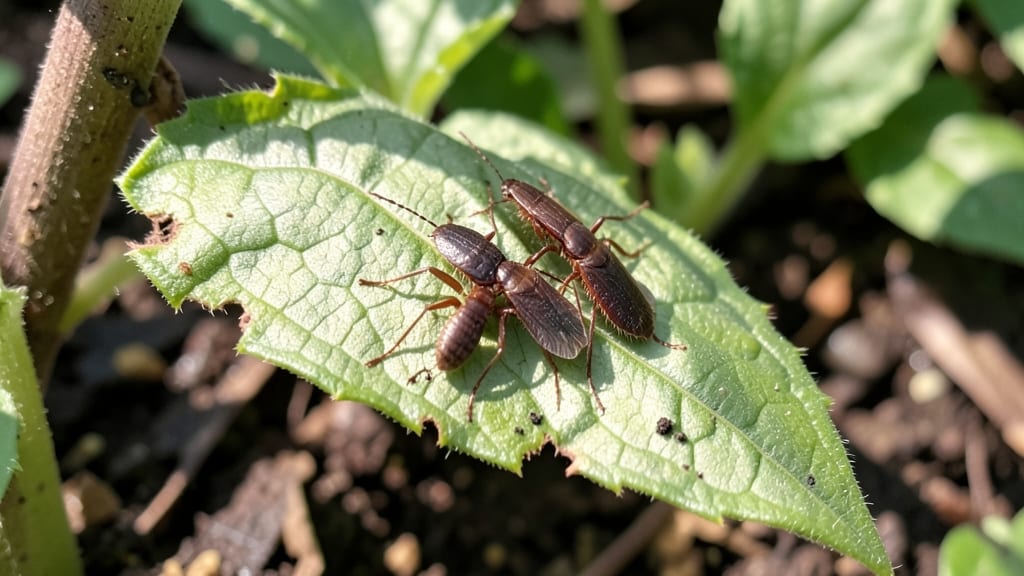
Coffee grounds and citrus peels are the secret weapons against roaches in your garden. 🌿 I’ve used this combo for years to keep those pesky critters out of my compost and away from my veggies—no harsh chemicals, just natural repellents that actually work.
The problem starts when roaches find damp, decaying matter—think compost piles or mulch. They chew through plants, contaminate soil, and even spread bacteria. But the good news?
Roaches hate the strong smells of citrus and coffee. A few sprinkles of grounds around garden edges and a citrus peel near entry points sends them packing.
You’ll notice fewer scurrying shadows within days, and your plants stay crisp and healthy. The traps are simple: mix coffee grounds with citrus peels in small containers, place them near trouble spots, and refresh weekly. It’s a foolproof way to keep your garden thriving without harming bees or earthworms.
Works for raised beds, greenhouse floors, or even patio pots. The best part? You’re already using these ingredients—no extra shopping required. Let’s keep your garden roach-free the natural way.
Why it happens
Discovering unwanted visitors—especially cockroaches—in your garden isn’t just unnerving; it’s a sign your outdoor space is unintentionally offering them a five-star buffet. These resilient pests don’t just wander in for fun—they’re drawn by specific conditions that turn your yard into their ideal habitat.
Understanding why they’re there is the first step to reclaiming your garden naturally. Let’s break down the key factors that turn your green space into a roach magnet.
🌱 Overripe or Decaying Plant Matter
Roaches thrive in environments rich in organic decay, and gardens are a goldmine for them. When fruit falls from trees, vegetables rot on the vine, or leaves pile up in damp corners, you’re essentially laying out a welcome mat.
These pests rely on moisture and decomposing matter as both food and shelter. For example:
- Fruit trees: Dropped apples, peaches, or citrus create sticky, fermenting sugars that attract roaches (and the fruit flies they love).
- Vegetable gardens: Overwatered or wilting crops, like tomatoes or cucumbers, provide both hydration and a protein-rich feast.
- Leaf litter: A thick layer of fallen leaves traps humidity, mimicking the tropical conditions roaches prefer.
Actionable fix: Regularly clear fallen fruit, harvest ripe produce promptly, and mulch thinly to reduce moisture buildup. Pro tip: 💡 Spread a layer of dry straw instead of leaves to deter pests while still protecting soil.
💧 Excess Moisture and Poor Drainage
Roaches need moisture to survive—it keeps their exoskeletons flexible and their eggs viable. Gardens with standing water, soggy soil, or poor drainage become their personal oases. Here’s how it happens:
- Irrigation issues: Overwatering or sprinklers that create puddles near mulch or wood piles create damp microclimates.
- Shady, low-lying areas: These spots stay damp longer, especially after rain, mimicking the humid conditions roaches favor.
- Leaky hoses or containers: Even small leaks near garden beds can create hidden moisture hotspots.
Actionable fix: Improve drainage by amending soil with perlite or sand, and avoid watering at night. Pro tip: 🌡️ Use drip irrigation to deliver water directly to roots, reducing surface moisture.
🍽️ Human Food Waste and Pet Feeding
Your garden isn’t just a plant paradise—it’s also a spillover zone for human and pet activities that roaches can’t resist. Even small amounts of food waste or pet food left outdoors act as irresistible bait. For instance:
- Picnic leftovers: Crumbs, soda spills, or uneaten fruit from outdoor meals create instant roach buffets.
- Pet food bowls: Wet or dry pet food left outside (even for a few hours) attracts roaches and their eggs.
- Compost bins: While composting is great, uncovered or overloaded bins become roach breeding grounds if not managed properly.
Actionable fix: Store pet food indoors, clean up spills immediately, and use a sealed compost bin with a tight-fitting lid. Pro tip: ✨ Add coffee grounds or citrus peels to compost to naturally repel roaches.
🏡 Shelter Near Your Home’s Foundation
Roaches don’t just invade gardens—they use your yard as a launchpad to reach your home. Cracks in foundations, gaps under doors, or piles of debris (like firewood or cardboard) near your house provide them with easy access. They’re also drawn to:
- Wood piles: Stacked firewood or untreated lumber offers hiding spots and moisture retention.
- Outdoor furniture cushions: Fabric and foam provide shelter and a food source if crumbs accumulate.
- Garden tools or pots: Stored upside-down or in damp corners, these can harbor roaches and their eggs.
Actionable fix: Store firewood at least 20 feet from your home and elevate it off the ground. Seal gaps in your home’s exterior with caulk or weather stripping. Pro tip: 🔥 Keep outdoor areas well-lit at night—roaches avoid bright spaces.
How to solve it
Discovering roaches—or any pests—in your garden can be frustrating, but the good news is that many effective solutions are simple, natural, and easy on your plants. Below, we’ll break down the best methods to tackle the problem based on its cause, from quick fixes to long-term prevention. Let’s get started!
🔥 If Roaches Are Drawn to Moisture or Decay
Roaches thrive in damp, decaying organic matter, so addressing these conditions is key to deterring them.
💡 Fix It: Reduce Moisture and Clean Up Debris
- 🍳 Remove standing water: Use saucers under pots, fix leaky hoses, and ensure proper drainage in garden beds.
- 👨🍳 Clear decaying plant matter: Rake up fallen leaves, trim overgrown vegetation, and compost or discard rotting produce.
- 🥘 Improve airflow: Prune dense foliage to allow sunlight and air circulation, making the environment less inviting for pests.
- ⏰ Schedule regular maintenance: Every 2-3 weeks, inspect and tidy up garden edges, especially near mulch piles or compost bins.
🌡️ Pro Tip:
Spread a thin layer of dried citrus peels or coffee grounds around moisture-prone areas. These act as natural repellents and absorb excess dampness.
🍎 If Roaches Are Seeking Food Sources
Garden pests often invade in search of easy snacks, like fallen fruit, pet food, or compost scraps.
🔪 Seal Food Attractants
- 🍳 Store produce properly: Harvest ripe fruits and vegetables promptly and store them in sealed containers or a cool, dry place.
- 👨🍳 Secure compost bins: Use tightly lidded bins and avoid adding meat, dairy, or oily foods to your compost pile.
- 🥘 Keep pet food indoors: If you feed pets outside, remove uneaten food immediately and clean bowls thoroughly.
- ⏰ Inspect regularly: Check under pots, garden tools, and outdoor furniture for hidden food debris.
🎯 Natural Deterrents:
Place citrus peels (especially lemon or orange) near entry points or problem areas. The strong scent confuses roaches and discourages them from lingering.
🌿 If Roaches Are Nesting in Mulch or Soil
Thick mulch or poorly aerated soil can create the perfect hiding spot for roaches and other pests.
✨ Adjust Mulching Practices
- 🍳 Use coarse mulch: Opt for wood chips, straw, or pine straw instead of fine mulch, which retains more moisture.
- 👨🍳 Limit mulch depth: Keep mulch layers no thicker than 2-3 inches to prevent roaches from nesting underneath.
- 🥘 Add diatomaceous earth: Sprinkle food-grade diatomaceous earth around garden borders. This natural powder dehydrates pests without harming plants.
- ⏰ Rotate planting areas: Avoid planting the same crops in the same spot yearly to disrupt pest life cycles.
💡 Pro Tip:
Mix crushed eggshells into the soil around plants. The sharp edges deter roaches and other crawling pests while adding calcium to the soil.
🛡️ Long-Term Prevention Tips
Once you’ve addressed the immediate issue, take these steps to keep your garden pest-free:
- 🌱 Choose pest-resistant plants: Opt for herbs like basil, mint, or lavender, which naturally repel roaches.
- 💧 Water in the morning: Wet foliage dries faster, reducing humidity and making the garden less appealing to pests.
- 🔍 Monitor regularly: Conduct weekly inspections under pots, along fences, and in shaded areas where pests hide.
- 🌿 Encourage natural predators: Attract birds, lizards, or beneficial insects by planting native flowers and avoiding pesticides.
Frequently asked questions
Why do roaches love damp garden spots?
Roaches thrive in moist environments because it keeps their exoskeletons flexible and their eggs viable. Areas like mulch piles, under pots, or near leaky hoses create the perfect humid hideout for them. Reducing moisture by fixing leaks, improving drainage, and watering in the morning disrupts their habitat.
How often should I refresh my coffee grounds and citrus traps?
Refresh your traps every 5-7 days for maximum effectiveness. Over time, the citrus scent fades and coffee grounds lose their moisture-absorbing power. A quick sprinkle of fresh grounds and a few citrus peels keeps roaches at bay consistently.
Will these natural traps harm my plants or soil?
No—coffee grounds and citrus are plant-friendly! Coffee grounds improve soil fertility and acidity, while citrus peels add nutrients. Just avoid burying citrus peels too deeply, as they can attract pests if left in direct contact with roots.
What if roaches keep returning despite my efforts?
If roaches persist, check for hidden food sources or moisture hotspots. Seal compost bins, store pet food indoors, and inspect garden tools or furniture for hidden crumbs. Combine traps with diatomaceous earth around problem areas for extra defense.
Can I use this method in a greenhouse?
Greenhouses are prime roach territory due to humidity and organic matter. Place traps near vents, along baseboards, and under benches. Just avoid blocking airflow—roaches hate dry, well-ventilated spaces!