
Pests
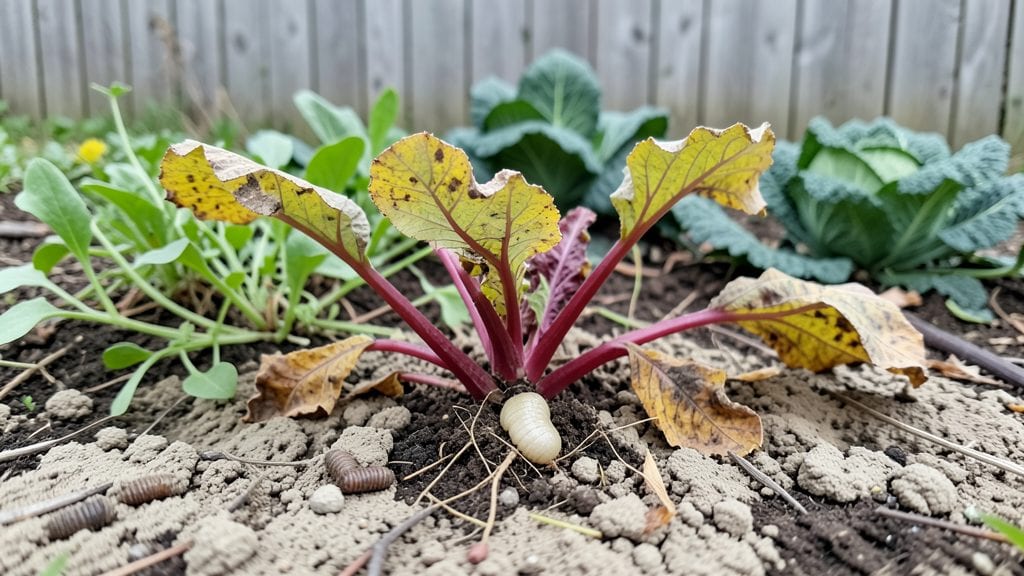
Organic garden pest control isn’t just about chasing bugs away—it’s about working with nature to keep your plants thriving without toxic chemicals. 🌱 I learned the hard way when my tomato plants nearly became a buffet for aphids, but once I swapped sprays for smarter strategies, my garden bounced back stronger than ever.
The key? Layered defense—think companion plants that repel pests, beneficial insects that eat the bad ones, and simple sprays like neem oil or garlic water that actually work.
No more guessing which spray to use or waiting for pests to strike. You’ll spot problems early, stop them before they spread, and keep your soil—and your veggies—chemical-free.
By the end, you’ll have a garden where pests are rare, not rulers. The air smells fresher, the plants grow faster, and you’ll actually enjoy checking on them instead of dreading the next infestation. Here’s how to build that system step by step.
Works for any garden size, from a windowsill herb patch to a full backyard plot. The methods here cut down on pests without harming pollinators or your family’s health—just real, sustainable solutions that keep your garden productive for years.
The Hidden Triggers Behind Garden Invaders
Your organic garden is a thriving ecosystem—but pests don’t just appear out of nowhere. They’re drawn by specific conditions, often tied to human habits or environmental shifts. Understanding why these critters show up is the first step to stopping them naturally. Let’s break down the science behind their unwanted visits.
When plants grow too close together, they compete for nutrients, water, and sunlight. This stress weakens their natural defenses, making them more vulnerable to pests like aphids, spider mites, and whiteflies. Why? Healthy plants produce stronger chemical signals that repel insects, but overcrowding disrupts this balance.
Overcrowding also creates microclimates—tiny pockets of high humidity and poor airflow—that pests adore. For example:
- Leaf miners thrive in dense foliage where they can hide and lay eggs undetected.
- Fungal diseases (like powdery mildew) spread faster in crowded gardens, attracting insects that feed on weakened plants.
Pro tip: 💡 Prune regularly to improve airflow and space plants according to their mature size. Aim for 12–24 inches between plants, depending on the species.
Water is life—but too much (or too little) of it can turn your garden into a pest buffet. Overwatering creates soggy soil, which attracts:
- Slugs and snails (they need moisture to survive).
- Fungal gnats (their larvae thrive in damp soil).
- Root rot, which weakens plants and makes them easier targets for beetles and borers.
On the flip side, underwatering stresses plants, making them produce stress chemicals that some pests (like aphids) find irresistible. Why? Stressed plants often emit higher levels of volatile organic compounds (VOCs), which act like a dinner bell to hungry insects.
Pro tip: 🌡️ Water deeply but infrequently—aim for 1–1.5 inches per week (adjust for climate). Use drip irrigation to avoid wetting foliage, which can encourage fungal pests.
Plants with excess nitrogen (common in over-fertilized gardens) grow lush but weak stems—perfect for pests like:
- Japanese beetles (they love tender, fast-growing leaves).
- Cabbage worms (they target soft, nitrogen-rich brassicas).
- Wireworms (they burrow into soil with high organic matter).
Meanwhile, deficient plants (lacking phosphorus or potassium) become more susceptible to secondary pests, like spider mites, because their natural pest-repelling compounds (like alkaloids) weaken.
Pro tip: ✨ Conduct a soil test every 2–3 years and balance nutrients. Use compost tea or bone meal for phosphorus instead of synthetic fertilizers, which can disrupt the soil microbiome.
Planting the same crop in large blocks (like a whole row of tomatoes) is like rolling out the red carpet for pests. Why? Specialized insects, like tomato hornworms or colorado potato beetles, evolve to target specific plants. When their favorite food source is everywhere, they stay and multiply.
Monocultures also disrupt natural predator-prey relationships. For example:
- Ladybugs (which eat aphids) may avoid a garden with only one type of plant because their own food sources (like pollen) are limited.
- Birds and beneficial insects have fewer hiding spots and less diversity to forage.
Pro tip: 🎯 Practice crop rotation and interplanting. Mix companion plants (like basil with tomatoes or marigolds with veggies) to confuse pests and attract predators.
Some pests, like cutworms or earwigs, are nocturnal and seek out gardens that provide:
- Dark, sheltered spots (under boards, thick mulch, or dense foliage).
- Artificial lights (which attract moths, whose larvae become pests like tomato hornworms).
- Moisture-rich hiding places (like leaf litter or rotting wood).
Why do they come at night? Many pests avoid daytime predators (like birds or lizards) and use darkness to sneak in. Even deer and rabbits are more active under cover of night in gardens with poor visibility.
Pro tip: 🔥 Use yellow or red bug lights (instead of white lights) to deter moths. Keep mulch 2–3 inches thick max and remove debris to eliminate hiding spots.
Natural Fixes for Common Garden Invaders
Pests in your organic garden can feel like an unwelcome party crashing your harvest—except these guests don’t bring gifts, they bring chaos! 🌱🐛 The good news? With the right organic solutions, you can kick them out without harming your plants (or the planet).
Below, we’ve mapped out practical, step-by-step fixes for the most common culprits, plus prevention tips to keep them from returning. No harsh chemicals here—just smart, earth-friendly strategies!
Cause: These soft-bodied insects cluster on new growth, leaves, and stems, draining nutrients and leaving behind sticky honeydew (which attracts mold). Fix It: 🔥 Blast Them Off – Use a strong stream of water from your hose to dislodge aphids. Do this in the early morning so they don’t return by evening. 🍳 Soapy Spray – Mix 1 tbsp mild castile soap or neem oil with 1 quart of water. Spray directly on aphids (avoid beneficial insects like ladybugs). 👨🍳 Introduce Predators – Ladybugs, lacewings, and parasitic wasps love aphids. Buy them online or attract them with dill, fennel, or marigolds. 🥘 Prevention: Plant garlic, chives, or mint nearby—aphids dislike their strong scent. Rotate crops to avoid overcrowding, which aphids adore.
Cause: These green caterpillars devour cabbage, broccoli, and kale, leaving skeletonized leaves behind. They’re the larvae of white butterflies. Fix It: 🔪 Handpick & Drown – Wear gloves and pluck them off into a bucket of soapy water. Check undersides of leaves daily. 🌡️ Bacillus Thuringiensis (Bt) – This organic bacteria (sold as a powder or spray) is toxic only to caterpillars. Mix with water and spray every 3–5 days. 🎯 Row Covers – Use floating fabric row covers to block adult butterflies from laying eggs. Secure edges tightly! ✨ Prevention: Plant thyme, rosemary, or tansy nearby—their scent repels butterflies. Interplant with onions to confuse them.
Cause: These slimy pests munch on leaves, stems, and fruits, leaving silver slime trails and ragged holes in their wake. Fix It: 🥗 Beer Traps – Bury a shallow dish filled with beer near plants. Slugs crawl in and drown (works best at night). 💡 Copper Barriers – Slugs hate copper’s electrical charge. Bend copper tape around pots or garden beds—they’ll avoid it! 🌡️ Diatomaceous Earth (DE) – Sprinkle food-grade DE around plants. It’s harmless to humans but dehydrates slugs in 24–48 hours. 🔥 Iron Phosphates – Use organic slug baits like Sluggo (made from iron phosphate). It’s non-toxic to pets/kids but deadly to slugs. 🎯 Prevention: Water in the morning (slugs hide during the day). Remove hiding spots like boards, rocks, or dense mulch.
Cause: These shiny green-and-gold beetles chew flowers, leaves, and fruits, leaving only veins. They’re voracious and multiply fast. Fix It: 🍳 Neem Oil Spray – Mix 2 tbsp neem oil + 1 tsp dish soap + 1 quart water. Spray early morning/late evening to avoid harming bees. 🌱 Handpick & Drop – Fill a bucket with soapy water and drown them (wear gloves—they bite!). 🎯 Traps (Use with Caution!) – Beetle traps (like those with pheromones) attract more beetles if placed near plants. Use them far from the garden or skip them. ✨ Prevention: Plant rosemary, catnip, or geraniums—beetles avoid them. Mulch with straw to deter grubs from emerging.
Cause: This white, powdery fungus thrives in humid, shaded conditions, coating leaves and blocking sunlight. Fix It: 🌡️ Baking Soda Spray – Mix 1 tsp baking soda + 1 quart water + a few drops of soap. Spray every 7–10 days. 🍳 Milk Spray – 1 part milk to 9 parts water (works like a fungicide!). Spray directly on affected leaves. 🔥 Improve Airflow – Prune plants to allow sunlight and air circulation. Avoid overwatering. 🎯 Prevention: Water at the base (not leaves) and space plants properly. Resistant varieties (like powdery mildew-resistant squash) help!
- Rotate methods to avoid pests building resistance.
- Inspect plants weekly—early action = easier fixes!
- Encourage beneficial insects (ladybugs, praying mantises) with native flowers and avoiding pesticides.
With these organic, hands-on solutions, your garden will stay thriving—and pest-free—without a single chemical in sight! 🌿🚫🐞
Frequently asked questions
What are the most common organic garden pests I should watch for?
The top troublemakers include aphids (tiny sap-suckers), slugs (nighttime leaf munchers), cabbage worms (green caterpillars), Japanese beetles (shiny, destructive adults), and powdery mildew (white fungal growth). Early detection is key—check undersides of leaves and soil surfaces regularly.
Can I use coffee grounds to repel pests naturally?
Yes! Sprinkle used coffee grounds around plants to deter ants, slugs, and snails—the caffeine and acidity disrupt their trails. For aphids, mix grounds with water to create a spray. Just avoid overapplying, as too much can acidify soil over time.
How do I know if my garden pests are harmful or beneficial?
Beneficial insects like ladybugs, lacewings, and parasitic wasps eat pests (e.g., aphids). Harmful ones (like Japanese beetles) destroy plants. Look for damage patterns: skeletonized leaves = caterpillars; chewed holes = beetles. Preserve ladybugs—they’re your free pest control!
Will neem oil harm my plants if used too often?
Neem oil is safe when used correctly, but apply it every 7–10 days max to avoid stressing plants. Always mix with water and a drop of dish soap (1 tsp per quart) for better adhesion. Test on a small leaf first—some sensitive plants (like citrus) may react.
What’s the best organic slug bait that won’t hurt pets?
Use iron phosphate baits (like Sluggo)—they’re pet-safe but deadly to slugs. Avoid traditional metaldehyde baits (toxic to animals). For extra protection, create copper tape barriers around raised beds or use crushed eggshells (slugs hate the texture).