Tools
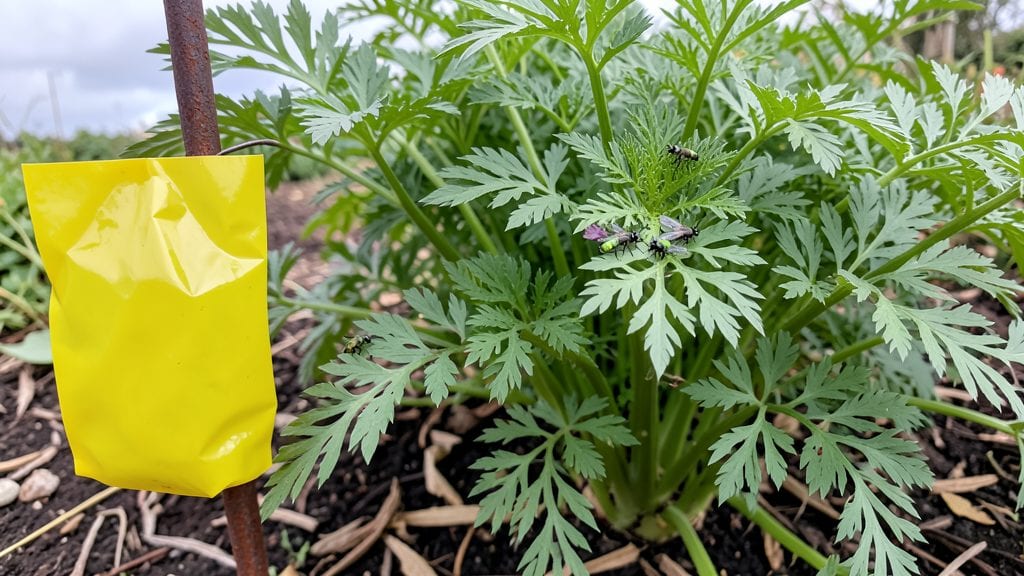
Flies in your garden aren’t just annoying—they can ruin harvests and stress your plants. 🌿 I’ve battled everything from fruit flies to hoverflies, and the worst part? Most chemical sprays kill beneficial insects too. The good news? You don’t need harsh chemicals to keep your garden fly-free.
First, identify the culprit—fruit flies love overripe produce, while hoverflies help pollinate but can become pests in large numbers. The key is layered defense: traps, natural repellents, and good garden hygiene.
I’ve tested apple cider vinegar traps, herb barriers, and even DIY sprays that work without harming bees or butterflies.
By combining these methods, you’ll see fewer flies within days, and your plants will thrive without chemical residue. No more wilting veggies or chewed leaves—just a balanced, healthy garden. Let’s dive into the humane solutions that actually work.
Whether you’re growing tomatoes, herbs, or flowers, these tricks adapt to any garden. The best part? They’re eco-friendly, budget-friendly, and effective—no guesswork, just results. Ready to reclaim your garden?
The Hidden Triggers Behind Garden Flies
Flies in your garden aren’t just a nuisance—they’re often a sign that something deeper is attracting them. Understanding the root causes can help you tackle the problem at its source.
Let’s break down the most common reasons why these pesky insects swarm your outdoor space, so you can take targeted action.
Flies thrive in decaying matter, making your garden a buffet if it’s cluttered with organic waste. Common culprits include:
- Leaf litter: Damp, rotting leaves create the perfect breeding ground for fungus gnats and fruit flies.
- Overgrown mulch: Thick layers of mulch trap moisture, accelerating decomposition and attracting flies.
- Fallen fruit or veggies: Even small pieces of produce left on the soil or under plants draw fruit flies and houseflies.
Why it happens: Flies seek out moist, nutrient-rich environments to lay eggs. Without intervention, decaying organic matter becomes a self-sustaining fly factory.
Flies need water—not just to drink, but to breed. Stagnant water is a magnet for:
- Drainage issues: Poorly sloped garden beds or compacted soil trap water, creating puddles.
- Clogged gutters or downspouts: Leaking or overflowing systems provide steady water sources.
- Birdbaths or pet bowls left out: Even small containers of standing water can hatch thousands of mosquito or fungus gnat larvae.
Why it happens: Female flies lay eggs in water, and larvae develop in as little as 24 hours. The warmer the water, the faster the cycle.
Healthy plants repel flies, but when they’re stressed or rotting, they become a fly magnet. Look for:
- Fungal infections: Moldy leaves or stems attract fungus gnats, which lay eggs in damp soil.
- Bruised or overripe produce: Soft fruits and veggies (like tomatoes or berries) ferment quickly, drawing fruit flies.
- Compost piles too close to plants: Active compost heats up and emits gases that lure flies.
Why it happens: Flies are drawn to the sugars and microbes released by rotting plant matter. The stronger the odor, the more aggressive the infestation.
Flies love moist, nutrient-rich soil—especially if it’s compacted or poorly aerated. Common triggers include:
- Overwatering: Soggy soil lacks oxygen, forcing plants to rot and attracting fungus gnats.
- Fresh manure or high-nitrogen fertilizers: These create a "feast" for flies, encouraging egg-laying.
- Container gardens with poor drainage: Pots without drainage holes trap excess moisture at the roots.
Why it happens: Flies detect microbial activity in soil. The more organic matter breaks down, the more flies are drawn to the area.
Even small amounts of food waste can turn your garden into a fly hotspot. Problem areas include:
- Uneaten produce on plants: Dropped tomatoes, squash, or berries ferment quickly.
- Compost bins without proper aeration: Anaerobic (low-oxygen) compost emits odors that attract flies.
- Pet food left outdoors: Meat scraps or wet kibble decompose rapidly, drawing houseflies and blowflies.
Why it happens: Flies are attracted to the smell of decaying proteins and sugars. The faster the waste breaks down, the quicker flies multiply.
Actionable Tip: 💡 Start by identifying which of these triggers apply to your garden. Even small changes—like clearing debris, fixing drainage, or harvesting overripe fruit—can drastically reduce fly populations.
Natural Ways to Outsmart Garden Flies
Now that you know why those pesky flies are crashing your garden party, it’s time to kick them to the curb—without resorting to harsh chemicals. The good news? There are humane, effective, and eco-friendly solutions tailored to the root cause of your fly problem.
Below, we’ve mapped out practical fixes for common fly triggers, from overripe fruit to decaying organic matter, plus prevention tips to keep your garden fly-free long-term.
If your garden is a buffet for fruit flies, house flies, or fungus gnats, the fix starts with cleanup and strategic traps.
🔥 Step 1: Remove the Buffet
- Pick up fallen fruit, veggies, and overripe produce immediately. Even a single rotten tomato can attract hundreds of flies.
- Compost properly: If you compost on-site, use a sealed bin with a tight lid.
Flies love fresh organic waste—don’t give them easy access! - Check for hidden rot: Inspect nooks under plants, between leaves, and in shaded areas where fruit may decay unnoticed.
🍳 Step 2: DIY Fruit Fly Trap (No Chemicals!)
You’ll need:
- A plastic bottle (or jar)
- Apple cider vinegar or wine
- Dish soap (1 tsp)
- Rubber band or tape
How to set it up:
- Fill the bottle ¼ with vinegar or wine.
- Add 1 tsp dish soap (the soap breaks the surface tension, drowning flies).
- Cut the bottle 1 inch from the top, invert it, and secure it back into the bottle (like a funnel).
- Place traps near problem areas (e.g., compost piles, fruit trees).
Pro Tip: 💡 Swap the bait every 3–4 days for maximum effectiveness. Flies will keep coming back!
👨🍳 Step 3: Prevent Future Infestations
- Harvest fruits/veggies regularly—don’t let them overripe on the vine.
- Use netting over berries, grapes, and tomatoes to block flies before they lay eggs.
- Store produce indoors if possible, especially during peak fly season (summer/fall).
If fungus gnats, drain flies, or soldier flies are swarming your soil, the issue is likely moist, decomposing organic material—their favorite breeding ground.
🔪 Step 1: Dry Out the Soil
- Reduce watering: Overwatered soil stays soggy, inviting flies.
Let the top 1–2 inches dry out between waterings. - Improve drainage: Amend heavy clay soil with perlite, sand, or coconut coir to prevent waterlogging. - Aerate compacted soil: Use a fork or aerator to break up dense areas where moisture traps flies.
🥘 Step 2: Use Natural Predators & Barriers
- Beneficial nematodes (Steinernema feltiae): Microscopic worms that eat fungus gnat larvae.
Apply to soil as a liquid treatment. - Yellow sticky traps: Place them just above soil level to catch adult flies before they lay eggs. - Diatomaceous earth (food-grade): Sprinkle a thin layer on soil—it’s harmless to plants but dehydrates fly larvae.
⏰ Step 3: Adjust Mulching Habits
- Avoid thick, wet mulch near plant bases—flies love it!
Use straw or shredded leaves (drier options) instead of fresh grass clippings. - Keep mulch 2–3 inches away from stems to reduce moisture buildup. - Turn compost piles regularly to speed up decomposition and deter flies.
Puddles, clogged gutters, and even birdbaths can turn your garden into a house fly and mosquito breeding ground.
🌡️ Step 1: Eliminate Standing Water
- Empty and scrub birdbaths, plant saucers, and pet water bowls every 3–4 days.
- Fix leaks in irrigation systems or hoses that create damp spots.
- Add a few fish (like gambusia) to ponds—they eat mosquito larvae!
🎯 Step 2: Use Natural Deterrents
- Citrus or herb sachets: Place dried rosemary, mint, or citrus peels near water sources—flies dislike the scent.
- Bacillus thuringiensis israelensis (Bti): A natural bacteria that targets mosquito larvae. Sprinkle it in standing water (safe for plants/pets).
✨ Step 3: Landscape for Drainage
- Grade your yard so water flows away from plants (not toward them).
- Add gravel or sand to low-lying areas to improve drainage.
- Use raised beds for plants prone to root rot (which attracts flies).
Why fight flies when you can enlist their natural enemies?
- Ladybugs: Devour aphids, mites, and soft-bodied insects—including fly larvae. Buy them online or attract them with dill, fennel, or marigolds. - Spiders & ground beetles: They eat fly eggs and larvae.
Avoid pesticides to keep their populations thriving. - Bats & swallows: Install a bat house or swallow nest box—they’re fly-eating machines!
Final Pro Tip: 🔥 Rotate your methods—flies can develop resistance to single traps. Combine physical removal, natural predators, and scent-based deterrents for the best results.
With these targeted, chemical-free strategies, you’ll send flies packing—without harming your garden’s ecosystem. Happy gardening! 🌿🚫🪰
Frequently asked questions about managing garden flies
Why do I see more flies in my garden after watering?
Flies are drawn to moist environments where they can breed. Overwatering creates soggy soil that attracts fungus gnats and other soil-dwelling flies. The key is to water deeply but less frequently, allowing the top 1-2 inches of soil to dry between waterings. This reduces standing water and discourages fly larvae from developing.
Are hoverflies harmful to my garden?
Not at all! Hoverflies are actually beneficial pollinators and natural predators of aphids. While they may look like flies, their larvae eat soft-bodied pests. Only target actual pests like fruit flies or fungus gnats with traps or deterrents—hoverflies should be welcomed garden helpers!
How long does it take for DIY fly traps to work?
You'll typically see results within 24-48 hours if placed correctly. Apple cider vinegar traps work fastest for fruit flies, while yellow sticky traps catch adult flies immediately. For persistent infestations, combine traps with habitat changes (like removing decaying matter) for quicker, long-term control.
Can I use essential oils to repel garden flies?
Yes! Mix 5-10 drops of peppermint, eucalyptus, or lemongrass oil with water in a spray bottle and apply to plant leaves (test on a small area first). Reapply every 2-3 days as the scent dissipates. Avoid spraying flowers directly if bees visit your garden—opt for stems and soil instead.
What's the best way to prevent flies from coming back?
Focus on three key habits:
- Regular cleanup (remove fallen fruit, weeds, and debris),
- Proper drainage (fix leaks and improve soil aeration), and
- Natural predators (plant marigolds or dill to attract ladybugs). Rotate methods seasonally—flies adapt quickly, so vary your approach between traps, repellents, and habitat changes.