Advice
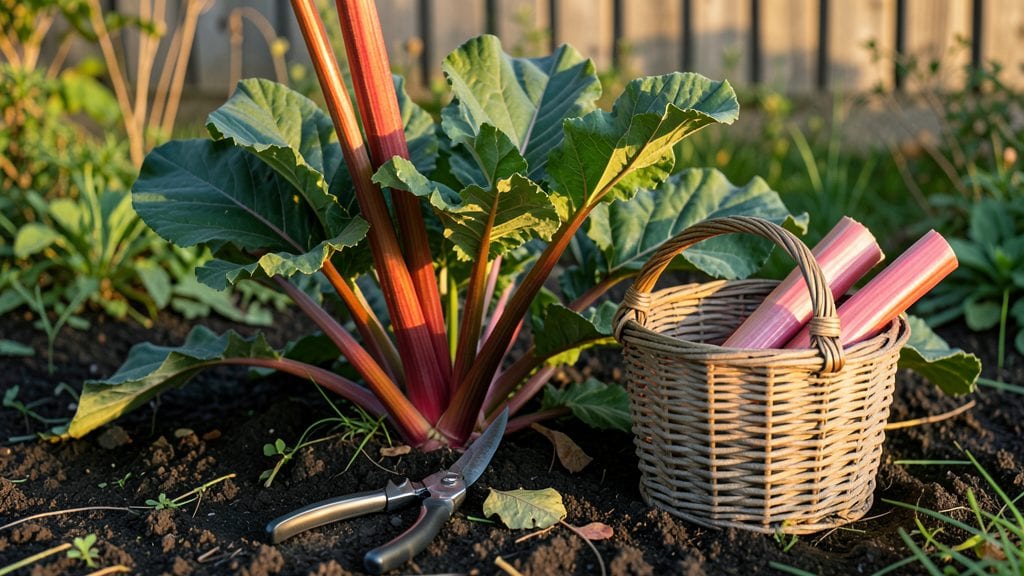
Here are some rhubarb gardening tips that’ll turn your first crown into a thriving patch yielding tart, homegrown stalks from spring through summer—far better than anything store-bought. never could match. The key isn't just patience; it's understanding how this tough perennial thrives when given the right conditions.
Rhubarb loves cool weather and rich soil, making it perfect for early spring planting or fall preparation. You'll need a sunny spot with well-draining soil, consistent moisture, and protection from late frosts—once established, it's shockingly hardy.
The real secret? Pruning correctly to encourage strong growth while avoiding over-harvesting, which can weaken the plant for years. I'll show you exactly how to balance both.
📚 In This Guide
- What you need
- Instructions
- Tips and common mistakes
- Wrapping up and next steps
What you need
- ● Rhubarb Crowns: Purchase 1-3 healthy, disease-free crowns (varities like ‘Victoria’ or ‘Strawberry’ work well).
- ● Well-Draining Soil: Amend clay-heavy soil with compost or aged manure (aim for a pH of 6.0–6.8).
- ● Sunlight: A full-sun to partial-shade spot (6+ hours of sunlight daily).
- ● Watering Supplies: Drip irrigation or a watering can (rhubarb loves consistent moisture!).
- ● Organic Mulch: Straw or wood chips (2–3 inches thick) to retain moisture.
- ● Fertilizer: Balanced organic fertilizer (10-10-10) or compost tea (apply in early spring).
- ● Garden Gloves & Pruners: Sharp, clean pruners for harvesting and trimming.
- ○ Plant Stakes (Optional): Useful if your rhubarb grows tall in windy areas.
- ● 🌡️ Spacing: Plant crowns 3–4 feet apart to allow airflow and growth.
- ● ✨ Patience: Avoid harvesting the first year—let the crown establish roots!
- ● 🔥 Cold Hardiness: Rhubarb thrives in USDA Zones 3–9 and handles frost beautifully.
Instructions for planting and maintaining rhubarb for consistent harvests
Rhubarb thrives with patience and the right conditions—here’s how to establish it for years of abundant harvests.
Select and Prepare the Planting Site
Choose a location with full sun to partial shade—rhubarb tolerates morning sun and afternoon shade in hot climates. The soil must be well-draining but moisture-retentive, rich in organic matter, and slightly acidic to neutral (pH 6.0-7.0). I always test soil pH before planting; rhubarb struggles in alkaline conditions.
Amend heavy clay soil with 2-3 inches of compost mixed into the top 12 inches of soil. Avoid fresh manure—it can burn the crown. Work in a 5-10-10 fertilizer at planting time to give roots a nutrient boost. The site should remain undisturbed for years, as rhubarb forms deep, permanent roots.
Plant Crowns at the Right Depth and Spacing
Plant rhubarb crowns in early spring or fall, when soil temperatures are 50-60°F. Dig a hole twice as wide as the crown’s root ball but only 1-2 inches deep—burying too deep encourages rot. Place the crown so the buds face upward and spread roots evenly.
Space plants 4-6 feet apart in rows 5-6 feet apart to allow for mature growth and airflow. I’ve seen gardeners crowd plants to save space, but rhubarb’s large leaves and thick stalks need room to thrive. Cover the crown with 2-3 inches of soil, then water deeply to settle everything.
Water and Mulch for Optimal Growth
Water newly planted rhubarb deeply once a week for the first two months, ensuring the soil stays evenly moist but not soggy. After establishment, rhubarb is drought-tolerant but produces better stalks with consistent moisture. I check soil moisture by hand—if the top 2 inches feel dry, it’s time to water.
Apply a 3-inch layer of organic mulch (straw or shredded leaves) around the base to retain moisture, suppress weeds, and regulate soil temperature. Refresh mulch annually in early spring. Avoid piling mulch against the crown—keep it 2 inches away to prevent rot.
Manage Fertilizer and Pest Control Year-Round
Fertilize rhubarb in early spring with a balanced 10-10-10 formula, applying ½ pound per 100 square feet. Over-fertilizing leads to leafy growth at the expense of stalks. I also side-dress with compost in late summer to replenish nutrients. Rhubarb is heavy-feeding but doesn’t need frequent feeding.
Watch for Japanese beetles, crown borers, and aphids—these pests target rhubarb’s tender leaves and stalks. Handpick beetles in the morning when they’re sluggish, and spray infested plants with neem oil if needed. Rotate crops if possible, though rhubarb’s long lifespan makes this difficult.
Harvest and Prune for Long-Term Productivity
Wait at least 2 years before harvesting rhubarb—young plants need time to establish strong roots. Cut stalks 1 inch above the ground at a 45-degree angle to encourage regrowth. Harvest in early spring for the sweetest, most tender stalks, and avoid heavy harvesting in the first year.
Remove damaged or diseased leaves throughout the season, and cut back yellowed or dead foliage in late fall. I never cut back healthy leaves completely—rhubarb relies on photosynthesis to build energy for next year’s harvest. After the first frost, trim stalks to 2 inches above the ground and apply a fresh layer of mulch for winter protection.
Tips & tricks for perfect rhubarb gardening
These proven strategies will help you cultivate thriving rhubarb plants that deliver abundant harvests year after year.
Soil Preparation is Non-Negotiable: In Step 1, when amending your soil with 2-3 inches of compost, go the extra mile by incorporating a handful of wood ash if your soil tests below pH 6.0. Rhubarb's ideal pH range of 6.0-7.0 is crucial for nutrient uptake, and the ash provides a gentle pH adjustment. I've seen plants in slightly acidic soil produce stalks with a more vibrant color and better flavor. Test your soil annually—rhubarb's deep roots can alter soil chemistry over time.
Planting Depth Matters More Than You Think: The 1-2 inch planting depth specified in Step 2 is critical because rhubarb's crown contains dormant buds that need proper exposure to light and air. I've learned this the hard way—burying crowns too deep leads to rot, while planting too shallow can expose them to temperature fluctuations. When planting, press the soil gently around the crown to eliminate air pockets, then water thoroughly to settle everything. This ensures consistent contact between roots and soil.
Watering Wisdom for Long-Term Success: During the first two months after planting, when you're watering deeply once a week, pay special attention to the soil's texture. Sandy soils may need watering every 4-5 days, while clay soils can hold moisture longer. After establishment, let the top 2 inches of soil dry between waterings—this mimics natural rainfall patterns and prevents root rot. I've found that rhubarb plants watered on a consistent schedule produce stalks that are thicker and more uniform in size.
Pest Prevention Starts Early: In Step 4, when monitoring for pests, don't wait until you see damage to act. I've found that applying a preventive spray of neem oil mixed with water (1 tablespoon per gallon) every 2 weeks during peak growing season creates a protective barrier against Japanese beetles and aphids. The oil disrupts the pests' feeding patterns without harming beneficial insects. This proactive approach has saved my plants from severe infestations that could have compromised next year's harvest.
Pro Tips for Rhubarb Gardening Tips
- These proven strategies will help you cultivate thriving rhubarb plants that deliver abundant harvests year after year.
- Soil Preparation is Non-Negotiable: In Step 1, when amending your soil with 2-3 inches of compost, go the extra mile by incorporating a handful of wood ash if your soil tests below pH 6.0.
- Planting Depth Matters More Than You Think: The 1-2 inch planting depth specified in Step 2 is critical because rhubarb's crown contains dormant buds that need proper exposure to light and air.
Frequently asked questions
Got questions about growing rhubarb? You’re not alone—this hardy but quirky plant stumps even seasoned gardeners! Below, we tackle the most common rhubarb gardening tips FAQs to help you cultivate a thriving patch with confidence.
When is the best time to plant rhubarb?
Plant rhubarb crowns in early spring (as soon as the soil is workable) or in fall (6–8 weeks before the first frost). Avoid planting in summer—rhubarb hates heat stress! Choose a spot with partial shade (especially in hot climates) and well-drained soil. Crowns should sit 1–2 inches below soil level for stability.
How long does it take for rhubarb to produce?
Be patient! Rhubarb is a perennial that takes 2–3 years to establish before yielding a harvest. In the first year, focus on root growth—don’t harvest at all. By year two, you might get a few small stalks, but full production kicks in by year three. Once mature, a healthy plant can last 10+ years with proper care.
Why is my rhubarb turning red or pink?
Red or pink stalks are usually normal (especially in cold climates or certain varieties like ‘Strawberry’ rhubarb). However, if the discoloration is yellow, brown, or moldy, it could signal rot (from overwatering) or fungal disease. Improve airflow, avoid wetting leaves, and mulch to prevent soil-borne issues. If in doubt, test a stalk—red rhubarb is edible!
Can I eat rhubarb leaves? Are they safe?
No—never eat rhubarb leaves!
They contain oxalic acid, which is toxic in large amounts. Only the stalks are safe and delicious. When harvesting, cut stalks at the base (leave leaves intact) and avoid the leafy crown to protect the plant. Pro tip: Freeze excess stalks for later use!
How do I protect rhubarb from pests?
Rhubarb is pest-resistant, but watch for Japanese beetles, slugs, or aphids. Handpick beetles early in the day, use copper tape for slugs, or spray with neem oil for aphids. For long-term defense, mulch heavily (straw or wood chips) to deter pests and retain moisture. No chemicals needed!
Does rhubarb need winter protection?
Rhubarb is cold-hardy (zones 3–9), but young plants or extreme winters may need help. In zone 4 or colder, mound 10–12 inches of straw or leaves around the crown after the ground freezes. Remove mulch in early spring to prevent rot. Established plants usually bounce back fine—just avoid harvesting in frost.
Wrapping up and next steps
Growing rhubarb is a rewarding journey that yields bold, tangy stalks year after year with minimal fuss! Remember to choose the right variety, plant in well-draining soil, and provide consistent care—like mulching and protecting from pests.
With patience and these rhubarb gardening tips, you’ll soon enjoy a bountiful harvest for pies, compotes, and more. 🌱
Ready to dive in? Start by sketching your garden layout or ordering your favorite rhubarb crowns today—your future harvest is waiting!