Tools
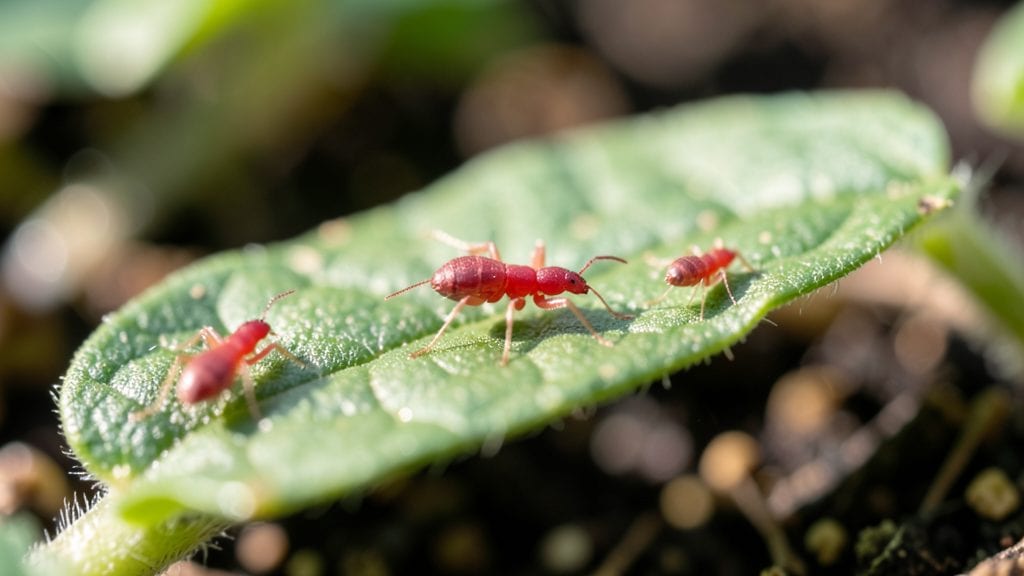
Red garden mites turn your thriving plants into ghostly skeletons before you even notice. 🌿 I’ve watched them strip leaves bare in just a week, and the key to stopping them isn’t brute force—it’s sharp precision with the right tools and timing.
These tiny red pests thrive in dry conditions, and their damage is often mistaken for drought or disease.
The first sign is usually fine webbing on the undersides of leaves, followed by stippled yellowing.
I’ve used everything from neem oil to insecticidal soap, but the most reliable method combines direct spraying with a strong stream of water to dislodge them, followed by a weekly preventive mist of horticultural oil. The secret? Consistency—these mites multiply fast, so you can’t afford to skip treatments.
By the end of the first week, you’ll see new growth pushing through, and the webbing will vanish. The plants I’ve saved this way—tomatoes, peppers, and roses—now bounce back faster than ever. The trick is catching them early and staying vigilant, especially in hot, dry weather when they spread fastest.
Works for container gardens, raised beds, and in-ground plants alike. Here’s how to spot them before they take over—and how to keep them from coming back.
Root Causes Behind Tiny Pests
When those tiny red invaders start turning your garden into a battleground, it’s rarely just bad luck. These microscopic arachnids thrive under specific conditions, and understanding their triggers is the first step to reclaiming your plants.
Below, we break down the science—and the real-world factors—that make your garden their perfect hideout.
Red garden mites, like many pests, are thermophilic—they love warmth. When daytime temperatures hover between 70°F and 85°F (21°C–30°C) but drop sharply at night, these mites go into overdrive. Here’s why:
- Rapid reproduction: Warm days accelerate their life cycle, allowing females to lay dozens of eggs per week in ideal conditions.
- Dormancy breaks: Cool nights can trick mites into emerging from egg stages earlier than usual, leading to explosive infestations in spring or fall.
- Plant stress = free meal: Temperature swings weaken plants, making them less resistant to mite saliva (which clogs stomata, causing yellowing leaves).
Actionable fix: Use row covers or shade cloth to stabilize temperatures, especially in greenhouses or containers where heat traps occur.
While mites despise soggy conditions, consistent moisture—especially on foliage—creates a perfect storm for their allies: fungal diseases and weakened plants. Here’s the chain reaction:
- Fungal hitchhikers: Overwatered soil breeds botrytis blight or powdery mildew, which mites feed on alongside your plants.
- Stunted natural predators: High humidity slows down predatory mites (like Phytoseiulus persimilis) and ladybug larvae, giving red mites a temporary monopoly.
- Sticky leaves = mite highway: Excess moisture creates a sugar-rich film on leaves (from honeydew), which mites use as a food source and shelter.
Actionable fix:
- Water at the base of plants (not overhead) to avoid leaf dampness.
- Use drip irrigation or soaker hoses to maintain 60–70% humidity—too dry (<30%) stresses plants, too wet (>80%) invites mites.
Healthy plants are naturally resistant to pests—but when they’re malnourished, they become all-you-can-eat buffets for mites. The most common deficiencies that invite infestations:
| Deficiency | Mite Magnet Effect | Symptoms to Watch For |
|---|---|---|
| Nitrogen (N) | Soft, tender new growth is easier to pierce with feeding stylets. | Pale yellow leaves (older first), stunted shoots. |
| Phosphorus (P) | Weak root systems can’t support the plant’s natural pest defenses. | Purple-tinged stems, slow flowering. |
| Potassium (K) | Reduces osmotic pressure in cells, making them more vulnerable to mite saliva. | Brown leaf edges ("scorch"), weak stems. |
Actionable fix: Conduct a soil test and amend with balanced fertilizer (10-10-10) or compost tea to boost plant resilience. Neem oil (a mild repellent) can also deter mites when applied to stressed foliage.
Mites are hitchhikers, and they don’t discriminate between your prized roses and your neighbor’s overgrown bush. Here’s how humans accidentally spread them:
- Dirty tools: Pruners, trowels, and even gloves can carry mites from infested plants to healthy ones. A single swipe can transfer hundreds of eggs.
- Plant swaps: Buying or trading infested cuttings (especially from nurseries or online) introduces mites directly to your garden.
- Windborne spores: Mites can balloon on silk threads (like spider mites) and travel up to 100 feet in gusts.
Actionable fix:
- Disinfect tools with 70% isopropyl alcohol or a 10% bleach solution between uses.
- Quarantine new plants for 2–4 weeks before introducing them to your garden.
- Use fine mesh row covers to block airborne mites during high-wind periods.
💡 Pro Tip: If you’ve ruled out the above, check for secondary infestations—mites often follow aphids or whiteflies, which damage plants first. Target those pests first to break the mite cycle.
Quick Fixes for Tiny Plant Pests
Red garden mites may be small, but their damage can feel huge—especially when your prized plants start looking like they’ve been through a battle. The good news? With the right approach, you can banish these pests fast and keep your garden thriving.
Below, we’ll break down cause-specific solutions, from immediate fixes to long-term prevention, so you can restore your plants to their former glory.
Red spider mites (a common type of red garden mite) love to spin fine webs, especially on the undersides of leaves. Act fast—these webs trap moisture and make infestations worse.
🍳 Spray Down with Soapy Water (Best for Mild Cases)
- Mix a gentle soap solution: Combine 1 tablespoon of mild dish soap (like Castile soap) with 1 quart of water in a spray bottle.
- Test first: Spray a small area of a leaf to ensure it doesn’t cause damage.
- Target the webs: Focus on the undersides of leaves and stems where mites hide.
- Reapply every 3–5 days until the webs disappear.
✨ Pro Tip: Add 1 teaspoon of neem oil to the mix for extra pest-repelling power.
👨🍳 Introduce Beneficial Predators (Eco-Friendly Fix)
If you prefer a chemical-free approach, ladybugs and lacewings are natural mite hunters. Purchase them online or from garden centers and release them in the evening when mites are least active.
Mites suck sap, causing leaves to turn yellow, brown, or curl. Stop the damage with these targeted treatments.
🔪 Prune and Destroy Infested Foliage
- Cut off severely damaged leaves with clean pruning shears.
- Bag and discard the clippings (don’t compost them—the mites will survive).
- Wipe down tools with rubbing alcohol to prevent spreading.
✨ Pro Tip: Focus on new growth first—mites love tender leaves!
🌡️ Boost Humidity (Mites Hate It)
Red garden mites thrive in dry, hot conditions. Increase humidity around your plants with:
- A misting bottle (lightly spray leaves in the morning).
- Pebble trays under pots (fill with water and pebbles).
- Grouping plants together to create a microclimate.
If mites have taken over, you’ll need a stronger approach—but still garden-friendly.
💡 Use Horticultural Oil (Knocks Out Eggs & Adults)
- Choose a refined oil (like horticultural or neem oil).
- Mix 1–2 tablespoons per gallon of water and spray evenly on all plant surfaces.
- Apply in the evening (oil can burn leaves in direct sunlight).
- Repeat every 5–7 days for 2–3 weeks.
✨ Pro Tip: Shake the bottle well before each use—oil settles!
🏷️ Isolate Infected Plants
- Move heavily infested plants away from others to prevent spread.
- Place them in a separate greenhouse or shaded area for treatment.
Once you’ve tackled the infestation, stop them from coming back with these habits:
- Inspect new plants before bringing them home (quarantine for a week).
- Water deeply and regularly—mites love drought-stressed plants.
- Encourage biodiversity (marigolds, basil, and chives repel mites naturally).
- Clean up debris—mites hide in old leaves and mulch.
By following these targeted fixes, you’ll have your garden back in shape in no time—without harsh chemicals. 🚀 Happy gardening!
Frequently asked questions
What do red garden mites actually look like up close?
Red garden mites are tiny red or orange arachnids (about 0.5mm long) that resemble moving specks when viewed with a magnifying glass. They cluster on leaf undersides, often surrounded by fine webbing—especially noticeable in dry conditions. Their bright color helps distinguish them from other pests like aphids.
Can red garden mites survive winter in my garden?
Yes, these mites can overwinter in plant debris, mulch, or egg sacs attached to stems. Cold temperatures slow them down, but they may re-emerge in spring when conditions warm up. Rake up fallen leaves and remove plant waste in late fall to break their life cycle before winter.
Are red garden mites harmful to humans or pets?
No, they pose no direct threat to humans or pets—they only feed on plant sap. However, some people may experience mild skin irritation from handling heavily infested plants. Always wash hands after gardening, especially if you have sensitive skin or allergies.
Why do my plants get mites even after treatment?
Mites often return due to incomplete coverage or reinfestation from nearby plants. Focus on treating all garden areas, not just visible symptoms, and repeat applications every 5-7 days. Also check for secondary pests (like aphids) that may attract mites back.
What's the best time of day to apply mite treatments?
Apply treatments in the early morning or late evening when temperatures are cooler. This prevents leaf burn from oils and ensures mites are active on leaf surfaces. Avoid spraying during peak sun hours (10am-4pm) when UV rays can damage plant foliage.