
Pests
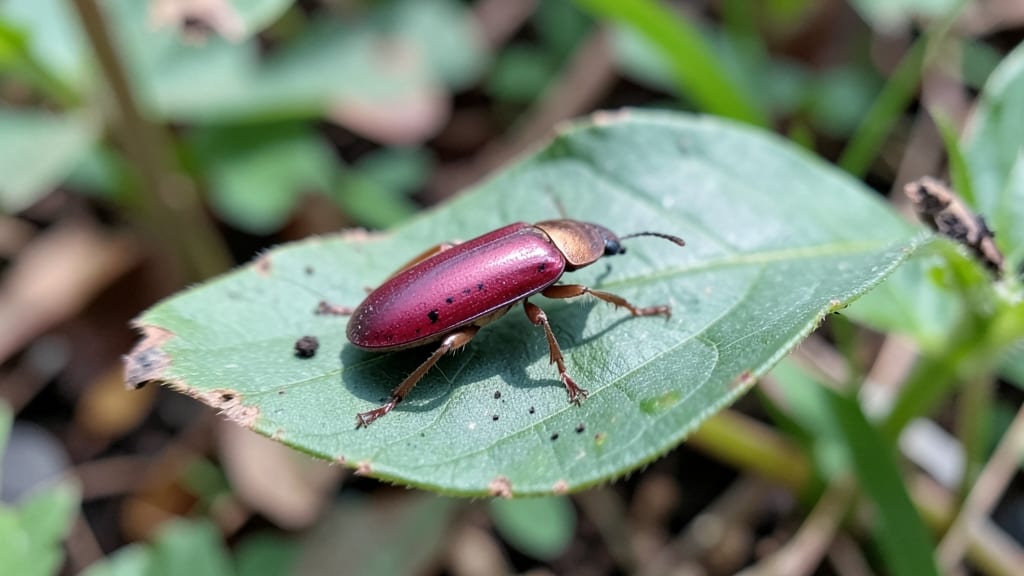
My red beetle garden nearly became a beetle buffet before I learned the right tricks. These striped invaders chew through leaves like they’re in a salad bar, but I’ve since turned my garden into a fortress they avoid.
The secret isn’t harsh chemicals—it’s outsmarting them with barriers, traps, and plants they can’t resist.
Red beetles target everything from roses to potatoes, but they have one weakness: they hate strong scents and physical barriers. I use neem oil sprays, row covers, and companion plants like marigolds and garlic to keep them away.
The best part? These methods work without poisoning your soil or nearby plants.
Within a week of setting up my first barrier, I saw fewer beetles—and by month two, my plants looked healthier than ever. The key is acting fast: check leaves daily for early signs of damage, and set up your defenses before they get comfortable.
This works for any garden, whether you’re growing veggies, flowers, or shrubs. No matter your setup, these strategies will keep your plants thriving while keeping red beetles out for good. Let’s get started!
Natural Predators Invading Your Garden
If your garden is suddenly hosting a parade of red beetles (likely the Asian lady beetle or Multicolored Asian Lady Beetle), don’t panic—these critters aren’t inherently harmful to plants. However, their presence often signals an imbalance in your garden’s ecosystem.
Understanding why these beetles show up helps you address the root cause and keep your garden thriving without harsh chemicals. Here’s a breakdown of the most common triggers:
Red beetles, especially beneficial species like lady beetles, are drawn to gardens where aphids, mites, or other soft-bodied pests thrive. When your plants are densely packed or stressed (due to poor spacing, overwatering, or nutrient deficiencies), they become prime real estate for these pests.
In turn, beetles move in to feed on the pests—a natural form of pest control. However, if the beetle population explodes, they may start nibbling on flowers, leaves, or even fruit.
Actionable Fix:
- 🌱 Space plants properly to improve airflow and reduce pest hotspots.
- 💦 Avoid overwatering—soggy soil invites fungal issues that stress plants.
- 🍃 Rotate crops annually to disrupt pest life cycles.
Pro Tip: 💡 Introduce companion plants like marigolds, basil, or dill—their strong scents repel aphids, reducing beetle incentives to visit.
Red beetles, particularly Asian lady beetles, seek refuge in mulch, leaf litter, or woodpiles during cooler months. If your garden has thick layers of organic debris, these beetles will hibernate there in masses, often emerging in spring when temperatures rise.
Their sudden appearance can feel like an invasion, but it’s usually just a seasonal migration.
Actionable Fix:
- 🍁 Rake up fallen leaves before winter and store them in sealed bins.
- 🪵 Keep mulch thin (2–3 inches max) and avoid piling it against plant stems.
- 🧹 Clear garden tools and storage areas of beetle hiding spots.
Pro Tip: ✨ If beetles overwhelm your home in fall, seal gaps in windows, doors, and vents with fine mesh—no chemicals needed!
Stressed or nutrient-deficient plants are more vulnerable to beetle infestations. When plants lack nitrogen, phosphorus, or potassium, their defenses weaken, making them more appealing to foraging beetles. Additionally, drought stress or compaction in soil can attract beetles searching for moisture or softer plant tissue to feed on.
Actionable Fix:
- 🌱 Test your soil and amend with compost or organic fertilizer (like fish emulsion or bone meal).
- 💧 Water deeply but infrequently to encourage strong root growth.
- 🔄 Aerate compacted soil with a garden fork to improve drainage.
Pro Tip: 🌡️ Mulch with straw or wood chips to retain moisture and regulate soil temperature, reducing plant stress.
While red beetles can be beneficial predators, their numbers can spiral out of control if their natural predators (like birds, spiders, or parasitic wasps) are missing. Pesticide use, habitat destruction, or lack of biodiversity in your garden can create a vacuum where beetles dominate.
Without checks and balances, they may overstay their welcome and become pests themselves.
Actionable Fix:
- 🐦 Encourage wildlife with birdhouses, bat boxes, or native flowering plants.
- 🌼 Plant a diverse garden—aim for at least 3–4 plant species per bed to support different pollinators.
- 🚫 Avoid broad-spectrum pesticides; opt for neem oil or insecticidal soap as last resorts.
Pro Tip: 🎯 Leave some “wild” areas (like a small patch of clover or dandelions) to support beneficial insects year-round.
By addressing these root causes, you’ll not only reduce unwanted beetle visitors but also strengthen your garden’s natural defenses against future pests. The key is balance—healthy plants, diverse ecosystems, and minimal disruption to nature’s cycles.
Practical fixes for beetle woes
Dealing with beetles in your garden can feel like a never-ending battle, but with the right strategies, you can reclaim your green space naturally and effectively. Below, we’ve mapped out practical solutions for common beetle-related issues, from quick fixes to long-term prevention. Whether you’re battling leaf-eating pests or invasive species, these methods will help you restore balance to your garden without harsh chemicals.
If your garden is already swarming with beetles, act quickly to minimize damage before they spread further.
🍳 Trap Crops & Sacrificial Plants
- How it works: Plant beetle-attracting crops (like marigolds, nasturtiums, or radishes) away from your main garden.
Beetles will flock to these instead of your prized plants. - Pro tip: 💡 Harvest or remove these trap crops regularly to keep beetle populations in check. - Best for: Japanese beetles, Colorado potato beetles, and flea beetles.
👨🍳 Handpick & Remove Beetles
- How it works: Early in the morning (when beetles are sluggish), shake plants over a bucket of soapy water or pick them off by hand.
- Pro tip: ✨ Use a pair of gloves and a small container with a lid to avoid squishing them—relocate them far from your garden if possible.
- Best for: Small-scale infestations (e.g., leaf beetles, asparagus beetles).
🥘 Neem Oil or Insecticidal Soap Spray
- How it works: Mix 1 tsp neem oil or insecticidal soap per quart of water, spray directly on beetles (avoid blooming plants to protect pollinators).
Reapply every 3–5 days. - Pro tip: 🌡️ Apply in the early morning or late evening to avoid harming bees. Test on a small plant area first. - Best for: Soft-bodied beetles (e.g., squash bugs, Mexican bean beetles).
Once you’ve controlled the current infestation, focus on preventing beetles from returning with smart garden design and maintenance.
🌱 Companion Planting for Defense
- How it works: Plant beetle-repelling companions near vulnerable crops:
- Basil, mint, or thyme near tomatoes (deters Colorado potato beetles).
- Garlic or onions around carrots (flea beetles hate the scent).
- Tall sunflowers to disrupt beetle flight paths.
- Pro tip: 🎯 Rotate companion plants yearly to confuse beetles and avoid pest adaptation.
🌿 Physical Barriers & Row Covers
- How it works:
- Use floating row covers (lightweight fabric) over young plants to block adult beetles from laying eggs.
- Wrap straw mulch or diatomaceous earth around plant bases to deter crawling beetles.
- Best for: Early-season protection (e.g., cabbage loopers, cucumber beetles).
⏰ Strategic Watering & Garden Hygiene
- How it works:
- Water deeply but infrequently—beetles thrive in moist, shaded soil.
Keep beds well-drained. - Remove debris (fallen leaves, old plant stems) where beetles hide and lay eggs. - Rotate crops annually to starve beetle life cycles (they often target the same plants yearly). - Pro tip: 🔥 Use a hose nozzle to blast beetles off plants during watering—works surprisingly well!
Instead of fighting beetles alone, let nature do the work by attracting their natural enemies.
🐝 Attract Ladybugs, Lacewings, and Parasitic Wasps
- How it works:
- Plant dill, fennel, or yarrow to lure ladybugs (they devour beetle eggs and larvae).
- Install lacewing egg cartons (available online) near infested areas.
- Avoid pesticides—even "organic" ones—to protect these predators.
- Best for: Aphid-feeding beetles (e.g., Mexican bean beetles).
🐍 Introduce Nematodes or Beneficial Fungi
- How it works:
- Heterorhabditis bacteriophora (a nematode) targets beetle grubs in the soil.
Apply during warm, moist conditions. - Beauveria bassiana (a fungus) infects adult beetles—sprinkle on foliage in the evening. - Pro tip: 💡 Follow package instructions precisely for best results. Reapply after rain.
🌿 Create a "Pest-Free Zone" with Biodiversity
- How it works: A diverse garden with flowers, herbs, and native plants disrupts beetle monoculture habits.
They’re less likely to settle if food sources are scattered. - Example layout: - Outer perimeter: Marigolds, garlic, or chives (repellent). - Middle rows: Companion crops (e.g., beans + corn + squash). - Inner beds: Your main vegetables, protected by the layers above.
With these targeted fixes, you’ll not only tackle current beetle problems but also fortify your garden against future invasions. Start with one or two methods that fit your garden’s scale, and gradually build a pest-resistant ecosystem. Happy gardening! 🌱🐞
Frequently asked questions
Are red beetles always harmful to my garden?
Not necessarily! Many red beetles like ladybugs are actually beneficial predators that eat aphids and mites. However, species such as the Colorado potato beetle or Japanese beetle can cause significant damage by chewing leaves. Always identify the beetle first before deciding on control methods.
How do I tell if my garden has a beetle infestation?
Look for chewed leaves, holes in foliage, or yellowing plants—common signs of beetle activity. Check under leaves and in soil for beetle larvae or eggs. If you spot 10+ beetles per plant or see damage worsening daily, it’s time to act.
What’s the fastest way to get rid of beetles naturally?
Try a neem oil spray (mix 1 tsp neem oil per quart of water) or handpick beetles early in the morning when they’re sluggish. For immediate relief, use row covers over vulnerable plants to block adult beetles from laying eggs.
Can companion plants really keep beetles away?
Plant marigolds, basil, or garlic near your vegetables—their strong scents repel many beetle species. These plants also attract beneficial predators like ladybugs, creating a natural defense system. Rotate companion plants yearly for best results.
Will beetles come back next year if I fix the problem now?
Possibly, but long-term prevention reduces recurrence. Practice crop rotation, maintain garden hygiene (remove debris), and encourage biodiversity. If beetles return, combine physical barriers (like row covers) with natural repellents for a stronger defense.