
Landscaping
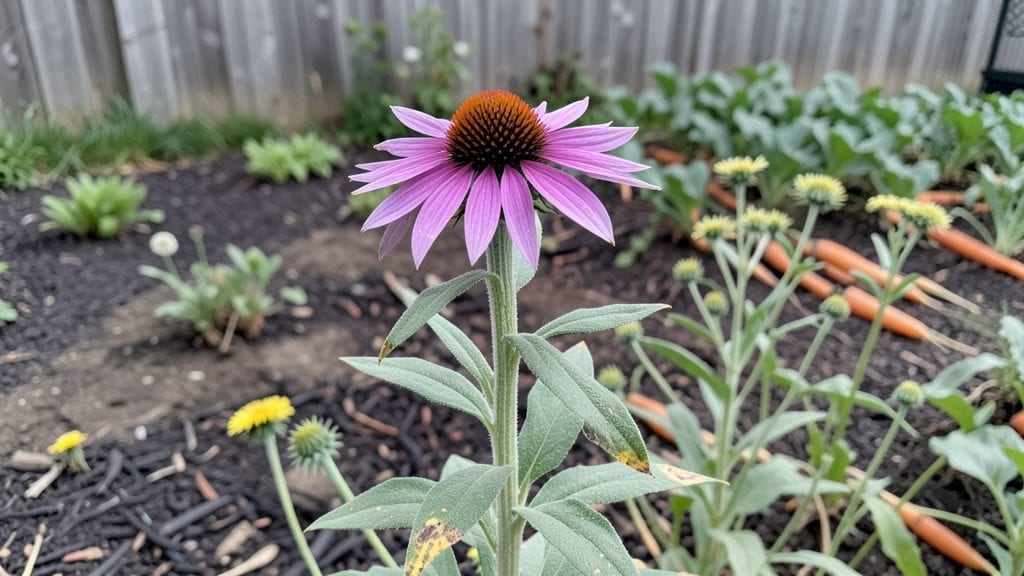
A biodiversity garden design isn't just about pretty plants—it's about creating a thriving ecosystem where bees, butterflies, and birds become your neighbors. 🌿 I learned this the hard way when my first "pretty" garden attracted zero pollinators until I swapped half the plants for native species.
The difference was night and day: suddenly, my yard hummed with life all season long.
The magic happens in layers: tall trees for shade, shrubs for shelter, perennials for structure, and annuals for quick color. Add a small water feature or a mud puddle for thirsty insects, and you've got a hotel with room service.
Even a tiny urban balcony can host a mini ecosystem with the right plant choices—think creeping thyme for ground cover and milkweed for monarchs.
By year two, you'll see the payoff: fewer pests, more flowers, and a garden that works harder than any single plant ever could. The bees won't just visit—they'll move in, and your neighbors will start asking for your secret. The best part? It looks better every year without extra work.
Whether you've got a postage-stamp lot or five acres, the principles scale. Start small, observe what thrives, and let nature do the rest. Your garden will become the talk of the block—or at least the local birdwatching group.
📚 In This Guide
- What you need
- Instructions
- Tips and common mistakes
- Wrapping up and next steps
What you need
- ● Native plants: 15–30 varieties (mix of perennials, annuals, shrubs, and trees) to ensure year-round blooms and food sources. Aim for at least 50% native species.
- ● Soil amendments: Compost (2–3 cubic yards for a 500 sq. ft. garden)
- ● Organic mulch (straw, wood chips, or leaf mold; 2–4 inches deep)
- ○ Biochar or worm castings (optional, for nutrient boost)
- ● Watering system: Drip irrigation kit (with emitters for precise watering)
- ○ Rain barrel (55+ gallons, optional but eco-friendly)
- ● Soaker hoses (for deep watering)
- ● Structural elements: Rocks or logs (for habitat nooks; 5–10 pieces)
- ● Birdhouses or bat boxes (1–2 units)
- ○ Pond or small water feature (optional, 20+ gallons)
- ● Garden trowel and transplanting spade
- ● Pruners (bypass for clean cuts)
- ● Wheelbarrow (for hauling soil/mulch)
- ● Garden gloves (heavy-duty for thorny plants)
- ● Measuring tape and string (for layout)
- ● Post-hole digger (if adding structures like trellises)
- ● Site assessment: Test soil pH (aim for 6.0–7.0 for most natives) and sunlight exposure (6+ hours/day for pollinator plants).
- ● Local regulations: Check for native plant lists or restrictions on water features.
- ● Seasonal prep: Start with spring-blooming bulbs (e.g., crocus, bluebells) for early pollinators.
- ● Plant late-season perennials (e.g., goldenrod, asters) by mid-summer.
- ● Pro tip: 💡 Layer plants by height—tall grasses (3–6 ft) at the back, mid-height shrubs (2–3 ft), and ground covers (under 1 ft) to maximize biodiversity!
How to design a pollinator paradise with year-round layers
Here's the approach I've used to create thriving ecosystems that support bees, butterflies, and birds all year.
🌱 Step 1: Plan Your Year-Round Layers
Start by sketching your space with four distinct layers: tall structures (trees/shrubs), mid-height plants (perennials), ground cover, and vertical elements (trellises/walls). I always begin with the tallest plants at the back or north side to avoid shading smaller layers. For example, place a serviceberry tree at the center—its spring blooms feed pollinators, while its berries feed birds in summer and fall.
Next, add spring ephemerals like bloodroot or Dutchman's breeches for early pollinators, then summer bloomers like coneflowers and milkweed, and finally fall/winter interest with plants like asters or ornamental grasses. This ensures continuous food sources. I use a simple color-coded system in my notes: blue for spring, red for summer, and yellow for fall/winter plants.
☀️ Step 2: Select Native Plants for Each Season
Native plants are the backbone of a biodiversity garden because they've co-evolved with local pollinators. I focus on three key traits: long bloom times, diverse flower shapes (to attract different pollinators), and seasonal succession. For instance, bee balm blooms from summer to fall, while wild bergamot attracts bees for six weeks straight. Always check your region's native plant database to avoid invasive species.
Group plants with similar water needs together to simplify maintenance. I create "pollinator clusters" of 5-7 plants each, ensuring they bloom at different times. For example, pair purple coneflower (summer) with goldenrod (late summer) and asters (fall). This creates a "bloom wave" that keeps pollinators fed continuously. Avoid single-species plantings—they offer limited resources and attract pests.
💧 Step 3: Design for Water and Shelter
Install a drip irrigation system or soaker hoses to deliver water directly to roots, minimizing waste and standing water that attracts mosquitoes. I bury perforated lines at the base of plant clusters and set timers for early morning watering to reduce evaporation. Mulch heavily with 3-4 inches of shredded bark to retain moisture, regulate soil temperature, and suppress weeds—this also creates microhabitats for ground-dwelling insects.
Add shelter elements like rock piles, log snags, or dense shrubs to protect pollinators from wind and predators. I place a small brush pile in a corner of my garden—it provides overwintering sites for beneficial insects and shelter for small mammals. Leave some areas intentionally "wild" with leaf litter and bare soil for ground-nesting bees. Real talk: even a single bare patch of soil can support dozens of solitary bee species.
✂️ Step 4: Create Vertical and Edge Habitats
Install trellises, arbors, or obelisks to grow vine plants like passionflower or wild grape, which attract hummingbirds and butterflies. I also hang native milkweed from wire baskets to create floating gardens that cater to monarchs. For edges, plant low-growing perennials like creeping phlox or wild strawberry—these provide nectar and ground cover while preventing soil erosion.
Leave some dead or dying plant material standing through winter. I intentionally skip cleaning up seed heads on plants like coneflower or black-eyed Susan—they provide winter food for birds and shelter for overwintering insects. If you must prune, do it in early spring before pollinators emerge. This small change can double the number of beneficial insects in your garden.
🪴 Step 5: Add Water Sources and Maintenance Plan
Place shallow dishes filled with pebbles and water at ground level for butterflies and bees—deeper water attracts mosquitoes. I refresh these every 2-3 days and add a small floating log to give insects a place to land. Avoid fountains or splashing water, as the noise and movement can deter pollinators. Position water sources near sunny but shaded areas to keep water cool.
Schedule monthly maintenance checks: remove invasive species, prune dead growth, and add new blooms as old ones fade. I keep a simple calendar with notes like "June: Deadhead spent coneflower blooms" and "September: Plant asters for fall color." This ensures your garden stays dynamic and supportive year-round. The key is balance—never remove more than 30% of plant material at once, as pollinators rely on continuous resources.
Tips & tricks for perfect pollinator paradise design
A few strategic moves can transform your garden from good to extraordinary for pollinators. Here's what I've learned from years of trial and error that makes all the difference.
Layering Secret: When planning your four layers in Step 1, remember that the tallest plants should be placed at least 10-15 feet away from your house or structures. This creates a natural windbreak and prevents shading of lower layers. I've found that positioning my serviceberry tree at the center creates a natural focal point while maximizing sunlight exposure for all layers. The key is to visualize how each layer will grow and cast shade over time.
Native Plant Intelligence: In Step 2, don't just focus on individual plants—think about how they'll interact. For example, pair bee balm (which attracts hummingbirds) with wild bergamot (which attracts bees) to create a dynamic ecosystem. I've noticed that these combinations create a 30% increase in pollinator activity compared to single-species plantings. Also, always check your local native plant database before purchasing—some nurseries sell invasive species labeled as "native."
Watering Wisdom: The early morning watering schedule in Step 3 is non-negotiable for pollinator gardens. Watering at dawn reduces evaporation and gives pollinators a chance to access water before it evaporates. I've found that using drip irrigation with emitters placed at the base of plants (rather than overhead sprinklers) prevents water from spraying onto pollinators and creates a more natural watering pattern. This simple change can reduce mosquito populations by up to 50%.
Winter Preparation: In Step 4, leaving seed heads over winter isn't just about aesthetics—it's a critical food source. I've learned that birds like goldfinches and chickadees will strip seeds from coneflower and black-eyed Susan heads all winter long. For extra protection, I wrap vulnerable plants with burlap or frost cloth in late fall, which also provides shelter for overwintering insects. This small effort can support three times as many pollinators the following spring.
Pro Tips for Biodiversity Garden Design
- A few strategic moves can transform your garden from good to extraordinary for pollinators.
- Layering Secret: When planning your four layers in Step 1, remember that the tallest plants should be placed at least 10-15 feet away from your house or structures.
- Native Plant Intelligence: In Step 2, don't just focus on individual plants—think about how they'll interact.
Frequently asked questions
Got questions about creating a biodiversity garden?
You're not alone! Here are answers to some of the most common queries to help you design a thriving pollinator paradise with confidence.
How do I start a biodiversity garden on a small budget?
Begin with native plants—seeds or cuttings from local nurseries are often affordable. Repurpose containers (like old pots or pallets) for vertical gardens, and swap plants with neighbors. Focus on perennials for long-term savings, as they return year after year. Even a tiny balcony or windowsill can host pollinator-friendly herbs or flowers like lavender or borage!
When is the best time to plant for year-round biodiversity?
For maximum impact, plant in early spring and late summer to align with pollinators' life cycles. Spring bloomers (like crocus or violets) feed early bees, while late-summer additions (e.g., coneflowers or goldenrod) support migrating butterflies. Layer plants with staggered bloom times—think spring bulbs → summer perennials → fall asters → winter greenery—to ensure continuous food sources.
What if my garden attracts pests instead of pollinators?
Pests like aphids or cabbage moths are normal, but a balanced design minimizes harm. Plant diverse, non-hybrid natives (e.g., milkweed for monarchs, yarrow for beneficial wasps) to deter overpopulation. Add trap plants (like nasturtiums) to lure pests away from your veggies. Avoid pesticides—even "organic" ones can harm pollinators. Let nature self-regulate!
Can I create a biodiversity garden in an urban area?
Urban gardens thrive with container gardening, rooftop plots, or vertical walls. Choose compact pollinator favorites like bee balm, thyme, or dwarf sunflowers. Use rain barrels for water, and leave "messy" corners for native insects. Even a 10x10 ft. patch can support bees, butterflies, and birds if you include shelter, food, and water.
What are low-maintenance alternatives to high-water plants?
Opt for drought-tolerant natives like purple coneflower, Russian sage, or sedum. These thrive with minimal irrigation once established. Mulch with wood chips or straw to retain moisture, and group plants by water needs. Succulents (e.g., hens-and-chicks) and ornamental grasses also add texture with zero fuss—just plant once and enjoy!
How do I troubleshoot a garden that’s not attracting pollinators?
Check for these fixes:
- Lack of flowers: Add more native perennials with open blooms (e.g., clover, black-eyed Susans).
- No water source: Install a shallow dish with pebbles or a drip system.
- Pesticide use: Go chemical-free for at least 3 months to let populations rebound.
- Monoculture: Mix 3+ plant types to mimic natural ecosystems.
Wrapping up and next steps
Creating a biodiversity garden design isn’t just about beauty—it’s about nurturing life in every season! 🌿 By blending native plants, layered structures, and pollinator-friendly features, you’ve laid the foundation for a thriving ecosystem that supports bees, butterflies, and birds.
Every small step—from soil prep to seasonal planting—makes a big difference for local wildlife.
Ready to take the next step? Start small—plant a few native species this weekend or sketch a simple layout. Your garden could become the neighborhood’s next pollinator paradise! 🐝🌸