Tools
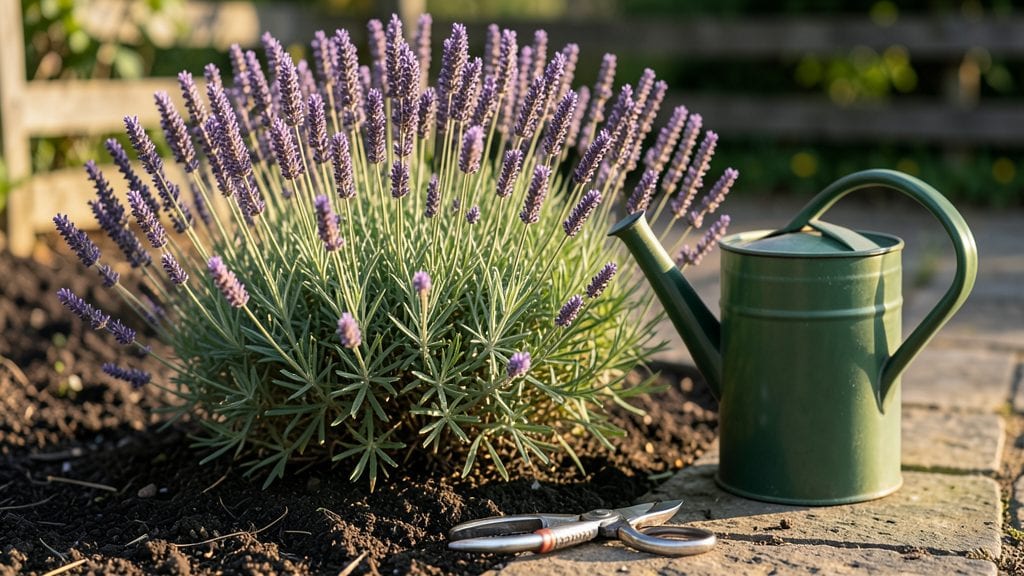
The price of garden startup costs varies widely, from $50 for a small container garden to $1,000+ for a full backyard plot, covering soil, tools, seeds, and plants. Annual upkeep typically runs $100–$500 for maintenance, watering, and seasonal plant replacements.
The price of garden projects depends heavily on your approach and scale.
A container garden keeps costs low by eliminating soil prep and heavy tools, while a raised-bed setup adds $200–$500 upfront for lumber and drainage. 🌱 I’ve seen DIYers save hundreds by reusing materials like pallets for raised beds or buying seeds instead of seedlings—though seedlings do cut growing time.
Location matters too: sunny spots reduce lighting costs, while poor soil may require expensive amendments.
For ongoing expenses, the biggest variables are water and soil health. Drip irrigation systems cost $50–$200 upfront but slash monthly bills, while composting cuts fertilizer costs by up to 70%. Choosing drought-resistant plants like lavender or succulents can also trim water use by half.
My 50-square-foot urban garden runs about $150/year after the initial $200 investment—mostly for mulch and occasional pest control.
💡 In This Article
- Key Factors Influencing Garden Startup Costs
- Budget-Friendly Gardening Strategies for Long-Term Savings
Key factors influencing garden startup costs
Garden size directly impacts your initial investment because it determines how much space you need to prep, fill, and maintain.
A 10-square-foot container garden might require just 5 bags of potting mix ($10 total) and a few small pots ($20), while a 100-square-foot raised bed demands 20 cubic feet of soil ($100+) plus lumber or pre-built frames ($200–$500).
The soil alone can cost $0.50–$2 per square foot depending on whether you use topsoil, compost blends, or hydroponic mixes. 🌱
Sunlight exposure and soil quality create hidden costs most beginners overlook. If your yard gets less than 6 hours of sunlight daily, you’ll need to invest in grow lights ($50–$200) or choose shade-tolerant plants, which often cost 20–30% more than sun-loving varieties.
Poor native soil might require $1–$3 per square foot in amendments like gypsum, lime, or organic matter to improve drainage and fertility. I once spent $300 testing and amending a 50-square-foot plot—only to realize the pH was off by 2 points!
Plant selection dramatically shifts your budget. Starting with seeds costs $0.50–$2 per plant (e.g., 50 tomato seeds for $3), while seedlings run $2–$5 each. However, seeds take 6–8 weeks to mature enough for transplanting, adding time (and potential failure risk) to your growing season.
For fast harvests, I recommend mixing both: seeds for bulk crops (beans, lettuce) and seedlings for high-value plants (tomatoes, peppers). 💡
DIY vs. professional installation creates a $300–$1,000+ difference for similar setups. Building a 4’x8’ raised bed yourself costs $150–$300 in lumber and hardware, while hiring a pro adds $500–$1,200 for labor, design, and premium materials. The trade-off?
Professionals often include soil testing and irrigation planning, saving you time and future headaches. I’ve seen custom garden designs with drip systems and trellises cost 50% more upfront but cut water bills by 40% annually.
Let’s compare three common garden types to see where costs diverge:
- Container Garden: $50–$200 for pots, soil, and starter plants (ideal for balconies or small spaces)
- Raised Beds: $200–$800 for frames, soil, and initial planting (better drainage, no bending)
- In-Ground Plot: $300–$1,500+ for soil prep, tools, and irrigation (highest yield but labor-intensive)
What most people don’t realize is that tool quality affects long-term costs too. A $20 trowel might bend after 50 uses, while a $40 stainless-steel version lasts 5+ years. Investing in durable tools upfront can save $100+ annually in replacements. 💪