Container Gardens
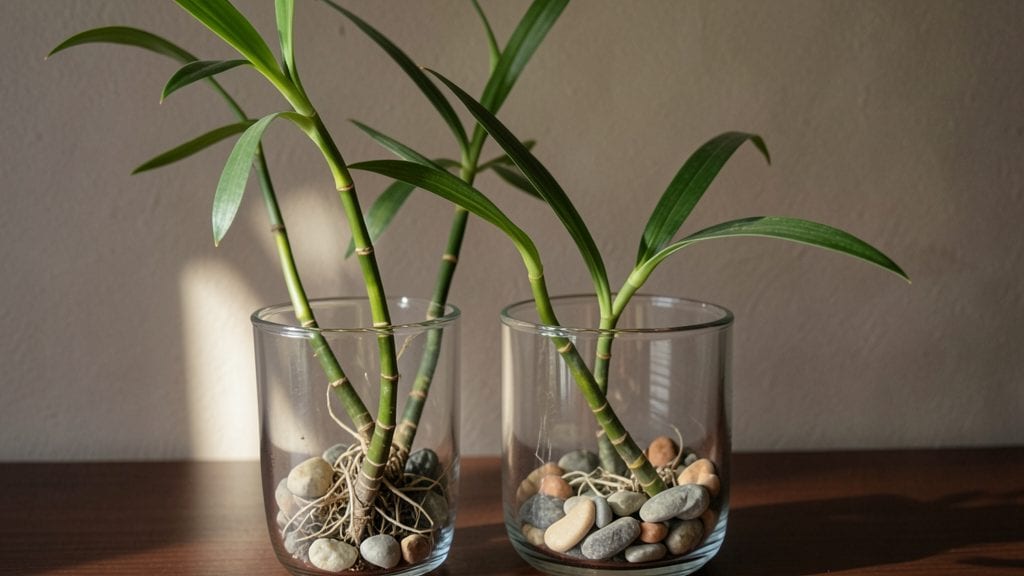
A bamboo container garden turns even the tiniest balcony into a lush, self-supporting vertical oasis—no yard required. 🌿 I’ve grown bamboo in containers for years, and the right setup keeps it contained (yes, really) while adding instant tropical drama to any space.
The key is choosing clumping varieties and deep, sturdy pots that handle rapid growth without spreading chaos.
You’ll need 15-gallon or larger containers with drainage holes, a well-draining soil mix, and a spot with 4+ hours of sunlight. Clumping bamboos like Bambusa multiplex stay put in pots, while running types need root barriers.
My patio setup uses stacked planters to maximize vertical space—no invasive creepers, just elegant stems and feathery fronds.
By summer’s end, you’ll have a 6-foot-tall privacy screen or a striking centerpiece that thrives in limited space. The rustling leaves create a soothing soundtrack, and the air smells fresher near bamboo.
Best of all? No digging, no mess, just instant curb appeal that works for apartments, patios, or even sunny windowsills.
Here’s the game-changer: with the right variety and care, container bamboo stays contained for years—no apocalyptic spread, just lush, low-maintenance greenery. Let’s get those pots planted!
📚 In This Guide
- What you need
- Instructions
- Tips and common mistakes
- Wrapping up and next steps
What you need
- ● Bamboo poles or stakes: 6–10 poles (depending on garden size), 4–6 feet tall
- ● Diameter: 1–2 inches (thicker for stability)
- ● Container or frame: Wooden, plastic, or metal frame (e.g., 2x4 lumber for DIY builds)
- ● Or pre-made vertical planter (ensure drainage holes!)
- ● Garden mesh or netting: Heavy-duty mesh (1/4–1/2 inch grid) for plant support
- ● Width: 4–6 feet (cut to fit your frame)
- ● Drainage system: PVC pipes or perforated drainage tubes (1–2 inches in diameter)
- ● Or landscape fabric + gravel layer (if DIY-ing drainage)
- ● Potting soil: High-quality, well-draining mix (2–3 bags, ~2–3 cubic feet total)
- ○ Optional: Add perlite or coconut coir for aeration
- ● Tools: Measuring tape, scissors or utility knife
- ● Drill (for pre-drilling holes in bamboo/frame)
- ● Staple gun or zip ties (to secure mesh)
- ● Watering can or hose with spray nozzle
- ● Slow-release fertilizer (for nutrient boost)
- ● Mulch (to retain moisture and suppress weeds)
- ● Decorative elements (e.g., solar lights, paint for bamboo)
- ● Plant markers (to track varieties)
- ● Knee pad (for comfort during assembly!)
Step-by-Step instructions for creating a bamboo container garden
Turn your small balcony or patio into a thriving vertical garden with this simple yet elegant approach.
🪴 Step 1: Select and Prepare Bamboo Containers
Choose 4 pre-drilled bamboo planters (each with built-in drainage holes) that match your space's aesthetic. I prefer 12-inch diameter containers for medium-sized plants like ferns, calatheas, or trailing pothos. Rinse each planter thoroughly with warm water to remove any dust or debris from the manufacturing process—this prevents mold from forming later.
Line the bottom of each planter with a 1-inch layer of small pebbles or hydroponic clay balls to improve drainage. This layer ensures excess water flows out instead of pooling at the roots. Place a coffee filter or landscape fabric over the pebbles to keep them in place while allowing water to pass through freely.
🌱 Step 2: Fill with Lightweight Potting Mix
Fill each container ¾ full with the 4 gallons of premium potting mix you’ve prepared. Gently fluff the mix with your fingers to eliminate air pockets—compacted soil stunts root growth. For a vertical garden, I add ½ cup of perlite to each container to improve aeration and prevent waterlogging.
Moisten the mix lightly with warm water until it feels like a damp sponge—not soggy, but not dry either. Press the soil down lightly around the edges to secure it, but avoid compacting it further. This step ensures your plants have stable support while still allowing roots to breathe.
☀️ Step 3: Plant and Arrange for Optimal Growth
Remove your chosen plants from their nursery pots, gently teasing apart roots if they’re crowded. Place each plant in its container, burying the root ball 1 inch deeper than it was in the nursery pot. This encourages stability in the vertical setup. Fill the remaining space with additional potting mix, pressing lightly to eliminate gaps.
Arrange the 4 containers in a staggered pattern on your bamboo trellis or wall-mounted frame. This creates visual interest while ensuring each plant gets at least 4-6 hours of indirect light daily. If your space is shady, opt for shade-tolerant varieties like pothos or peace lilies—they thrive in lower light conditions.
💧 Step 4: Water and Establish a Care Routine
Water each container deeply until water drains freely from the bottom holes. Check the soil daily for the first week—bamboo containers dry out faster than traditional pots. After that, water when the top 1 inch of soil feels dry to the touch. Overwatering is the biggest mistake here; bamboo planters lack the moisture retention of ceramic or plastic.
Fertilize lightly every 4-6 weeks with a balanced liquid fertilizer (diluted to half strength). I use a fish emulsion for organic growth—it’s gentle but effective. Avoid heavy-handed feeding, as bamboo containers drain quickly, and excess nutrients leach out unused.
✂️ Step 5: Prune and Maintain for Long-Term Beauty
Trim leggy or overgrown foliage monthly to encourage bushier growth. Use clean, sharp scissors to snip just above a leaf node—this prevents unsightly stubs and promotes new shoots. For trailing plants like string of pearls, let them cascade naturally but pinch back any stems that grow longer than 12 inches to maintain control.
Rotate the containers quarter-turn weekly so all sides receive even light exposure. You’ll notice plants growing more uniformly within a few weeks. In winter, move containers indoors if temperatures drop below 45°F—cold snaps can shock tropical plants and stunt their growth.
Tips & tricks for perfect bamboo container gardens
Creating a thriving vertical garden in bamboo containers isn't just about aesthetics—it's about understanding the unique needs of these lightweight, fast-draining planters. Here's what I've learned after nurturing several bamboo container gardens myself.
Drainage is Non-Negotiable: The 1-inch layer of pebbles or hydroponic clay balls in Step 1 isn't just recommended—it's essential. I've seen bamboo planters develop root rot when this layer is skipped because water pools at the bottom instead of draining freely. For extra insurance, consider adding a second coffee filter layer if your bamboo has particularly large drainage holes. This two-layer system prevents soil from washing out while maintaining proper drainage.
Soil Texture Matters More Than You Think: In Step 2, when filling containers ¾ full with potting mix, don't underestimate the importance of that ½ cup of perlite per container. The perlite creates microscopic air pockets that prevent compaction—a common issue in vertical gardens where soil settles quickly. I've found that adding an extra ¼ cup of perlite to each container creates even better aeration, especially for moisture-sensitive plants like ferns. The result? Roots that breathe properly and plants that thrive rather than struggle.
Light Exposure Strategy: The 4-6 hours of indirect light mentioned in Step 3 is a perfect balance for most tropical plants, but here's the secret: position your containers so they receive morning sun and afternoon shade. Morning light is gentler and prevents leaf scorch that can occur with intense afternoon rays. For spaces with limited light, consider supplementing with a small grow light for 4-6 hours daily—this mimics natural light cycles perfectly and prevents leggy growth that often plagues indoor plants.
Winter Protection is Critical: That 45°F threshold in Step 5 isn't arbitrary—it's the point where many tropical plants begin experiencing cold stress. I've learned this the hard way with my peace lilies! For containers that must stay outdoors, wrap them in bubble wrap or place them in insulated planter sleeves. Even a simple cardboard box with holes cut for ventilation can provide enough protection for short cold snaps. The key is preventing temperature fluctuations that shock plant systems.
Pro Tips for Bamboo Container Garden
- Creating a thriving vertical garden in bamboo containers isn't just about aesthetics—it's about understanding the unique needs of these lightweight, fast-draining planters.
- Drainage is Non-Negotiable: The 1-inch layer of pebbles or hydroponic clay balls in Step 1 isn't just recommended—it's essential.
- Soil Texture Matters More Than You Think: In Step 2, when filling containers ¾ full with potting mix, don't underestimate the importance of that ½ cup of perlite per container.
Frequently asked questions
What’s the best bamboo type for a container garden?
Opt for clumping bamboo (like Bambusa multiplex or Fargesia species) over running types—they stay contained and won’t spread aggressively. Avoid invasive varieties (e.g., Phyllostachys) unless you’re prepared for root barriers. Pro tip: Dwarf varieties (under 6 ft) work best for small containers!
How long does it take for bamboo to establish in a container?
Most bamboo grows 1–2 feet per year, so expect noticeable growth in 6–12 months. However, roots and foliage may take 2–3 years to fully mature. Troubleshooting: If growth stalls, check drainage—waterlogged soil can suffocate roots.
Do bamboo container gardens need special watering?
Bamboo thrives on consistent moisture but hates soggy soil. Water when the top 2 inches of soil feel dry (usually 2–3 times weekly in hot climates). Alternative hack: Use a self-watering container or mulch with bark to retain humidity.
Can I reuse a bamboo container garden for other plants?
After removing bamboo (dig carefully to avoid root fragments), sterilize the container with a 10% bleach solution or baking soda. Warning: Bamboo roots release toxins that may harm sensitive plants like tomatoes—rinse thoroughly and let it dry before replanting.
How do I winterize a bamboo container garden?
Hardy bamboo (USDA Zones 5–10) may need mulch or frost cloth in cold snaps. For tender varieties, move containers to a sheltered spot or wrap them in bubble wrap. Pro tip: Reduce watering in winter—overwatering can rot dormant roots.
Wrapping up and next steps
A bamboo container garden is your ticket to lush greenery—no sprawling yard required! 🌿 Whether you're a busy urban dweller or a space-conscious gardener, this eco-friendly, self-supporting system makes vertical gardening effortless.
With the right materials and a little creativity, you’ll transform even the smallest balcony or patio into a thriving oasis.
Ready to dive in? Start by sketching your design, gathering supplies, and planting your first batch of herbs, veggies, or flowers. Your green thumb—and your walls—will thank you! Happy gardening! 🌱