Tools
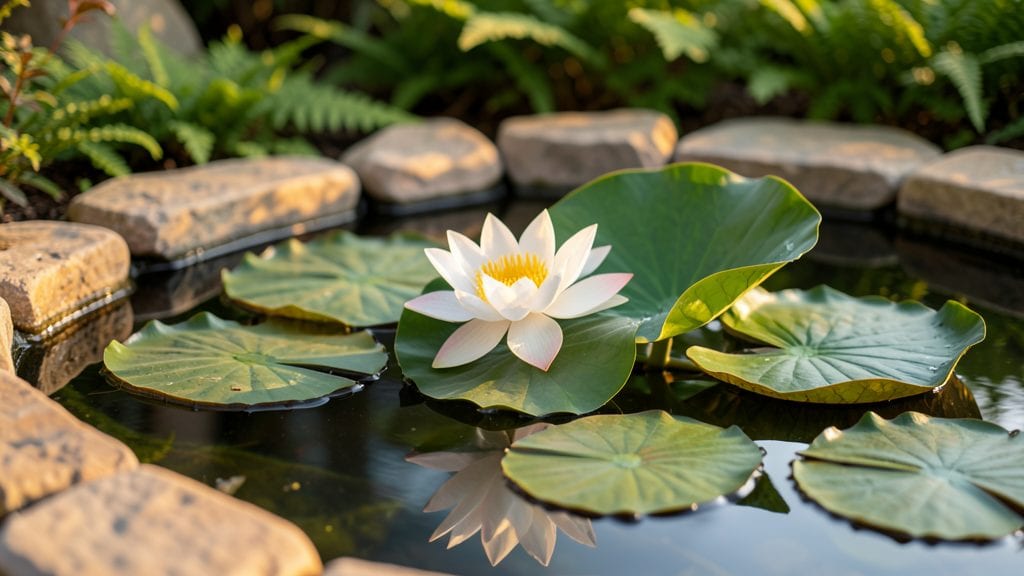
A garden pool transforms your backyard into a serene escape that works year-round—not just a summer luxury. I designed my first one after realizing how much time I wasted on high-maintenance fountains that clogged or froze.
The right pool blends seamlessly with plants, stonework, and even wildlife, creating a space that feels alive without the hassle.
Start with a shallow edge—just 6-12 inches deep—to accommodate water plants like water lilies or rushes, which thrive in minimal care. Use preformed fiberglass or flexible liner for durability, and surround it with flagstone or decomposed granite to keep edges clean while allowing roots to creep close.
The key is balancing aquatic life with landscaping: let the pool become a natural feature, not a separate feature.
By summer, you’ll have a cool retreat shaded by climbing hydrangeas or bamboo, while winter brings frosted reeds and the quiet hum of dragonflies. The water stays clear with one monthly algae treatment, and the surrounding plants filter runoff naturally.
No more empty patio space—just a living, breathing centerpiece that evolves with the seasons.
Works for any yard size, from tiny urban patches to sprawling estates. The trick is starting small—even a 4x6-foot pool makes a statement—and letting the plants and water do the rest. Here’s how to make it happen without the usual headaches.
📚 In This Guide
- What you need
- Instructions
- Tips and common mistakes
- Wrapping up and next steps
What you need
- ● Pool Liner: Choose a high-quality, UV-resistant liner (size depends on pool dimensions; e.g., 12’ x 24’ for a standard 10’ deep pool).
- ● Pool Frame or Structure: Preformed pools: Concrete, fiberglass, or resin (sizes vary; check manufacturer specs).
- ● DIY options: Wooden frames (cedar or redwood, 2x4s or 2x6s, treated for outdoor use) or metal bands (galvanized steel).
- ● Underlayment: Landscape fabric (10’ x 15’ roll) to protect the liner from rocks or roots.
- ● Pool Pump & Filter: A blank">variable-speed pump (1/2 HP to 1 HP, depending on size) + cartridge or sand filter (check GPH rating for your pool volume).
- ● Pool Skimmer: 1–2 skimmers (size based on pool surface area; e.g., 12”–18” for small pools).
- ● Return Jet: 1–2 jets (1”–2” diameter, depending on pump flow).
- ● Pool Plugs & Fittings: 2–4 heavy-duty plugs (for draining) + PVC or copper fittings for connections.
- ● Pool Chemicals: Start with a blank">starter kit (chlorine, algaecide, pH balancer, and clarifier).
- ● Drainage System: Gravel (½”–1” crushed stone, 2–4 bags) + perforated drain pipe (if not using a built-in drain).
- ● Measuring Tape & Level: For precise digging and alignment.
- ● Shovel & Edger: A flat-edged shovel for digging + a hand edger for smooth pool edges.
- ● Wheelbarrow: For hauling dirt, gravel, or supplies.
- ● Post Hole Digger or Auger: For creating holes for skimmers or jets.
- ● Drill & Bits: For assembling frames or securing fittings (cordless drill recommended).
- ● Safety Gear: Work gloves, knee pads, and safety glasses.
- ○ Optional Extras: Pool Thermometer (to monitor water temp).
- ● Solar Cover (reduces evaporation and heating costs).
- ● LED Pool Lights (for ambiance; 12V low-voltage options).
- ● Automatic Cleaner (robotic or suction-side, based on pool type).
- ● Location: Flat, stable ground (avoid slopes or low-lying areas prone to flooding).
- ● Permits: Check local regulations—some areas require permits for in-ground pools.
- ● Utilities: Access to a water source (hose bib or well) + electrical outlet (for pump; may need a GFCI outlet).
- ● Budget: Factor in materials ($1,500–$10,000+ depending on size/materials), tools, and potential labor costs.
- ● Time: DIY pools take 1–3 days (digging, lining, setup), while preformed pools may require a few hours for installation.
Step-by-step guide to creating a low-maintenance garden pool
Here’s how to craft a serene, functional garden pool that thrives year-round with minimal upkeep.
Select the Ideal Location and Size
Choose a spot that receives 4-6 hours of sunlight daily but avoids harsh afternoon rays, which can overheat the water. A partially shaded area—like beneath a mature tree with dappled light—creates a cooler, more inviting microclimate. For a 4-person pool, aim for a 6-foot by 8-foot footprint to balance space and manageability.
Test the ground for natural drainage by digging a 12-inch deep hole and filling it with water. If it drains within 30 minutes, the site is suitable. Poor drainage leads to stagnant water, algae blooms, and maintenance headaches. Level the area with a 4-foot aluminum level to ensure the pool sits evenly—uneven bases cause structural stress and water pooling in corners.
Prepare the Base and Install the Liner
Excavate the area to a depth of 18-24 inches, depending on the pool’s intended water depth. Use a shovel and tamper to create a smooth, compacted base. Avoid stepping directly on the excavated soil to prevent uneven compaction. Lay a 2-inch layer of landscape fabric over the base to suppress weeds and stabilize the soil beneath the liner.
Unroll the pre-cut pool liner (measured for your 6x8-foot dimensions) and center it over the base. Smooth out wrinkles by hand, then secure the edges with galvanized staples every 12 inches along the perimeter. Overlap the liner by 6 inches at seams to prevent leaks. If using a flexible liner, allow it to settle naturally—don’t force it into sharp corners, as this can cause tears over time.
Install Circulation and Filtration Systems
Position the submersible pump at the shallowest end of the pool, where it can draw water efficiently without risking debris clogging. Connect it to the filter system using ½-inch PVC piping, ensuring all joints are sealed with silicone aquarium sealant to prevent leaks. For a 4-person pool, a 1,000-gallon-per-hour pump provides adequate circulation without overworking.
Place the filter near the pump but elevated slightly to facilitate gravity-fed water return. Bury the piping 6 inches below ground level to protect it from temperature fluctuations and physical damage. Test the system by filling the pool with dechlorinated water and running the pump for 24 hours to check for leaks or uneven water levels.
Add Plants and Natural Filtration
Plant water hyacinths, water lettuce, or floating ferns around the pool’s edges to absorb excess nutrients and shade the water, reducing evaporation and algae growth. These plants thrive in 65-85°F water and multiply quickly, so start with 3-4 plants and adjust as needed. For submerged filtration, add 2-3 oxygenating plants like hornwort or anacharis—they release oxygen during photosynthesis, keeping the water fresh.
Install a biofilter media bag filled with lava rock or ceramic rings near the pump intake. This adds an extra layer of filtration by housing beneficial bacteria that break down organic debris. Refresh the media every 6-12 months or when it becomes clogged with sediment. Avoid overcrowding the pool with plants—aim for 30% surface coverage to maintain balance.
Maintain Water Quality and Seasonal Care
Top off the pool with rainwater or dechlorinated tap water weekly to replace lost moisture through evaporation. Test the water biweekly using a liquid test kit and adjust pH to 7.0-7.4 and alkalinity to 80-120 ppm. Over time, organic matter will accumulate, so drain and refill 25% of the water every 3 months to prevent stagnation. In winter, if temperatures drop below 40°F, add a pool cover to insulate the water and reduce maintenance.
Skim debris daily with a fine-mesh net to prevent decaying matter from clouding the water. If algae appears, treat with barley straw—it releases natural compounds that inhibit growth without harming plants or fish. Avoid chemical treatments, as they can disrupt the delicate balance of your ecosystem. With this approach, your garden pool will stay crystal-clear with minimal effort.
Tips & tricks for perfecting your low-maintenance garden pool
Creating a garden pool that stays pristine year-round requires attention to detail at every stage. These insights will help you avoid common pitfalls and ensure your project thrives with minimal upkeep.
Location Intelligence: When selecting your 6x8-foot pool site, prioritize areas with dappled shade during peak afternoon hours (2-5 PM). I've found that even partial shade—like under a mature oak tree—can reduce water temperatures by up to 10°F compared to full sun exposure. This creates a more comfortable environment while significantly cutting evaporation rates. The 4-6 hours of morning sunlight still allows for natural purification through UV rays without the risk of overheating.
Base Preparation Precision: For the 18-24 inch excavation depth, use a string line and stakes to mark the exact perimeter before digging. I learned this the hard way after having to re-excavate a 2-foot section when my initial markings were off by 6 inches. Compact the base in 2-inch layers using a hand tamper rather than stepping directly on it—footprints can create weak spots that lead to liner punctures. The 2-inch landscape fabric layer should extend 6 inches beyond the liner edges to create a clean barrier against soil intrusion.
Liner Installation Strategy: When securing the pre-cut liner with galvanized staples every 12 inches, work from the center outward to prevent stretching. I recommend using a staple gun with a depth adjuster set to 1/4 inch—deeper staples can tear the liner while shallow ones won't hold properly. For flexible liners, allow them to settle for 24 hours before adding water, which gives the material time to relax into its final shape without stress points. The 6-inch seam overlap is critical; I've seen leaks develop when this was reduced to just 3 inches during installation.
Plant Placement Tactics: The 3-4 floating plants you start with will multiply rapidly, so position them strategically around the pool's edges rather than clustering them together. I've found that spacing them 12 inches apart creates optimal coverage while allowing easy access for maintenance. For submerged plants like hornwort, plant them in small pots filled with aquarium substrate—this makes future removal or replacement much simpler. Remember that these plants thrive in 65-85°F water, so if your climate regularly exceeds 90°F, consider adding a floating shade cloth during peak summer months to maintain the ideal temperature range.
Pro Tips for Pool For Garden
- Creating a garden pool that stays pristine year-round requires attention to detail at every stage.
- Location Intelligence: When selecting your 6x8-foot pool site, prioritize areas with dappled shade during peak afternoon hours (2-5 PM).
- Base Preparation Precision: For the 18-24 inch excavation depth, use a string line and stakes to mark the exact perimeter before digging.
Frequently asked questions
about creating a garden pool—because every oasis deserves a smooth journey! Here’s what you’ve been wondering:What’s the best time of year to install a garden pool?
Spring or early fall is ideal! Avoid extreme heat (summer) or freezing temps (winter). Spring lets you enjoy it all season, while fall installation means fewer bugs and cooler work conditions. Just ensure the ground isn’t waterlogged or frozen.
How often should I clean and maintain a garden pool?
Regular maintenance keeps your pool crystal-clear. Skim debris weekly, test water chemistry (pH, chlorine) every 2–4 weeks, and drain/refresh water every 1–2 months. A small net and a pump filter make it easy—think of it as a spa day for your pool!
Are there affordable alternatives to a full garden pool?
For a budget-friendly dip, consider a kiddie pool (inflatable or plastic), a preformed liner pool, or even a DIY pond with a water feature. Solar-powered fountains add ambiance without the upkeep. Start small, then upgrade!
Will a garden pool attract pests like mosquitoes or snakes?
Not if you keep it clean! Stagnant water breeds mosquitoes, but circulating water (via a small pump) and regular cleaning deter them. Snakes? Unlikely unless your garden is already a haven. A few bats or dragonflies (natural predators) might even move in!
Can I use a garden pool in winter?
Most garden pools aren’t designed for freezing temps, but you can try! Drain it completely, store it indoors, or use a winter cover to protect liners. If you’re in a mild climate, a heated pool (like a small spa) works year-round—just add a thermostat!
What’s the quickest fix for cloudy pool water?
Cloudiness usually means unbalanced chemicals or debris. Shock the water with chlorine, test pH (aim for 7.2–7.6), and run the filter for 24 hours. If algae appears, add an algaecide. Pro tip: A UV clarifier can keep water sparkling with minimal effort!
Wrapping up and next steps
A garden pool isn’t just a luxury—it’s a refreshing, low-maintenance retreat that transforms your outdoor space into a serene escape year-round.
Whether you’re drawn to the elegance of a naturalistic pond or the simplicity of a small in-ground pool, the key is choosing the right design and materials for your lifestyle. With minimal upkeep, you’ll enjoy crystal-clear water and lush surroundings without the hassle.
Ready to dive in? Start small—sketch your vision, gather supplies, and take the first step toward creating your own backyard oasis. Your perfect pool awaits! 🌿💦