Pests and Diseases
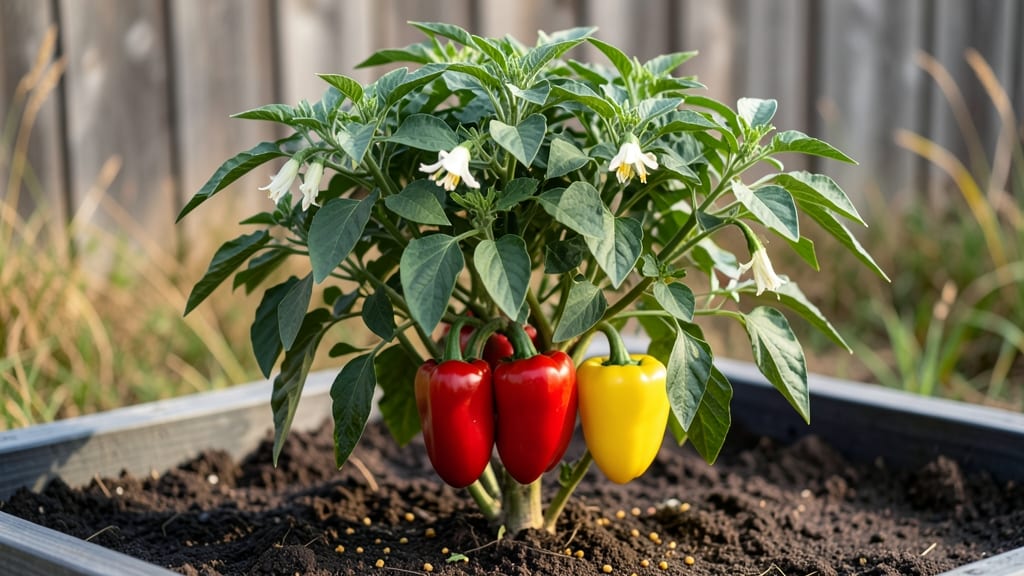
Here are some pepper gardening tips to transform wobbly seedlings into sun-drenched plants bursting with flavor—whether you’re cultivating sweet bells, fiery jalapeños, or smoky habaneros. 🌱 I learned this the hard way after my first batch of peppers stretched toward the sky like they were reaching for more light, only to produce tiny, bitter pods.
Peppers demand 6-8 hours of direct sun daily, but here's the secret: morning sun and afternoon shade work better than blazing midday heat in hot climates. Start with well-draining soil mixed with compost, and use containers with drainage holes if you're growing indoors or in small spaces.
A simple grow light on a timer can save your plants when natural light falls short, especially in spring or fall.
You'll know you're doing it right when plants develop thick stems and glossy leaves by the time they're 6 inches tall. The first flowers appear around 8-10 weeks, and with consistent care, you'll be harvesting peppers in 60-90 days—sweet, crisp, or fiery depending on the variety.
The real payoff comes when you taste homegrown peppers fresh from the vine, packed with flavor store-bought varieties can't match.
This works for both backyard gardens and sunny windowsills, though outdoor plants tend to produce more fruit. The key is watching your plants and adjusting light, water, and support as they grow. Let's get those peppers thriving!
📚 In This Guide
- What you need
- Instructions
- Tips and common mistakes
- Wrapping up and next steps
What you need
- ● Pepper Seeds or Seedlings: Choose disease-resistant varieties (e.g., Jalapeño, Bell, Cayenne). Quantity: 3–6 plants per family (or 1–2 per person if space is tight).
- ● Containers or Garden Bed: Containers: 5–10 gallon pots (with drainage holes) per plant. Garden Bed: Well-draining soil in a sunny spot (6+ hours of light daily).
- ● High-Quality Potting Soil: 1–2 bags of peat-free, organic mix (e.g., Miracle-Gro or FoxFarm). For garden beds: Amend soil with compost (1–2 inches mixed in).
- ○ Fertilizer: Balanced 10-10-10 or 5-5-5 granular fertilizer (follow package rates). Optional: Slow-release pellets or liquid seaweed extract for extra nutrients.
- ● Watering Can or Hose: With a spray nozzle for gentle watering (avoid wetting leaves).
- ● Mulch: Straw or shredded leaves (1–2 inches) to retain moisture and deter weeds.
Step-by-Step instructions for mastering pepper sunlight needs
Here's how I ensure my peppers get the perfect balance of sun—no more leggy stems or bitter fruit.
☀️ Step 1: Position for Full Sun Exposure
Peppers demand 6-8 hours of direct sunlight daily—no compromises. I place mine in the southernmost part of my garden where they catch morning sun and afternoon rays without afternoon shade interference. A south-facing window works for containers, but rotate pots weekly to prevent leaning.
Watch for shadows cast by nearby plants—even a 2-foot-tall tomato can block critical light. If your space gets partial shade, choose compact varieties like 'Shishito' or 'Jalapeño' which tolerate shorter days better than giant bell peppers.
🌱 Step 2: Monitor Leaf Color for Light Balance
Healthy pepper leaves are deep green and glossy—anything lighter signals insufficient light. I check daily after watering: if leaves appear pale yellow or purple-tinged, move the plant immediately. Purple stems indicate nutrient deficiencies worsened by poor light, while yellowing between veins means chlorosis from blocked sunlight.
For container growers, 4-6 hours of direct sun is the absolute minimum—expect smaller yields. If your balcony only gets morning sun, supplement with a grow light for 2-3 hours in the evening. The goal is even green coloration from top to bottom.
💧 Step 3: Adjust Watering for Sun Exposure
Peppers in full sun dry out faster—water when the top 1-2 inches of soil feel dry to the touch. I use a soil moisture meter for accuracy, especially in hot climates where afternoon watering causes fungal issues. Water deeply at the base only, avoiding wet foliage that invites sun scald.
In partial shade, reduce watering slightly—overwatered peppers in low light develop blossom end rot. The key is consistent moisture without soggy soil. Mulch with 2-3 inches of straw to retain moisture and regulate soil temperature, which peppers love between 70-85°F.
✂️ Step 4: Prune Strategically for Sunflowers
Remove suckers (those little shoots in leaf junctions) to direct energy to fruit production, but never prune more than 25% of the plant. I snip suckers when they're less than 2 inches long—waiting too long wastes the plant's resources. This keeps foliage open so sun reaches lower leaves and prevents fungal diseases.
For bush varieties, prune only to remove damaged or yellowing leaves—they're already struggling with light deprivation. The goal is balanced air circulation while maintaining the plant's natural ability to photosynthesize efficiently.
🌿 Step 5: Rotate and Train for Optimal Sun
Every 7-10 days, rotate container peppers a quarter turn so all sides get equal sun exposure. This prevents one-sided growth and ensures even ripening. For garden peppers, stake or cage them early to keep foliage upright—peppers flop dramatically when overgrown.
Watch for peppers shading each other as they mature. If you see uneven ripening (some green while others turn red), the plant is getting inconsistent light. Adjust by thinning leaves on the shaded side or moving the plant slightly. The result? Uniform color, size, and flavor across all peppers.
Tips & tricks for perfect pepper sunlight management
Mastering pepper sunlight needs transforms your garden from mediocre to spectacular—here's how to avoid the common pitfalls that sabotage even experienced growers.
The Heat Factor: The 6-8 hours of direct sunlight requirement in Step 1 isn't just a suggestion—it's non-negotiable for optimal fruit production. I've seen peppers in partial shade produce bitter, undersized peppers despite all other conditions being perfect. For container growers, position pots on rolling plant stands so you can adjust their orientation throughout the day to maximize sun exposure. This is especially critical during summer when the sun's angle changes dramatically.
Leaf Color Diagnosis: When monitoring leaf color in Step 2, pay attention to the undersides of leaves too—they often show early signs of stress. Purple stems aren't just about light deprivation; they can also indicate phosphorus deficiency that sunlight alone won't fix. If you see this, supplement with a balanced fertilizer while moving the plant to better light conditions. The goal is vibrant, glossy leaves from top to bottom, not just the visible surfaces.
Watering Precision: The top 1-2 inches of soil test in Step 3 works, but I've found that checking two different spots in the container or garden bed gives more accurate results—soil moisture varies dramatically even in small spaces. For garden beds, use a soil probe rather than your finger, as surface soil can feel dry while deeper layers remain moist. This prevents both underwatering and the fungal issues that come from overwatering stressed plants.
Pruning Strategy: When removing suckers in Step 4, use clean, sharp pruning shears and make cuts at a 45-degree angle just above a leaf node. This prevents disease entry points and encourages faster healing. I've ruined entire pepper plants by using dull shears that crushed stems—always sanitize your tools with rubbing alcohol between cuts. The key is maintaining that open canopy while keeping the plant's energy focused on fruit production.
Pro Tips for Pepper Gardening Tips
- Mastering pepper sunlight needs transforms your garden from mediocre to spectacular—here's how to avoid the common pi...
- The Heat Factor: The 6-8 hours of direct sunlight requirement in Step 1 isn't just a suggestion—it's non-negotiable f...
- Leaf Color Diagnosis: When monitoring leaf color in Step 2, pay attention to the undersides of leaves too—they often ...
Frequently asked questions
Got questions about pepper gardening?
You’re not alone! Here are answers to the most common ones—from sunlight struggles to pest problems—so your peppers can thrive like a pro.
How much sunlight do peppers really need daily?
Peppers are sun-hungry! Aim for 6–8 hours of direct sunlight per day. If your garden gets less, supplement with a grow light or choose a sunny spot near reflective surfaces (like a white fence). Pro tip: Morning sun is ideal—it warms the soil gently, giving peppers a strong start.
When’s the best time to plant peppers outdoors?
Wait until after the last frost and soil temps hit 60°F+ (15°C+). In most regions, this means late spring to early summer. For cooler climates, start seeds indoors 8–10 weeks before transplanting. Hot tip: Use black plastic mulch to warm the soil faster!
What’s the fastest way to get rid of pepper pests like aphids or spider mites?
Start with a strong spray of water to knock off aphids, then apply neem oil or insecticidal soap (reapply every 5–7 days). For spider mites, increase humidity (they hate it!) and introduce beneficial predators like ladybugs. Preventative tip: Prune plants for airflow to deter pests.
Can I grow peppers in containers? What’s the best setup?
Use a 5-gallon+ pot with drainage holes, and fill it with well-draining potting mix. Choose compact varieties like ‘Shishito’ or ‘Jalapeño.’ Place containers in full sun and fertilize weekly with a balanced liquid fertilizer. Container hack: Rotate pots weekly for even sunlight exposure!
Why are my pepper leaves turning yellow?
Yellow leaves usually mean overwatering, nutrient deficiency, or poor drainage. Check soil moisture—peppers hate soggy roots! Amend soil with compost for nutrients, and ensure pots/containers have drainage. Nitrogen deficiency (common in hot weather) can cause yellowing too—try a balanced fertilizer or coffee grounds.
How do I protect peppers from extreme heat or cold?
Peppers thrive in 70–85°F (21–29°C). For heat: Provide afternoon shade cloth (30–50%) and mulch to retain moisture. For cold: Use row covers or cold frames until temps rise. Heat hack: Plant near tall crops (like corn) to create natural shade.
Wrapping up and next steps
Growing peppers is a rewarding journey, and mastering the sunlight secrets is your secret weapon for a bountiful harvest! 🌞 From selecting the perfect spot to understanding shade management, these tips ensure your plants thrive. Remember, consistency in sunlight exposure—paired with proper care—is key to sweet, flavorful peppers.
Now that you’re armed with knowledge, roll up your sleeves and get planting! Start small with a few plants, experiment with sunlight adjustments, and watch your garden flourish. Happy gardening—your future meals (and bragging rights) are waiting! 🌱✨