
Light Requirements
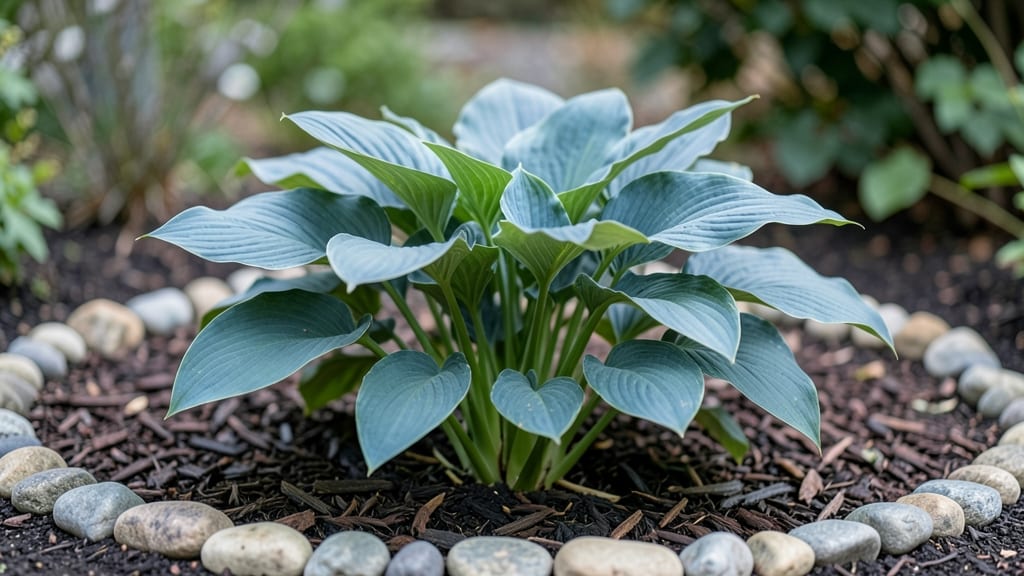
A part shade garden transforms tricky spots into lush, vibrant spaces where plants thrive under dappled sunlight. 🌿 I’ve turned my own shady corner into a year-round showstopper by mixing shade-loving perennials with those that bask in filtered light—no more struggling with sparse blooms or leggy growth.
The secret lies in layering plants with different light needs: hostas and ferns in deeper shade, astilbes and heucheras where sun peeks through, and even some ornamental grasses that tolerate partial shade.
You’ll need a mix of evergreens for structure, seasonal bloomers for color, and foliage plants that keep interest from spring to frost.
By early summer, your garden will burst with texture and color—hostas forming velvety mounds, astilbes fluffing up in pink and purple, and ferns adding delicate fronds. The key is balancing moisture-loving plants with those that prefer drier conditions, so the soil stays happy without turning soggy.
This works for woodland edges, north-facing patios, or even under large trees. The same principles apply whether you’re working with a small container garden or a sprawling backyard corner—just adjust the plant scale to fit your space.
📚 In This Guide
- What you need
- Instructions
- Tips and common mistakes
- Wrapping up and next steps
What you need
- ● Soil: 5–10 bags (2–3 cubic feet each) of well-draining, moisture-retentive potting mix (look for blends labeled for shade or woodland gardens).
- ● Mulch: 2–3 bags of organic mulch (pine bark, shredded leaves, or wood chips) to retain moisture and suppress weeds.
- ● Fertilizer: Slow-release balanced fertilizer (10-10-10 or 20-20-20) or compost (5–10 gallons) for nutrient-rich soil.
- ● Tools: Garden trowel or hand shovel
- ● Garden fork (for amending soil)
- ● Pruners (for trimming established plants)
- ● Watering can or hose with a gentle spray nozzle
- ● Gloves (to protect your hands!)
- ● Shade cloth: Lightweight (30–50% coverage) if your part shade area gets too much direct sun.
- ● Drip irrigation system: For consistent moisture without overwatering.
- ● Plant supports: Stakes or cages for taller plants like ferns or hostas.
- ● Soil test kit: To check pH and nutrient levels before planting.
Step-by-Step guide to designing a thriving part shade garden
Here's how to create a lush, low-maintenance garden where dappled light becomes your secret weapon.
🌿 Step 1: Assess Your Shade Pattern
First, observe your space during different times of day. Part shade gardens thrive with 3-6 hours of filtered light daily, but patterns change—morning sun might be blocked by trees while afternoon light filters through. I mark my garden with stakes at 8 AM, noon, and 4 PM to track how shadows shift. Look for areas where light dances through leaves, creating bright spots that move.
This isn't just about counting hours—it's about understanding the rhythm. If your space gets bright light only in the morning, focus on plants that tolerate afternoon shade. If afternoon sun lingers, prioritize varieties that handle midday heat better. I always sketch a quick map of my garden, noting where the light hits hardest and where it barely touches.
🪴 Step 2: Select the Right Plants for Your Light Conditions
Your plant choices should match the specific shade patterns you identified. For dappled light with some sun, try hostas, astilbes, or ferns—they handle bright spots beautifully. In consistent shade with minimal sun, heucheras, lungwort, or Japanese painted ferns will shine. I group plants by their light needs, placing sun-lovers near the brightest edges and shade specialists deeper in.
Don't overlook ground covers like sweet woodruff or ajuga—they thrive in low light and suppress weeds. I always include at least one variegated plant (like a caladium or hosta) to add visual interest, as their contrasting colors pop in filtered light. Check plant tags for "part shade" labels, but remember: true part shade plants will outperform those labeled "shade-tolerant" if given the right conditions.
☀️ Step 3: Layer Plants for Depth and Light Play
Create visual layers by planting tall plants at the back, medium-height plants in the middle, and spreading ground covers in front. I use astilbes or foamflower as backdrops—they handle shade well and add height. In the middle layer, heucheras or coral bells bring color and texture, while sweet woodruff or creeping Jenny fill the front with lush greenery.
This layering isn't just for looks—it's strategic. Taller plants cast their own shade, creating microclimates for smaller varieties. I always leave 6-12 inches of space between layers to prevent competition. If your garden has patchy light, place taller plants where they'll cast shade on sun-sensitive species below.
💧 Step 4: Adjust Watering for Shade-Grown Plants
Shade gardens stay moist longer, so watering becomes less frequent but deeper. I check soil moisture by pushing my finger 2 inches deep—if it feels dry, it's time to water. In deep shade, I water 2-3 times per week in summer, while dappled areas might need watering every 4-5 days. Mulch heavily with 3-4 inches of shredded bark or wood chips to retain moisture and regulate soil temperature.
Watch for signs of overwatering—yellowing leaves or mold mean you're keeping the soil too wet. If your garden has morning sun, water in the late afternoon to reduce evaporation. In consistent shade, early morning watering works best. I always water at the base of plants, avoiding leaves to prevent fungal diseases.
✂️ Step 5: Maintain and Refresh Seasonally
Part shade gardens need minimal pruning compared to sun gardens, but deadheading spent blooms keeps plants looking tidy. I remove wilted foliage or damaged leaves in early spring to encourage new growth. For perennials like hostas or astilbes, I cut back brown or yellow leaves in late winter, leaving the healthy green growth to emerge naturally.
Every 2-3 years, I refresh the garden by dividing overcrowded perennials (like hostas or ferns) and adding new plants. This prevents competition and keeps the garden vibrant. I also rotate annuals like impatiens or begonias to keep colors fresh. In fall, I add a light layer of compost to nourish the soil for next season.
Tips & tricks for perfect part shade gardens
Creating a thriving part shade garden isn't just about picking plants—it's about understanding how light dances through your space. Here are my go-to strategies that have transformed my own garden from patchy to spectacular.
Light Mapping is Everything: In Step 1, when you're tracking those 3-6 hours of filtered light, take it a step further by using a simple whiteboard to sketch your garden's light zones. I mark the brightest spots with yellow, medium light with green, and deepest shade with blue. This visual helps me place sun-loving hostas near the yellow zones while keeping shade specialists like heucheras in the blue areas. Real talk: I've wasted money on plants that died because I didn't map properly—don't make my mistake!
Plant Grouping by Light Needs: When selecting plants in Step 2, I group them by their light tolerance rather than just aesthetics. For example, I place all my astilbes together in the dappled areas where they'll get those bright spots, while Japanese painted ferns go deeper where light barely touches. This creates natural microclimates where each plant thrives. Between us, mixing light needs in the same spot leads to stressed plants and disappointed gardeners.
Layering with Purpose: In Step 3, when creating those visual layers, think strategically about how taller plants will cast shade. I always position my astilbes (which can grow 2-3 feet tall) to shield more sun-sensitive plants below. The key is leaving that 6-12 inch spacing—the extra room prevents competition and allows air circulation. I've learned this the hard way after watching crowded plants develop fungal issues.
Mulching Like a Pro: The 3-4 inches of mulch in Step 4 isn't just decorative—it's your secret weapon for moisture control. I use shredded hardwood mulch because it breaks down slowly and improves soil structure over time. Pro tip: Refresh your mulch every spring by spreading a new 1-inch layer over the old one. This maintains that crucial moisture barrier without smothering your plants.
Pro Tips for Part Shade Garden
- Creating a thriving part shade garden isn't just about picking plants—it's about understanding how light dances through your space.
- Light Mapping is Everything: In Step 1, when you're tracking those 3-6 hours of filtered light, take it a step further by using a simple whiteboard to sketch your garden's light zones.
- Plant Grouping by Light Needs: When selecting plants in Step 2, I group them by their light tolerance rather than just aesthetics.
Frequently asked questions
What exactly is "part shade," and how do I measure it?
Part shade typically means 3–6 hours of direct sunlight per day, with the rest dappled or filtered light. To measure it, observe your garden on a sunny day: if leaves cast moving shadows (like under a tree canopy), that’s part shade. Use a sunlight tracker app for accuracy.
When is the best time to plant in a part-shade garden?
Plant cool-season crops (like pansies or lettuce) in early spring or fall, when mornings are shady and afternoons cooler. For warm-season plants (e.g., impatiens or ferns), wait until after the last frost—typically late spring—when soil warms up. Avoid planting in peak summer heat unless your area has natural afternoon shade.
Can I grow vegetables in part shade? If so, which ones thrive best?
Leafy greens like spinach, kale, and Swiss chard love part shade, as do broccoli, cauliflower, and Brussels sprouts. Herbs like cilantro, parsley, and mint also perform well. Just avoid heavy fruiting veggies (e.g., tomatoes or peppers)—they need full sun. Pro tip: Use containers for mobility if sunlight shifts!
What if my part-shade area gets too much sun or not enough?
Too much sun? Add lattice screens, sheer fabric, or tall plants (like sunflowers) to filter light. Not enough? Prune overhanging branches in winter (when trees are dormant) or relocate potted plants to sunnier spots temporarily. Warning: Sudden changes can stress plants—adjust gradually over weeks.
Are there low-maintenance plants perfect for part-shade gardens?
Yes! Try hostas, heucheras, astilbes, or ferns for perennials—they’re drought-tolerant once established. For annuals, impatiens, begonias, and coleus bloom beautifully with minimal care. Bonus: Ground covers like ajuga or creeping Jenny suppress weeds and add texture effortlessly.
Wrapping up and next steps
A part shade garden isn’t just a compromise—it’s a chance to cultivate a lush, vibrant space where plants thrive under nature’s dappled light. By selecting the right foliage, layering textures, and embracing seasonal shifts, you’re creating a dynamic, low-maintenance oasis that feels like magic. 🌿✨
Ready to transform your space? Start small—pick one shade-loving plant to test the waters, then expand as your confidence (and garden!) grows. Happy planting!