
Tools
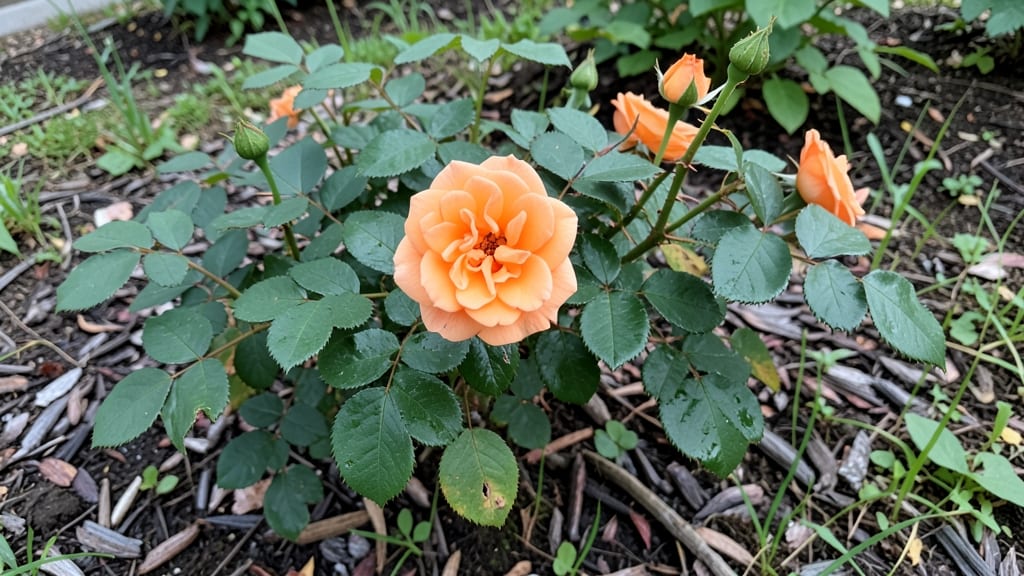
Growing an orange garden rose that bursts with color and fragrance is one of those gardening victories that makes all the early mornings worth it. 🌻 I remember the first time I saw 'Mister Lincoln' in full bloom—its deep copper-orange petals and intoxicating scent completely stole the show at my neighbor's yard.
That moment made me determined to grow my own, and now I've got the fail-safe method to share.
These roses thrive in full sun, so pick a spot where they'll get at least 6-8 hours of light daily—preferably morning sun to protect petals from afternoon heat. Well-draining soil is non-negotiable; amending with compost ensures roots stay happy without soggy surprises.
Varieties like 'Orange Triumph' and 'Mister Lincoln' reward patience with football-sized blooms that last from early summer through frost, plus repeat flushes if you deadhead regularly.
Pruning might sound scary, but it's actually where the magic happens. After the first hard cut in late winter, you'll see new growth that produces stronger stems and more blooms. Just remember: cut just above an outward-facing bud at a 45-degree angle, and avoid leaving stubs.
The payoff? Roses that climb trellises, arch over arbors, or spill dramatically from containers—all while filling your garden with that classic rose perfume.
Watch for black spot and aphids, but don't panic—neem oil and proper spacing keep them in check. With consistent care, your orange roses will become the star of your garden, turning heads and filling the air with that unmistakable old-fashioned romance. Ready to grow yours?
📚 In This Guide
- What you need
- Instructions
- Tips and common mistakes
- Wrapping up and next steps
What you need
- ● Orange Garden Rose Bare Root or Potted Plant: Choose a healthy, disease-resistant variety like 'Orange Triumph' or 'Orange Glow' from a reputable nursery. (1 plant per location)
- ● Well-Draining Soil: A mix of 60% topsoil, 30% compost, and 10% perlite or coarse sand (improves aeration). (2-3 cubic feet per plant)
- ● Rose Fertilizer: A balanced, organic rose fertilizer (e.g., 5-10-5 NPK ratio) or fish emulsion for slow-release nutrients. (1-2 applications per growing season)
- ● Mulch: Wood chips or straw (2-3 inches) to retain moisture and suppress weeds.
- ● Support Structure: A trellis, arbor, or sturdy fence (at least 6-8 feet tall) for climbing varieties.
- ● Garden Trowel or Spade: For planting and soil prep.
- ● Pruning Shears: Bypass pruners (sharp and sterilized) for trimming.
- ● Gloves: Heavy-duty gardening gloves to protect against thorns.
- ● Watering Can or Hose: With a gentle spray nozzle to avoid damaging stems.
- ○ pH Test Kit: Optional but helpful—roses thrive in slightly acidic soil (6.0-6.5 pH).
- ● Sunlight: A full-sun location (6+ hours of direct sunlight daily)—partial shade in hot climates is acceptable.
- ● Water Access: Consistent moisture (1-2 inches per week, more during blooming season).
- ● Patience: Roses take 1-2 years to establish and reach full blooming potential!
- ● Rose Food Spikes: Slow-release granules for convenience.
- ● Epsom Salt: (1 tbsp/month) for magnesium boost (prevents yellowing leaves).
- ● Compost Tea: Organic liquid fertilizer for extra nutrients.
- ● Drip Irrigation System: For automated watering in larger gardens.
Step-by-Step guide to planting and cultivating orange garden roses
Here's how I transform bare-root orange roses into fragrant, sun-drenched climbers that bloom from early summer through frost.
🌱 Step 1: Prepare the Planting Site for Optimal Growth
Choose a location with at least 6 hours of direct sunlight daily—orange roses demand full sun to develop their vibrant color and robust growth. The soil should drain exceptionally well; roses despise soggy roots. Amend heavy clay with 2-3 inches of compost and work in 1 cup of bone meal per planting hole to provide phosphorus for strong root development.
Dig a hole twice as wide and just as deep as the root ball. This gives roots room to spread without crowding. If planting multiple roses, space them 3-4 feet apart to allow airflow and prevent disease. Here's the thing—loosen the roots gently if they're circling before placing them in the hole. You'll see them unfurl naturally once in the soil.
💧 Step 2: Plant and Water for Immediate Root Establishment
Position the rose so the graft union (the swollen area near the base) sits 2-3 inches below soil level. This protects it from temperature fluctuations and potential damage. Backfill the hole with native soil mixed with 1 cup of compost—never use garden soil alone, as it compacts too easily. Press firmly around the base to eliminate air pockets, but don't compact the soil.
Water deeply right after planting to settle the soil and eliminate air gaps. You'll want 1 gallon of water per plant to thoroughly moisten the root zone. Mulch with 2-3 inches of organic mulch around the base, keeping it 6 inches away from the stem to prevent rot. This conserves moisture and regulates soil temperature—critical for young roots.
☀️ Step 3: Prune and Fertilize for Strong First-Year Growth
Prune immediately after planting to remove any damaged or crossing branches. Cut back the remaining stems to 18-24 inches tall, leaving 3-5 strong canes. This encourages bushier growth and prevents legginess. Make cuts at a 45-degree angle just above an outward-facing bud to promote proper branching.
Apply a balanced rose fertilizer (10-10-10) at planting time, following package rates. In 6-8 weeks, feed again with a high-phosphorus fertilizer to stimulate blooming. I've found that roses respond best to regular feeding—every 4-6 weeks during the growing season. Watch for new leaves; that's your cue the plant is actively growing and ready for another feeding.
✂️ Step 4: Train and Maintain for Year-Round Blooms
Install a sturdy trellis or arbor immediately if growing as a climber. Tie the main canes to the support with soft plant ties, adjusting as the rose grows. Prune lightly throughout the season to remove spent blooms and encourage continuous flowering. Cut back to the first healthy leaf below the bloom—you'll see new buds forming within 2-3 weeks.
Water deeply 1-2 times per week during dry spells, aiming for 1-1.5 gallons per plant. You'll know you're watering correctly when the top 2 inches of soil feel moist but not saturated. In fall, reduce watering gradually and prune back one-third of the plant to prepare for dormancy. Here's where it gets fun—orange roses often bloom lightly in spring before the main flush, rewarding your care with early color.
⏰ Step 5: Winterize for Next Year's Performance
Before the first hard frost, apply 4-6 inches of mulch around the base, extending it outward to protect the graft union. Wrap the canes loosely with burlap or rose cones to shield them from freezing winds. I've seen roses survive winters with just mulch, but the extra protection ensures vibrant blooms the following season.
Prune again in late winter, just before new growth begins. Remove all dead wood and cut back remaining canes by one-third. This stimulates fresh growth and prevents overcrowding. You'll notice new shoots emerging within 2-3 weeks—that's your signal to start fertilizing lightly to kickstart the season.
Tips & tricks for perfect orange garden rose cultivation
Transforming bare-root orange roses into thriving climbers requires attention to detail—here's how to elevate your success beyond the basics.
Sunlight Strategy: While the instructions specify at least 6 hours of direct sunlight daily, I've found that full sun (8+ hours) produces the most vibrant orange blooms. Position your rose where it receives morning sun and afternoon shade in hot climates—this prevents leaf scorch while maintaining color intensity. Monitor your plant's progress: if leaves appear pale or stems grow leggy, it's getting insufficient light.
Root Development Secret: In Step 1, when loosening circling roots before planting, take an extra moment to trim any that are severely tangled or damaged. Healthy roots should be white or light tan—never brown or mushy. I've seen roses establish twice as quickly when planted with properly prepped roots. The key is gentle handling; you're not trying to force them apart, just encouraging natural spread.
Fertilizer Timing: The instructions recommend feeding every 4-6 weeks, but I adjust based on leaf color. If new growth appears dark green with purple undersides, it's phosphorus-deficient—time for that high-phosphorus boost. Yellowing leaves between veins indicate nitrogen deficiency; in this case, switch to a balanced fertilizer immediately. The goal is lush foliage without excessive leafy growth at the expense of blooms.
Winter Protection Hack: Before applying that 4-6 inches of mulch in Step 5, add a layer of straw or leaves first. This creates an insulating barrier that prevents the mulch from compacting against the plant. I've also found that wrapping the base with bubble wrap (buried under mulch) adds an extra layer of insulation in particularly harsh winters without risking rot.
Pro Tips for Orange Garden Rose
- Transforming bare-root orange roses into thriving climbers requires attention to detail—here's how to elevate your success beyond the basics.
- Sunlight Strategy: While the instructions specify at least 6 hours of direct sunlight daily, I've found that full sun (8+ hours) produces the most vibrant orange blooms.
- Root Development Secret: In Step 1, when loosening circling roots before planting, take an extra moment to trim any that are severely tangled or damaged.
Frequently asked questions
about growing Orange Garden Roses—your go-to answers for fragrant success!When is the best time to plant Orange Garden Roses?
The ideal time to plant is in early spring or early fall, when soil temperatures are mild (50–70°F). This gives roots time to establish before extreme heat or cold. Avoid planting in summer or late fall—they hate soggy soil or frost!
How often should I water my Orange Garden Rose?
Water deeply 1–2 times per week (more in extreme heat) to encourage strong roots. Aim for 1–1.5 inches of water per week, and always water at the base—not the leaves—to prevent fungal diseases like black spot. Mulch helps retain moisture!
Why aren’t my Orange Garden Roses blooming?
Lack of blooms often stems from over-pruning, poor sunlight (they need 6+ hours/day), or nutrient deficiencies. Feed with a balanced rose fertilizer in spring and mid-summer, and prune in late winter to promote new growth. Deadhead spent blooms to encourage more flowers!
Are Orange Garden Roses prone to pests or diseases?
Yes! Watch for aphids, spider mites, and Japanese beetles—spray with neem oil or insecticidal soap early. For diseases, black spot and powdery mildew are common. Improve airflow, avoid overhead watering, and apply fungicide if needed. Healthy plants resist pests better!
Can I grow Orange Garden Roses in containers?
Choose a large pot (15+ gallons) with drainage holes and use well-draining potting mix. Opt for climbing varieties like ‘Orange Crush’ for vertical growth. Move containers to sunny spots and water consistently—container roses dry out faster!
Wrapping up and next steps
Growing an orange garden rose is a rewarding journey that brings vibrant color, intoxicating fragrance, and timeless beauty to your outdoor space. With the right care—sunlight, well-draining soil, and a little patience—you’ll soon enjoy lush climbers that thrive year-round. 🌸
Ready to transform your garden? Start by selecting healthy plants, then follow the steps above to nurture them into stunning blooms. Share your progress with fellow gardeners or experiment with companion plants to create an even more vibrant landscape!