Tools
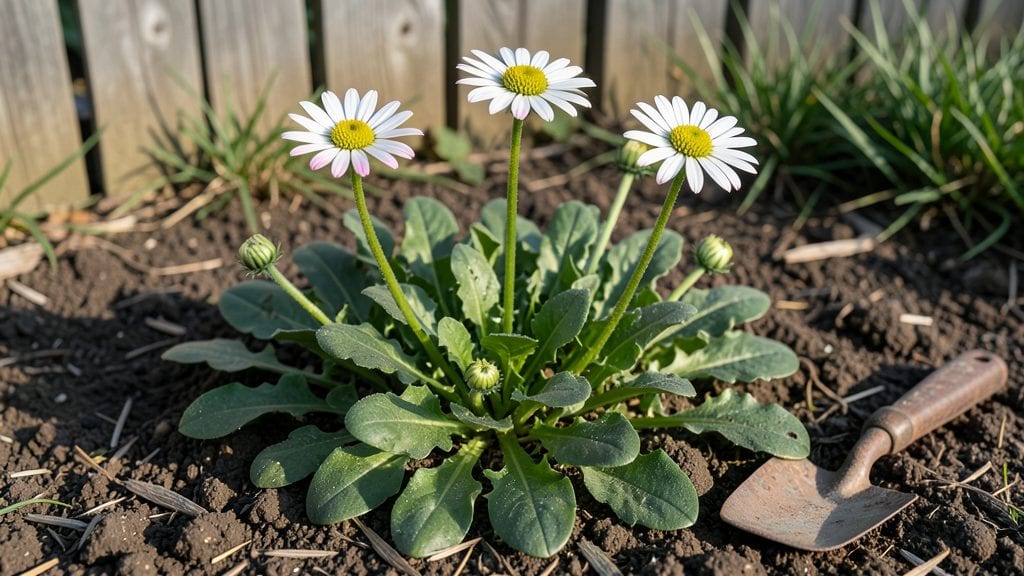
Growing garden daisy flowers is the perfect project for sunny borders that need low-maintenance charm. 🌻 I’ve watched these cheerful blooms spread effortlessly through my yard, turning patches of sun into a sea of white and yellow.
The secret lies in their ability to thrive with minimal fuss—once established, they bounce back from drought and even light foot traffic.
You’ll need full sun exposure (at least 6 hours daily), well-draining soil, and a spot where they can spread naturally. English daisies and oxeye daisies are the easiest varieties for beginners, with English daisies offering delicate petals and oxeye daisies delivering bold, cheerful faces.
Plant in early spring or fall for best results, spacing clumps 12-18 inches apart.
The care routine is simple: water deeply once a week after establishment, and fertilize lightly in spring with compost or a balanced 10-10-10 mix. Deadhead spent blooms to encourage more flowers, but don’t worry if you skip this—daisies will still bloom prolifically.
By midsummer, you’ll have a border that looks like it belongs in a cottage garden, yet requires almost no effort.
These flowers handle heat, drought, and even light frost, making them ideal for borders, meadow-style gardens, or as a natural ground cover. Once you plant them, they’ll return year after year, proving that beauty doesn’t always require constant attention. Ready to let these cheerful blooms take over a sunny spot?
📚 In This Guide
- What you need
- Instructions
- Tips and common mistakes
- Wrapping up and next steps
What you need
- ● Garden daisy plants or seeds: For seeds: 1–2 packets (each packet typically contains 50–100 seeds). Choose varieties like Oxeye Daisy (Leucanthemum vulgare) or Shasta Daisy (Leucanthemum × superbum) for classic blooms.
- ● For plants: 3–6 nursery-grown daisies (6-inch pots). Opt for established plants if you want quicker results!
- ● Well-draining soil: Amend heavy clay soil with compost (1–2 inches mixed into the top 6–12 inches of soil) or use a potting mix for containers.
- ● Sunlight access: A spot with full sun (6+ hours/day). Daisies tolerate partial shade but may produce fewer blooms.
- ● Water: A garden hose with a gentle spray nozzle or drip irrigation system (for consistent moisture).
- ○ Fertilizer (optional but helpful): A balanced, slow-release fertilizer (10-10-10 or 5-10-10) applied once in early spring.
- ● Or compost tea for an organic boost.
- ● Gardening gloves (to protect your hands from thorns or rough soil).
- ● Trowel or hand shovel (for digging holes or transplanting).
- ● Pruning shears (to deadhead spent blooms and encourage more flowers).
- ● Rake (to loosen soil and remove debris before planting).
- ● Measuring tape or ruler (to space plants 12–24 inches apart).
- ○ Mulch (optional but recommended): 2–3 inches of organic mulch (straw, wood chips, or shredded leaves) to retain moisture and suppress weeds.
- ● Patience: Daisies grow quickly but may take 6–8 weeks from seed to bloom. Established plants reward you with flowers in 2–3 weeks!
- ● Low-maintenance mindset: These hardy flowers thrive with minimal intervention—just water during dry spells and deadhead regularly.
- ● Know your zone: Garden daisies grow in USDA Zones 3–9. Check your local climate for best planting times.
Step-by-Step instructions for planting garden daisies
Here's how to grow these cheerful, low-maintenance blooms that keep coming back year after year.
🌱 Step 1: Choose the Perfect Planting Location
Garden daisies thrive in full sun—at least 6-8 hours daily. I always pick the sunniest spot in my border because these flowers reward good light with nonstop blooms. They tolerate a range of soil types but perform best in well-draining soil with a pH between 6.0 and 7.0.
If your soil feels heavy or clay-like, mix in compost or sand to improve drainage. Work the soil to a depth of 12 inches to encourage strong root growth. Avoid low-lying areas where water pools after rain—daisies hate soggy roots.
🪴 Step 2: Plant Bare-Root or Container-Grown Daisies
For bare-root plants, soak the roots in lukewarm water for 1-2 hours before planting to revive them. Dig holes twice as wide as the root ball but only as deep as the container's height. Space plants 12-18 inches apart for single varieties or 24 inches apart for mixed borders.
Place each plant in its hole, then backfill with soil while gently pressing around the roots to remove air pockets. Water thoroughly right after planting—this helps settle the soil and encourages roots to spread quickly. I always add a 1-inch layer of mulch around the base to retain moisture and suppress weeds.
☀️ Step 3: Water and Fertilize for Strong Growth
Water newly planted daisies once weekly for the first month, keeping the soil evenly moist but not soggy. After that, they're incredibly drought-tolerant—water only when the top 2 inches of soil feel dry. Overwatering is the fastest way to kill these hardy plants.
Fertilize lightly in spring with a balanced 10-10-10 formula or a slow-release granular fertilizer. Too much nitrogen makes them grow leaves instead of flowers. I skip fertilizer entirely after mid-summer because daisies bloom best when they're slightly stressed.
✂️ Step 4: Deadhead and Maintain for Continuous Blooms
Pinch off spent blooms regularly to encourage more flowers. I do this every 2-3 days during peak bloom season. Cut back the entire plant by one-third after the first flush of flowers in late spring to promote a second bloom cycle.
In fall, cut back the stems to 2-3 inches above ground level. This prevents the plant from becoming leggy and ensures fresh growth in spring. Daisies are perennial in most climates, so they'll return year after year with minimal effort.
⏰ Step 5: Overwinter and Prepare for Next Season
In colder climates, add a 2-3 inch layer of mulch around the base after the first frost to protect the roots. Daisies are hardy down to USDA Zone 3, so they handle winter well as long as they're not waterlogged.
In early spring, remove the old mulch and check for signs of new growth. If you see fresh green shoots, it's time to fertilize lightly and water occasionally until the soil warms up. These flowers are so resilient that even neglected patches often surprise you with cheerful blooms year after year.
Tips & tricks for perfect garden daisy planting
Here's what I've learned after growing these resilient beauties for years—the little details that make all the difference.
Sunlight Secret: Those crucial 6-8 hours of full sun are non-negotiable, but here's the thing: morning sun with afternoon shade works too, especially in hot climates. I've seen daisies thrive with 5-6 hours of direct sun if the afternoon heat is intense—just watch for smaller blooms. The key is avoiding the hottest midday sun when possible.
Soil Prep Strategy: Before amending your soil with compost or sand as suggested in Step 1, do a quick moisture test: dig down 6 inches and squeeze a handful. If it stays clumped, you need more sand. If it crumbles easily, add compost instead. This targeted approach saves you from over-amending the entire 12-inch depth where roots will grow.
Planting Technique: When you're pressing soil around the roots in Step 2, focus on the sides first, then gently firm the center. This prevents air pockets that can strangle new roots. I like to use my fingers to create small trenches around the root ball—this encourages roots to grow outward immediately. Don't forget to water right after planting, but let the top inch dry between waterings to prevent fungal issues.
Watering Wisdom: The first month's weekly watering is critical, but here's my pro tip: water deeply in the morning so the soil has all day to dry out. I use a soaker hose for this because it delivers water directly to the roots without wetting the foliage, which reduces disease risk. After the first month, let the top 2 inches get completely dry between waterings—this toughens up the plants for their drought-tolerant future.
Pro Tips for Garden Daisy Flower
- Here's what I've learned after growing these resilient beauties for years—the little details that make all the difference.
- Sunlight Secret: Those crucial 6-8 hours of full sun are non-negotiable, but here's the thing: morning sun with afternoon shade works too, especially in hot climates.
- Soil Prep Strategy: Before amending your soil with compost or sand as suggested in Step 1, do a quick moisture test: dig down 6 inches and squeeze a handful.
Frequently asked questions
How do I plant garden daisy seeds for the best results?
Sow seeds directly in well-drained soil after the last frost, about ¼ inch deep. Space them 12–18 inches apart if planting in full sun (6+ hours of light daily). For faster blooms, opt for nursery starts—just transplant carefully to avoid root damage. Pro tip: Press seeds lightly into soil; they need light to germinate!
When is the ideal time to plant garden daisies?
Plant in early spring (after frost) or late summer (6–8 weeks before your first fall frost). Daisies thrive in cool weather and may bolt in scorching heat. If your climate has mild winters, they can even bloom year-round with minimal care. Pro tip: Mulch lightly to retain moisture and regulate soil temp!
Why are my garden daisies wilting or turning yellow?
Wilting often signals underwatering or root rot (from soggy soil). Yellow leaves? Check for overwatering, nutrient deficiencies (like nitrogen), or pests (e.g., aphids). Adjust watering (1 inch/week) and fertilize lightly with a balanced 10-10-10 mix. Pro tip: Inspect undersides of leaves for pests!
Can I grow garden daisies in containers or small spaces?
Choose compact varieties like Bellis perennis or Gerbera daisies. Use pots at least 12 inches deep with drainage holes, and mix in compost for nutrients. Place containers in sunny spots (south-facing windowsills work!). Pro tip: Deadhead spent blooms to encourage more flowers in tight spaces!
What’s the difference between garden daisies and wildflowers like black-eyed Susans?
Garden daisies (e.g., Bellis, Gerbera) are cultivated annuals/perennials with uniform blooms and tender foliage. Wildflowers like black-eyed Susans (Rudbeckia) are hardy perennials with rugged growth and native adaptability. Garden daisies need more care but offer vibrant, long-lasting color!
Do garden daisies survive winter?
Most Bellis daisies die back in frost but regrow in spring. Hardy varieties (like Gerbera) may need winter protection—mulch heavily or move containers indoors. In cold zones, treat them as annuals and replant each spring. Pro tip: Cut back dead foliage in early spring to encourage fresh growth!
Wrapping up and next steps
Garden daisies are the ultimate low-maintenance superstars—brightening borders with effortless charm while thriving on neglect.
Whether you're a seasoned gardener or a newbie with a green thumb, these cheerful blooms prove that beauty doesn’t require babysitting. 🌼 With just a little sun, well-draining soil, and occasional deadheading, you’ll enjoy a garden that feels like a breath of fresh air.
Ready to dive in? Start small—plant a few daisies in a sunny patch this weekend, and watch your garden transform into a no-fuss paradise. Happy growing! 🌱