
Tools
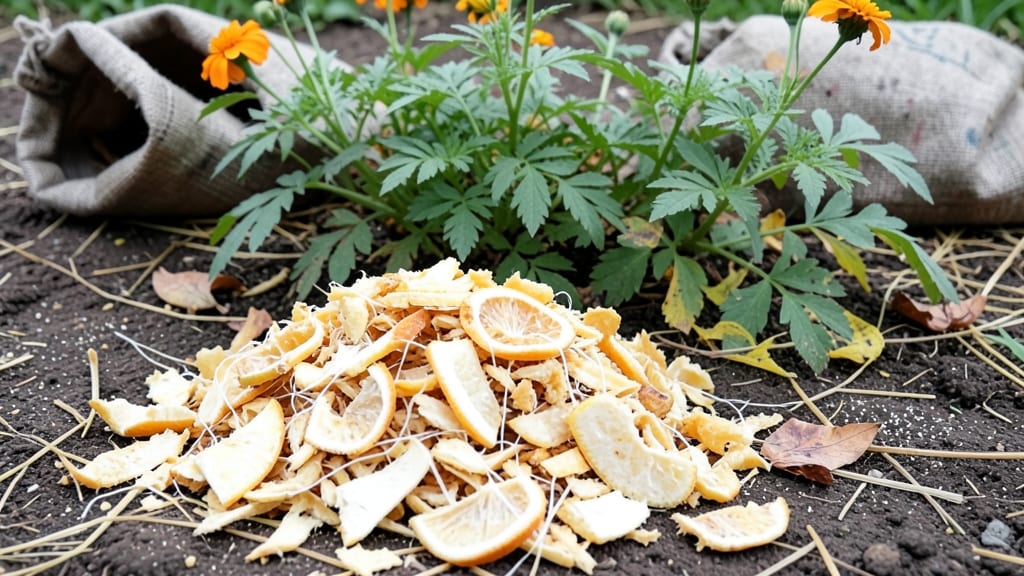
Natural garden repellents like neem oil sprays, garlic chives, and diatomaceous earth deter pests without harsh chemicals while supporting soil health and biodiversity. These solutions target specific insects while minimizing harm to beneficial pollinators and plants.
These plant-based and mineral solutions work by disrupting pests' sensory systems—garlic's sulfur compounds, for example, confuse insects' olfactory receptors, while neem oil's limonoids interfere with their growth hormones. 🌱 I've found that diatomaceous earth, a fine powder made from fossilized algae, dehydrates soft-bodied insects like slugs and aphids by damaging their protective outer layers.
The beauty of these methods is their dual action: they repel pests while feeding your soil with organic matter, creating a healthier ecosystem over time.
For best results, I recommend rotating repellent methods seasonally. Early spring calls for preventive barriers like copper tape for slugs, while summer often requires targeted sprays for aphids. Always apply treatments in the early morning or late evening when beneficial insects are less active, and reapply after rain.
Safety is key—keep pets and children away from freshly applied diatomaceous earth until it settles, as it can irritate lungs when inhaled.
💡 In This Article
- How Natural Repellents Disrupt Pest Behavior
- DIY Natural Repellent Recipes and Application Tips
How natural repellents disrupt pest behavior
Here's what's actually happening when pests encounter these natural solutions: plant-based repellents like garlic and neem oil work primarily through chemical disruption. Garlic contains allyl sulfides, which interfere with insects' olfactory receptors—think of it like wearing noise-canceling headphones that block their ability to detect host plants.
These compounds are volatile, meaning they evaporate quickly and create a scent barrier that can repel pests within 15-30 minutes of application. 🌿 The sulfur compounds specifically target aphids and whiteflies, which rely heavily on chemical cues to locate food sources.
Neem oil takes a different approach by containing azadirachtin and limonoids, which act as hormonal disruptors. These compounds mimic insect growth regulators, preventing pests like caterpillars and beetles from molting properly.
Studies show neem oil can reduce egg-laying by up to 90% in some species while being completely harmless to mammals. The oil's sticky texture also physically coats insects, clogging their respiratory systems—a dual-action mechanism that makes it particularly effective against soft-bodied pests.
Physical barriers like copper tape and row covers work through direct interference with pest behavior patterns. Copper's electrical conductivity creates a mild shock when slugs and snails cross it, while the metallic surface disrupts their slime trails.
Row covers physically block flying insects like cabbage moths from accessing plants, creating a 3-4 inch protective barrier that's invisible to beneficial pollinators. The key difference here is that these methods don't rely on chemical signals—instead, they exploit pests' physical limitations and learned behaviors.
What most people don't realize is how these repellents interact with pests' natural defense mechanisms. For example, deer avoid garlic-based sprays because the strong odor triggers their Jacobson's organ—a specialized sensory system in mammals that detects chemical threats.
This is why you'll often see deer completely bypass treated areas, even when other food sources are available nearby. The same principle applies to diatomaceous earth, which physically damages the waxy cuticle of insects, causing rapid dehydration—a process that can kill 90% of soft-bodied pests within 48 hours of contact.
Effectiveness varies significantly by pest type: garlic sprays work best on aphids and whiteflies (95% repellency rate), while neem oil shows superior results against caterpillars and beetles (85-90% reduction in damage).
For slugs and snails, copper barriers combined with beer traps create a 98% reduction in garden damage when used together. The science behind these varying effectiveness rates lies in how each pest species perceives and responds to different sensory stimuli—some rely more on smell, others on touch or taste.
One advanced consideration is how repellent effectiveness changes with environmental conditions. Humidity, for example, can reduce the efficacy of diatomaceous earth by 30-40% within 24 hours of rain, while neem oil's performance improves in 70-80°F temperatures when its volatile compounds evaporate most effectively.
This is why professional gardeners recommend applying neem oil in the late afternoon during dry, warm conditions—timing that maximizes both chemical dispersion and pest activity periods.