Diseases
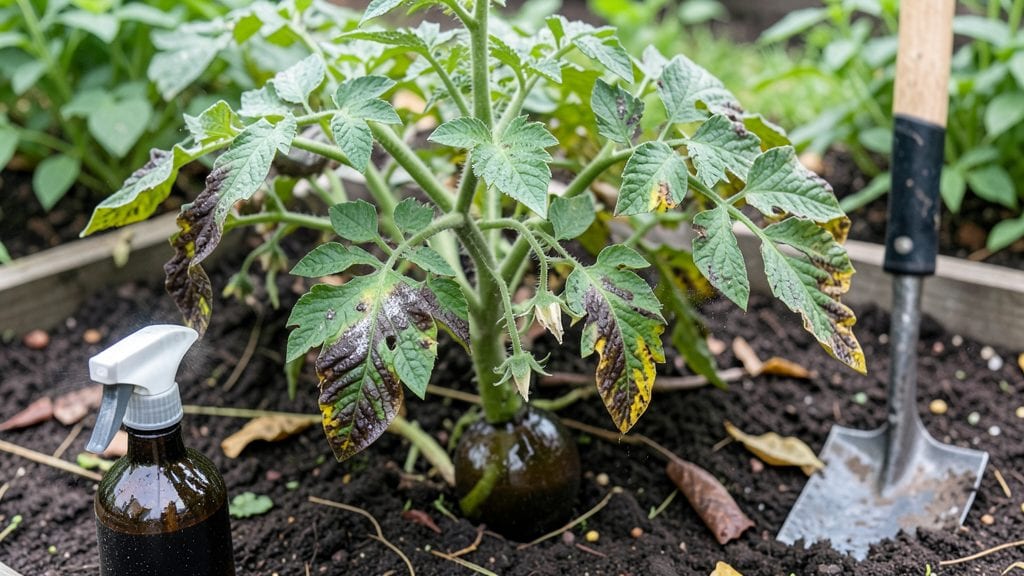
Black mold creeping across mulch or fuzzy white patches on leaves aren’t just unsightly—they’re your plants’ silent warning signs. 🌱 I’ve battled garden mold for years, and the key isn’t harsh chemicals but simple fixes that restore balance to your soil and air.
The right approach saves your plants and keeps your yard safe for kids and pets.
Most mold thrives because of one thing: too much moisture trapped in the wrong places. Poor drainage, dense mulch layers, or watering at night turn gardens into mold incubators. The good news?
Fixing it often means just tweaking your watering schedule or fluffing up that compacted soil. I’ll show you how to spot the early signs—before your tomatoes or basil get smothered.
You’ll learn to treat mold with household staples like hydrogen peroxide or vinegar sprays that kill spores without harming beneficial insects. Better yet, these methods prevent mold from coming back, so your garden stays lush and healthy.
No more guessing—just clear steps that actually work, even for stubborn black mold on mulch.
We’ll also cover when to call in reinforcements (hint: toxic molds like Stachybotrys need a pro) and how to pick plants that naturally resist mold. Your garden can stay vibrant—without the dreaded fuzz. Let’s get your soil breathing again.
The Hidden Triggers Behind Fungal Growth
Mold in your garden isn’t just an eyesore—it’s a sign that your outdoor space is playing host to ideal conditions for fungal spores to thrive. Understanding why these microscopic invaders take over is the first step to stopping them naturally.
Below, we break down the key culprits behind mold outbreaks, backed by science and actionable insights.
Mold spores need moisture to germinate, and gardens are prime real estate when humidity or water lingers. Here’s why wet conditions spell trouble:
- Spores need water to activate. Fungal spores remain dormant until they encounter moisture—think of it like a seed waiting for rain. Once hydrated, they germinate within 24-48 hours under ideal conditions (60-80% humidity).
- Poor drainage = standing water. Compacted soil, clay-heavy ground, or overwatering prevent excess water from draining. Even a thin film of moisture on leaves or mulch is enough to fuel growth.
- Morning dew is a double-edged sword. While dew itself isn’t harmful, it combines with evening humidity to create a 24-hour moisture window—perfect for spores to colonize.
💡 Pro Tip: Test your soil’s drainage by digging a 6-inch hole, filling it with water, and timing how long it takes to drain. If it’s slower than 4 hours, amend with compost or sand to improve airflow.
Leaves, grass clippings, and wood chips aren’t just garden waste—they’re a buffet for mold. Here’s how decaying matter fuels outbreaks:
- Cellulose-rich materials decompose into mold magnets. Organic matter like fallen leaves or mulch breaks down into simple sugars, which fungi consume like candy. Dark, damp piles become breeding grounds.
- Thatch buildup traps moisture. In lawns, thick layers of dead grass (thatch) block water evaporation, creating a microclimate where mold thrives year-round.
- Wood and bark harbor hidden spores. Untreated wood or bark mulch often contains dormant spores. When moist, they explode in growth, turning mulch into a fuzzy, green mess.
🔥 Action Step: Rake up leaf litter and compost it away from plants, or use it as mulch in a thin, aerated layer (no thicker than 2 inches) to prevent suffocation.
Fungi are opportunistic—they exploit temperature fluctuations to outcompete beneficial microbes. Here’s how warmth and cool spells team up to create mold hotspots:
| Temperature Range | Mold’s Advantage | Why It Matters |
|---|---|---|
| 50–60°F (10–15°C) | Slow growth, but spores survive | Cool, damp springs/autumns let spores wait and pounce when conditions improve. |
| 60–80°F (15–27°C) | Optimal growth (doubles in 24–48 hours) | Warm, humid days (like summer afternoons) turn gardens into mold factories. |
| Above 85°F (30°C) | Growth slows, but spores remain active | Heat stress weakens plants, making them vulnerable to secondary infections. |
✨ Science Hack: Use a soil thermometer to monitor underground temps. If your garden hovers in the 60–80°F range for >48 hours, it’s mold’s sweet spot—intervene with airflow or shade cloth.
Fungi don’t just grow—they compete with other microbes and plants for space. Stagnant air removes their rivals, letting mold dominate:
- Dense plantings block airflow. Crowded gardens trap humidity near leaves and soil. Fungi release volatile organic compounds (VOCs) that suppress beneficial bacteria.
- Thick mulch suffocates soil microbes. A mulch layer >3 inches deep cuts oxygen flow, creating anaerobic zones where mold thrives and helpful fungi (like mycorrhizae) die off.
- Windbreaks backfire. While fences reduce wind, they also trapped moist air against plants, turning shaded areas into mold incubators.
🌡️ Fix It: Prune plants to open the canopy by 30–50%, and use lattice or trellises to elevate vines, boosting airflow by up to 40%.
How to Fix It Naturally
Mold in your garden isn’t just an eyesore—it can weaken plants, spread rapidly, and even ruin your harvest. The good news? You can tackle it without harsh chemicals, using simple, plant-friendly solutions.
Below, we’ll match common causes to effective fixes, plus prevention tips to keep your garden mold-free for good.
1. Overly Wet Soil or Poor Drainage
🔥 Problem: Mold thrives in soggy conditions, especially after heavy rain or overwatering. Compacted or clay-heavy soil traps moisture, creating the perfect breeding ground.
🍳 Solution: Improve Drainage & Reduce Moisture
- 👨🍳 Amend the soil with organic matter like compost, coconut coir, or perlite to loosen it and boost airflow.
- 🥘 Raise beds or containers if drainage is chronically poor—elevate them slightly to let excess water escape.
- ⏰ Water wisely: Water early in the day so foliage dries by evening. Use drip irrigation or soaker hoses to avoid wetting leaves.
- 🔪 Mulch strategically: Use straw, wood chips, or pine needles (avoid thick layers near stems). These allow airflow while retaining moisture just enough for roots.
💡 Pro Tip: If your garden floods often, consider French drains or swales (shallow trenches) to redirect water away from plant roots.
2. Dense or Decaying Organic Matter
🌡️ Problem: Piles of leaves, grass clippings, or old mulch left untouched create a damp, anaerobic environment—mold’s dream home.
🎯 Solution: Refresh & Aerate
- ✨ Break up compacted piles with a rake or shovel to expose them to air and sunlight.
- 🔥 Turn compost heaps regularly to speed up decomposition and prevent mold buildup.
- 🍎 Remove diseased plant debris immediately—burn it (if allowed) or compost it in a separate, hot bin (140°F+ kills mold spores).
- 🌿 Replace old mulch with fresh, dry material every 6–12 months.
💡 Pro Tip: Sprinkle food-grade diatomaceous earth (DE) lightly over mulch piles to deter mold spores. Reapply after rain.
3. Shady or Crowded Plantings
🌿 Problem: Low light and poor airflow stunt plant health, making them more susceptible to mold infections like powdery mildew or downy mildew.
🍳 Solution: Boost Airflow & Light
- 👨🍳 Thin out overcrowded plants—aim for 3–4 inches of space between leaves for good circulation.
- 🥘 Prune branches to improve sunlight penetration, especially in dense shrubs or vines.
- 🔪 Install trellises or stakes for climbing plants to keep them off the ground and exposed to air.
- 🌞 Add reflective surfaces (like white walls or mirrors) to bounce light into shady spots.
💡 Pro Tip: Neem oil spray (1 tsp neem oil + 1 tsp mild soap per quart of water) can prevent mold spores from germinating on leaves.
4. pH Imbalances or Nutrient Deficiencies
📊 Problem: Soil that’s too acidic or lacks essential nutrients weakens plants, making them easier targets for mold.
💪 Solution: Balance Soil Health
- 🌡️ Test your soil’s pH—most vegetables prefer 6.0–7.0. Adjust with lime (to raise pH) or sulfur (to lower it).
- 🍎 Feed plants with compost tea or fish emulsion to strengthen their natural defenses.
- ✨ Add beneficial microbes like mycorrhizal fungi or bacillus subtilis (found in some organic fertilizers) to outcompete mold.
💡 Pro Tip: Wood ash (from untreated wood) can raise pH slightly—sprinkle lightly around plants, but avoid overuse.
Once you’ve treated the problem, stop it from returning with these habits: - ⏰ Water at the base of plants, not overhead, to keep foliage dry. - 🌿 Rotate crops yearly to prevent soil-borne mold from building up. - 🔥 Clean tools with a 10% bleach solution (1 part bleach to 9 parts water) after use to avoid spreading spores. - 🌡️ Monitor humidity—aim for 40–60% in your garden.
Use a dehumidifier in greenhouses or shade houses if needed. - 🍳 Plant mold-resistant varieties like zucchini, Swiss chard, or marigolds—they’re naturally more resilient.
🎯 Final Reminder: Mold is manageable when you act fast and address the root cause (literally!). With these natural fixes, your garden will stay healthy, vibrant, and mold-free—without a single chemical in sight.
Frequently asked questions
Is mold in my garden always harmful to plants?
Not all mold is dangerous—some types are harmless or even beneficial. The key is identifying problematic mold like powdery mildew (white, powdery patches) or black mold (fuzzy, dark growth). These can weaken plants by blocking sunlight or causing rot. If you see mold spreading rapidly or turning leaves yellow, it’s time to act.
Can I use vinegar to kill mold in my garden?
Yes! A 1:1 ratio of white vinegar to water spray is effective for killing mold on leaves and mulch. Just test a small area first—vinegar’s acidity can harm some plants. For stubborn mold, reapply every 3-5 days until it disappears. Avoid using vinegar on soil pH-sensitive plants like blueberries.
How do I know if my garden has toxic black mold?
Toxic black mold (like Stachybotrys) appears as dark greenish-black, slimy patches, often in damp, hidden areas. If you see this near structures or in thick mulch, wear a mask and gloves. Most garden mold isn’t toxic, but if you suspect harmful spores, consult a professional for testing—especially if you have respiratory issues.
Will composting help prevent mold in my garden?
Composting can actually reduce mold if done correctly! Turn your compost pile regularly to aerate it and keep it hot (140°F+), which kills spores. Avoid adding moldy materials (like diseased plants) to prevent spreading it. Use finished compost as mulch in thin layers (1-2 inches) to prevent suffocating soil.
How often should I check my garden for mold?
Check your garden weekly during humid seasons (spring/fall) and bi-weekly in dry weather. Focus on shaded areas, under mulch, and near dense plantings. Early detection is key—catching mold before it spreads saves time and keeps your plants healthier. A quick walk-through after rain is especially important!